Sep 15, 2026Buying Guides
Women's Shoe Sample vs Bulk Production: 10 Controls That Protect Consistency
Use these 10 controls to keep women's heels, flats and loafers consistent from approved sample to bulk footwear production.
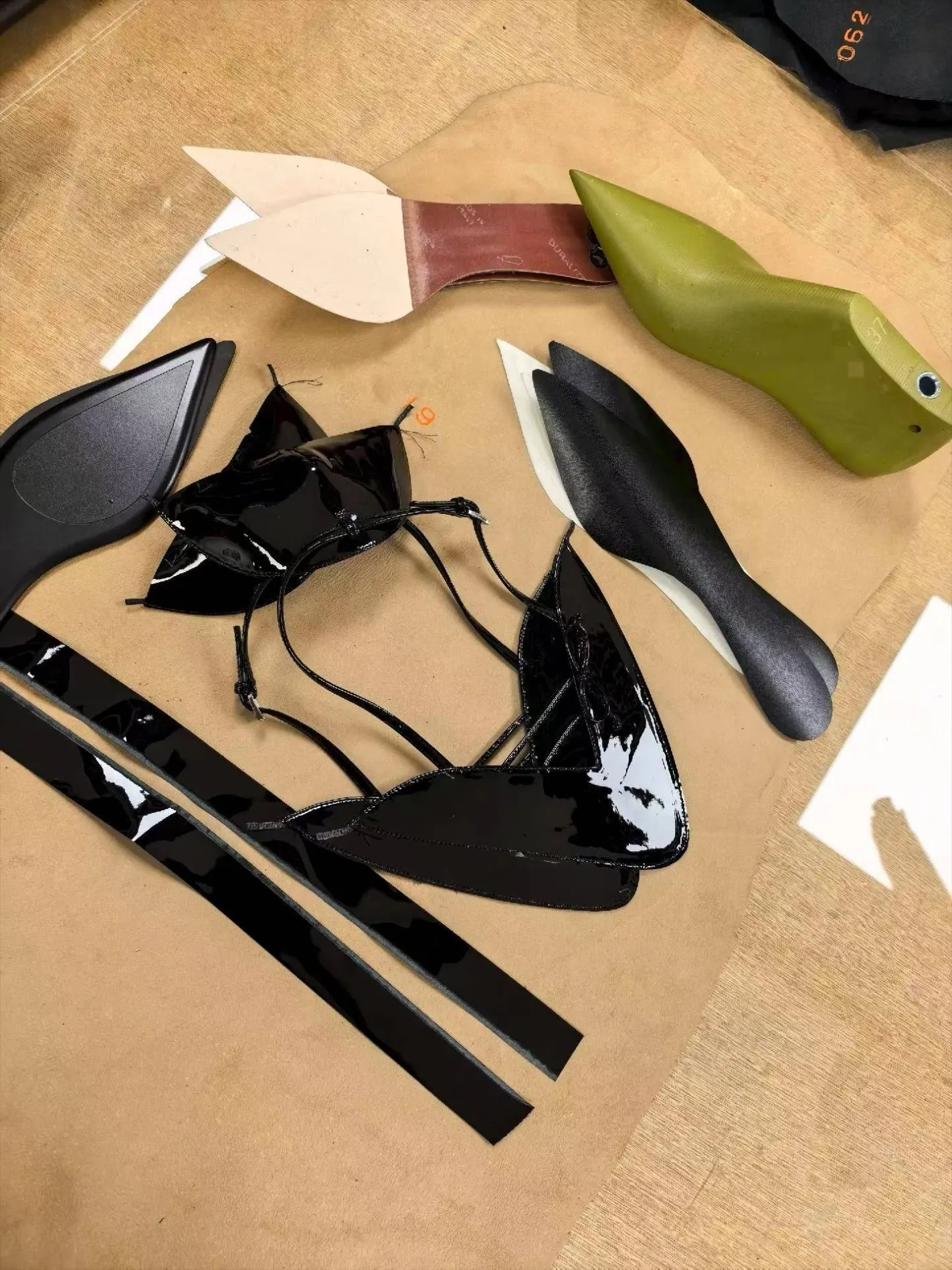
Approving a good sample does not automatically guarantee that every pair in bulk production will match it. Consistency depends on converting the approved sample into measurable production standards.
1. Keep a sealed approval sample
The final approved sample should be clearly identified and retained as the physical reference. Photographs alone cannot reliably communicate material feel, colour, shape and workmanship.
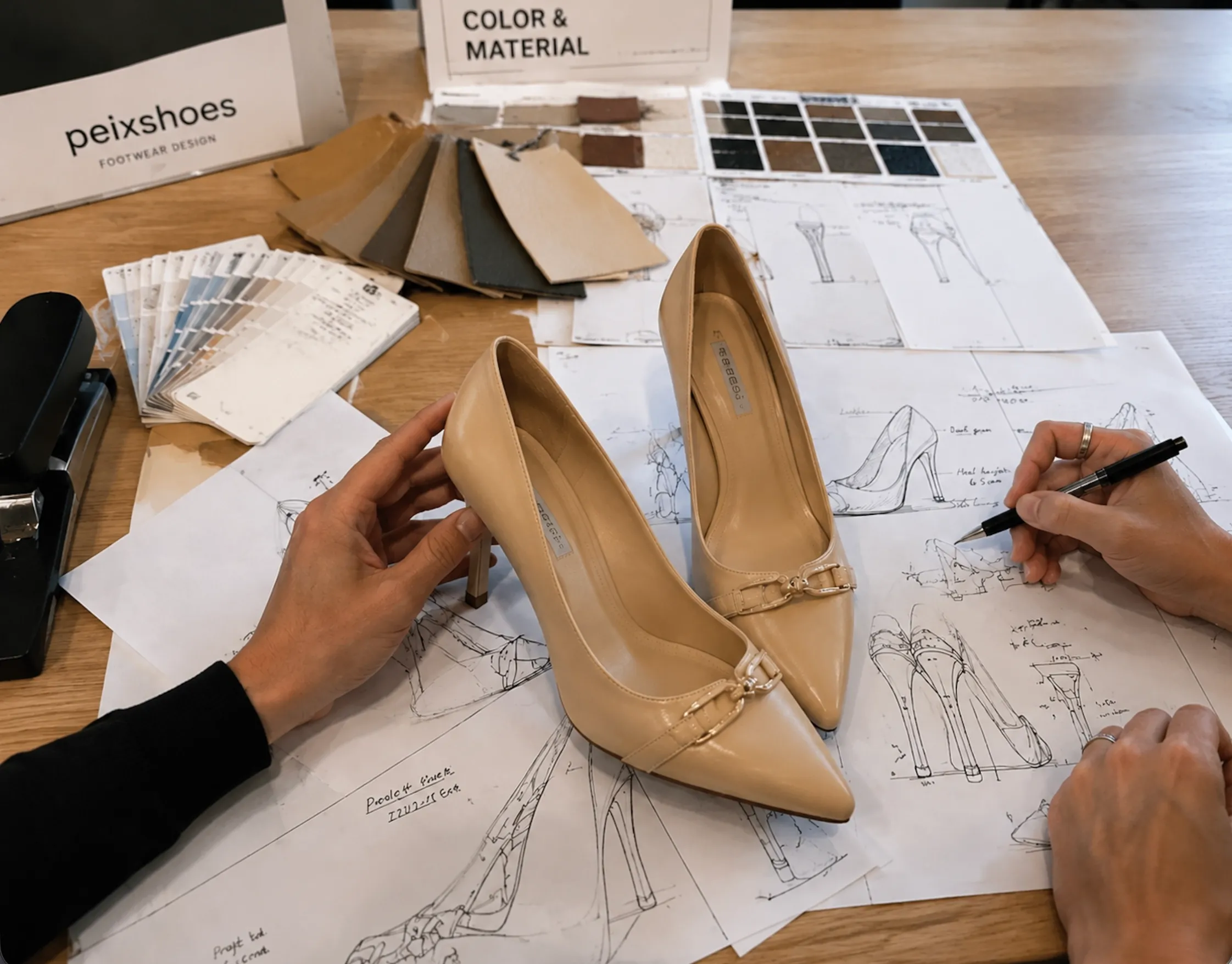
2. Create a complete specification sheet
Record the materials, colours, dimensions, components, construction method, logo placement and packaging requirements. Every approved revision should be reflected in the final document.
3. Confirm material colour under controlled light
Material colours can appear different under factory lighting, daylight and retail lighting. Colour standards should be approved before bulk material cutting.
4. Check material thickness and backing
Two materials may look similar but behave differently during lasting and wear. Confirm thickness, backing, stretch and surface finish.
5. Control the last and fitting reference
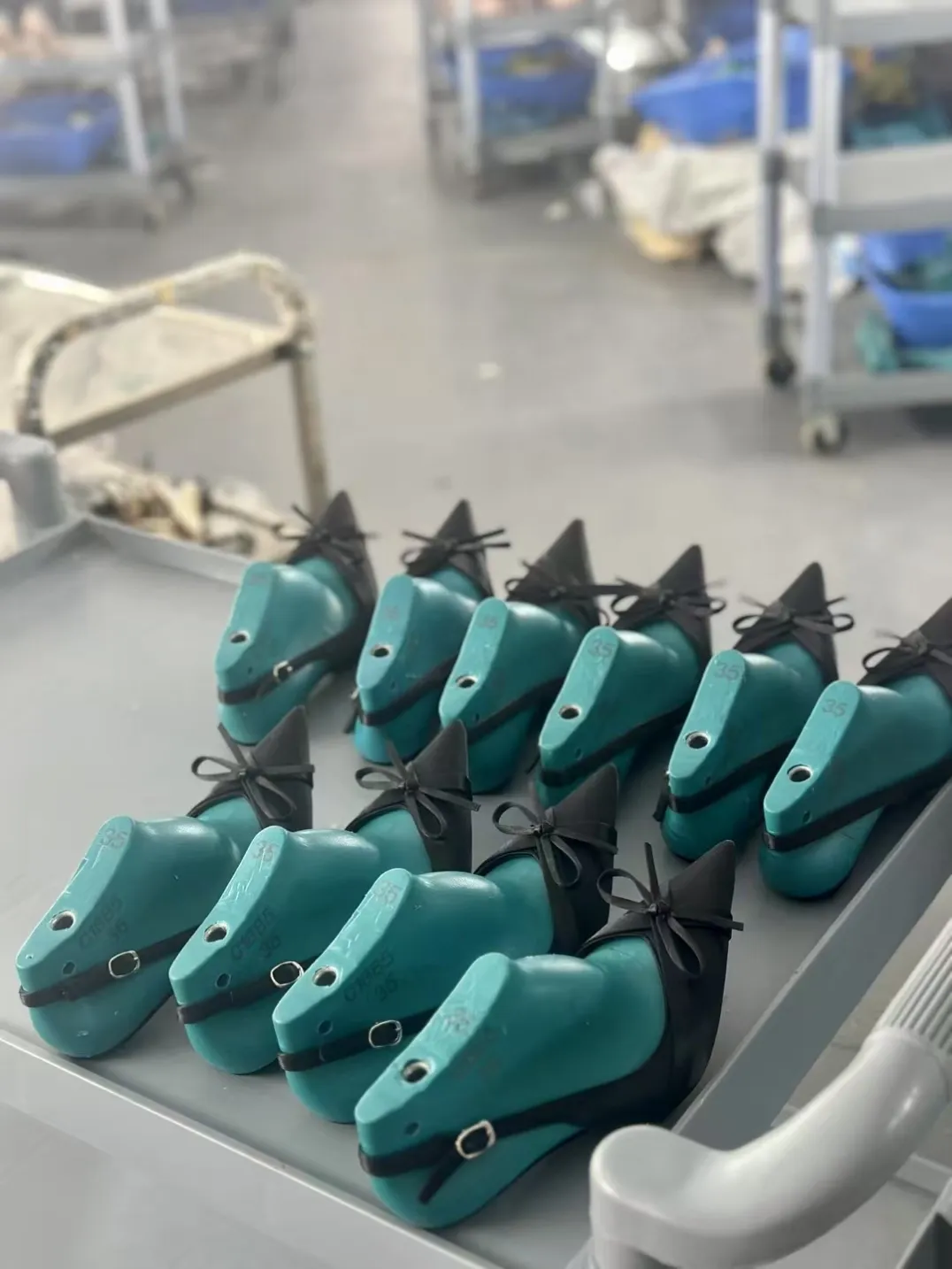
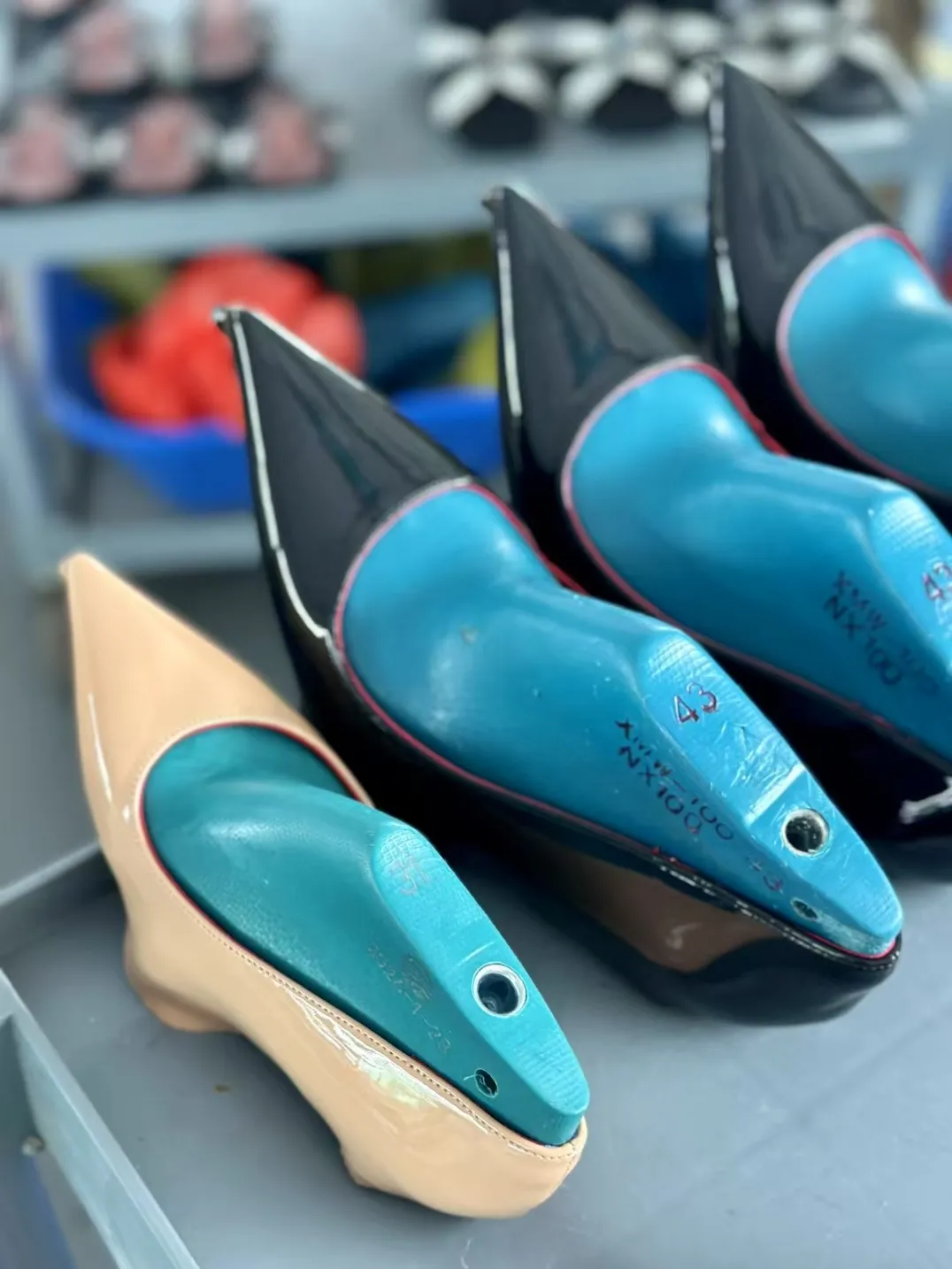
Fit is influenced by the last, pattern, material and construction. Confirm the correct last code and approved fitting measurements before production. Private lasts can be developed when a brand requires its own fit or shape, with separate last and mould fees.
6. Measure heel position and stability
For heels and high-heel sandals, heel height alone is not enough. Production checks should include heel position, attachment, balance and contact with the ground.
7. Approve hardware and logo placement
Buckles, ornaments and logos should be checked for colour, finish, dimensions, position and attachment. Small placement differences can noticeably change the appearance of a women’s shoe.
8. Define workmanship tolerances
Agree on acceptable limits for stitching, adhesive marks, edge finishing, symmetry, outsole alignment and surface condition. “Same as sample” is useful, but measurable checkpoints are stronger.
9. Inspect packaging configuration
Confirm the shoe box, tissue, labels, size marks, barcode position, pair arrangement and carton assortment. Custom logos, boxes and packaging at Peix Shoes require 160 pairs per colour.
10. Arrange final inspection before delivery
The buyer or an appointed third party should be able to inspect the finished order before delivery. Inspection scope can include quantity, assortment, appearance, measurements, workmanship and packaging.
Peix Shoes accepts customer or third-party inspection. Payment terms are 60% deposit, with the balance paid before delivery.
What should buyers approve before production?
Buyers should approve the final physical sample, material and colour standards, fitting measurements, heel and outsole components, logo artwork, packaging layout, size breakdown and inspection criteria.
A disciplined approval process protects both buyer and supplier. It reduces subjective disputes and gives the production team one clear standard to follow.
See our women’s footwear range at https://peixshoes.com/products, review the sampling workflow at https://peixshoes.com/custom-development, or discuss inspection requirements at https://peixshoes.com/contact-us.