Sep 15, 2026Buying Guides
Women's Footwear Payment Terms: How Buyers Can Reduce Risk Before Delivery
Understand deposits, balance payments, samples, inspections and documentation when sourcing private-label women's footwear.
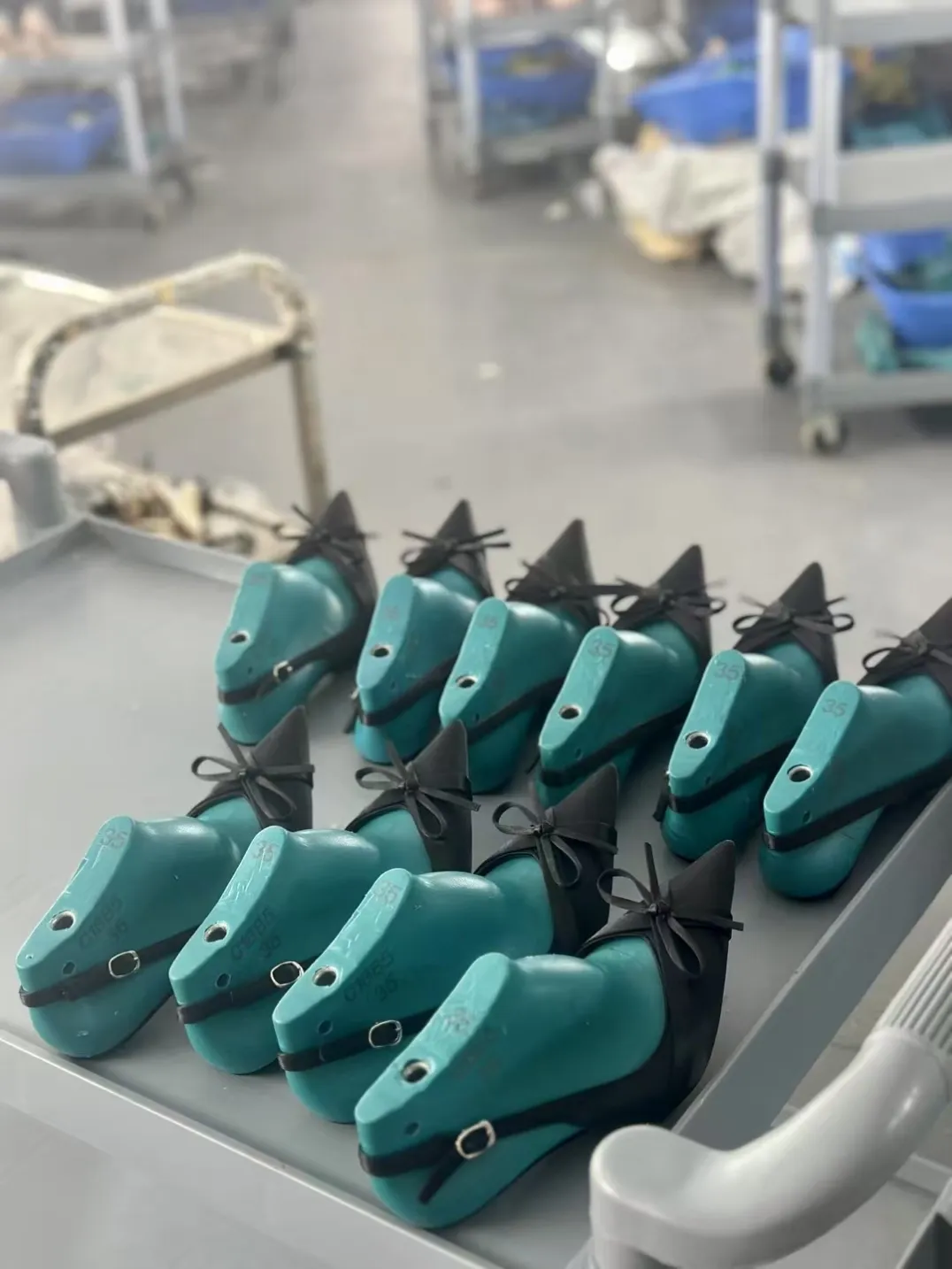
Payment terms are only one part of sourcing risk. Buyers should connect each payment milestone to clear product specifications, approvals, inspection rights and delivery documents.
Why do footwear suppliers request a deposit?
Bulk footwear production requires materials, components, labour and production capacity to be arranged before the order is complete. A deposit allows the supplier to begin purchasing and production. Before paying, the buyer should confirm the commercial and technical basis of the order.
What should be agreed before the deposit?
The purchase agreement should identify:
- Buyer and supplier
- Product and style numbers
- Quantity by colour and size
- Unit price and currency
- Materials and components
- Branding and packaging
- Sample approval status
- Production timeline
- Inspection arrangement
- Delivery terms
- Deposit and balance schedule
Reference images are helpful, but they should not replace written specifications.
How should sample fees be handled?
Buyers should ask whether the fee covers one sample, one colour or one development stage, and whether shipping is included. At Peix Shoes, the sample fee is US$100. It can be refunded or credited after a bulk order. A first sample normally takes about 10 days when the complete design brief is supplied.
Repeated design changes during sampling may affect timing and development work, so buyers should consolidate feedback before requesting a revision.
What are the Peix Shoes bulk payment terms?
The payment terms are 60% deposit and balance paid before delivery. These terms should be evaluated together with the buyer’s right to review the approved sample, receive order information and arrange inspection.
Why is inspection important before balance payment?
A final inspection provides evidence about the finished order before delivery. Depending on the agreed scope, it may check finished quantity, size and colour assortment, workmanship, measurements, appearance, symmetry, logo application, packaging and carton marks.
Peix Shoes accepts inspection by the customer or an appointed third party. Inspection does not replace a complete product specification. Inspectors need defined standards to determine whether the order matches what was approved.
How can buyers reduce payment risk?
Verify the quotation scope
Confirm whether the price includes samples, moulds, lasts, custom packaging, testing, inland transport or shipping.
Approve one final specification
Keep the purchase order, specification sheet and approved sample aligned. Avoid approvals scattered across unrelated messages.
Link payment to milestones
Each payment should correspond to an agreed stage, such as order confirmation, sample approval, production completion or pre-delivery inspection.
Protect confidential designs
If the project includes original designs or exclusive tooling, define confidentiality and permitted use in writing. Peix Shoes can agree to confidentiality or sign an NDA.
Keep a document trail
Retain the quotation, purchase order, payment records, approval messages, inspection report and delivery documents. Clear records make repeat orders more efficient and reduce misunderstandings.
Browse the Peix Shoes product range at https://peixshoes.com/products, understand the custom-development process at https://peixshoes.com/custom-development, or send an inquiry at https://peixshoes.com/contact-us.