Women's Shoe Lining and Insole Selection: What Private-Label Buyers Should Check
A buyer guide to lining comfort, colour transfer, seam placement, insole foam, compression, fit space, component MOQ and bulk consistency.
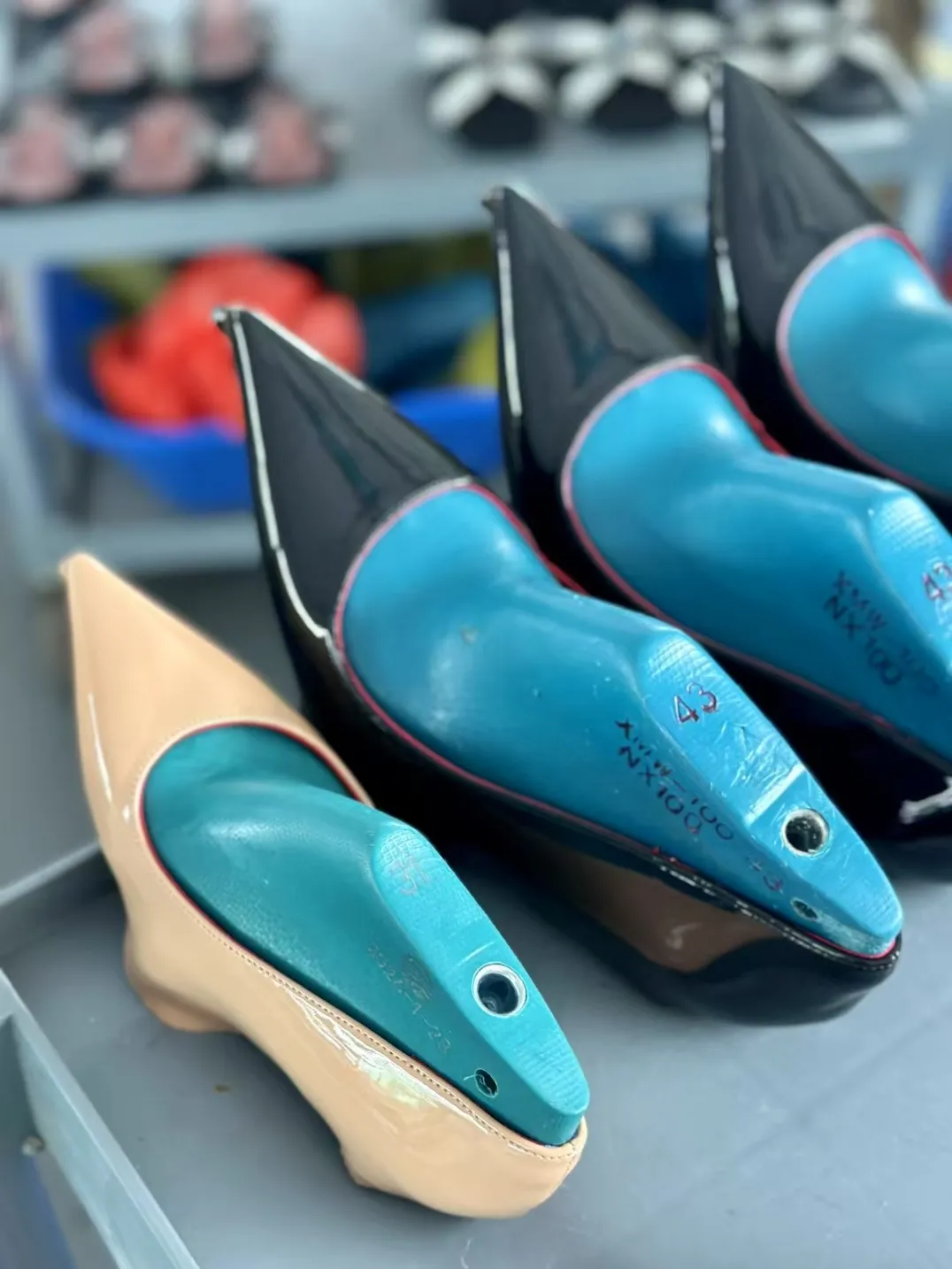
A lining or insole choice should never be approved only by colour or a material name. For private-label women's footwear, these hidden components influence next-to-skin comfort, internal fit, heat, odour, colour transfer and the way the shoe feels after repeated wear. Buyers should approve the complete construction, measurable specifications and finished sample before bulk production.
Why lining and insole choices matter
The lining covers the inside surfaces that contact the foot. The insole system sits under the foot and may include a sockliner, foam, board and support components. Together they influence usable internal volume, pressure points, moisture management, stability and perceived quality. A small change in foam thickness or seam placement can make an approved last feel tighter even when the outsole and upper remain unchanged.
Start with the wearer and use case
Define the target wearer, expected wearing time, climate, retail price and intended occasion before requesting a material. A high-heel sandal worn for events has different contact zones from a daily loafer. A warm-climate flat may need particular attention to heat and moisture, while a closed pump may need careful control of seams and edge finishing.
What buyers should check in shoe linings
- Surface feel: inspect the lining dry and after realistic wear because a smooth hand feel alone does not predict long-term comfort.
- Seam placement: check whether seams, folded edges or overlaps sit over sensitive contact points.
- Colour transfer: evaluate the complete shoe under relevant moisture and rubbing conditions, especially with dark or saturated colours.
- Breathability and moisture behaviour: review the material in relation to the whole construction rather than relying on a generic description.
- Stretch and recovery: excessive stretch can change hold; insufficient give can create pressure.
- Edge and adhesive control: confirm that there are no exposed hard edges, wrinkles or adhesive residue.
- Repeatability: record supplier reference, colour, thickness, finish and approved swatch for future orders.
Insole foam is a specification, not a promise
The phrase “memory foam” or “comfort foam” is not enough for approval. Ask for the foam type, thickness, density or other available reference, layer construction and placement. Then assess compression after use. A foam that feels soft during a short fitting can bottom out and reduce support, while an excessively thick package can reduce toe room and change heel hold.
Fit space must be checked on the finished shoe
Insole thickness affects the internal dimensions available to the foot. This is especially important in closed pumps, pointed flats and loafers, where small reductions in volume may create instep or toe pressure. For high-heel sandals, review whether cushioning increases forward slide or changes strap tension. Test the complete shoe in the intended sample size; do not approve the insole as a loose component only.
Different constructions need different attention
For pumps, focus on toe-box volume, heel hold, topline contact and lining seams. For high-heel sandals, inspect forefoot grip, strap contact and whether the sock surface becomes slippery. For flats, check flex location, edge pressure and whether cushioning remains even. For loafers, review instep fit, heel movement, lining durability at repeated contact areas and the balance between structure and flexibility.
Component MOQ and colour minimums
A low finished-shoe MOQ does not guarantee that every lining colour, foam specification or branded sock is available at the same quantity. Ask whether minimums apply by material, colour, thickness, logo method or production batch. Stock materials may reduce development cost, but buyers still need to confirm shade consistency and availability for repeat orders. Review relevant women's footwear directions on the products page.
Sample-to-bulk consistency controls
Record the approved lining reference, colour, thickness, grain or finish, seam construction, sock material, foam layers and logo position in the specification sheet. Keep an approved physical sample where practical. Before production, confirm any proposed substitute in writing and review its effect on fit, appearance and performance through the custom-development process.
Wear-test checklist before approval
- wear both shoes for a realistic period and note exact pressure locations;
- check heel movement, toe space, instep pressure and strap contact;
- inspect wrinkling, bunching, exposed edges and adhesive marks;
- review colour transfer under conditions relevant to the selling market;
- compare cushioning at first wear and after repeated compression;
- confirm that left and right shoes feel and look consistent;
- repeat critical checks across more than one size when grading may affect fit.
Bulk inspection points
Inspect lining colour and finish against the approved reference. Check wrinkles, cuts, contamination, seam placement, sock alignment, logo clarity, adhesive cleanliness and pair consistency. Where cushioning is specified, verify the agreed layer and placement rather than judging only from the top surface. Any substitution should be traceable to an approved change.
Vera's sourcing judgment
The highest-risk mistake is approving a lining and insole package separately from the finished fit. A softer or thicker component may sound like an upgrade, yet it can take away usable space, increase forward slide or hide weak support during a short fitting. Freeze the final internal package only after wear testing the complete shoe, then make that exact construction part of the bulk approval record.
Frequently asked questions
Is a thicker insole always more comfortable?
No. Thickness can reduce internal space or alter stability. Comfort depends on the last, support, flex, construction and intended wearer as a system.
Can one lining be used across heels, sandals, flats and loafers?
Sometimes, but contact zones, stretch, heat, seam position and visual requirements differ. Each construction should be tested as a complete shoe.
When should buyers request reapproval?
Request reapproval when the material supplier, colour, thickness, foam, seam construction, logo method or last-related fit changes, and whenever a repeat order shows an unexpected issue.
Discuss your women's shoe project
Send one reference style, target market, expected quantity and the main comfort or fit concern through the project inquiry form.