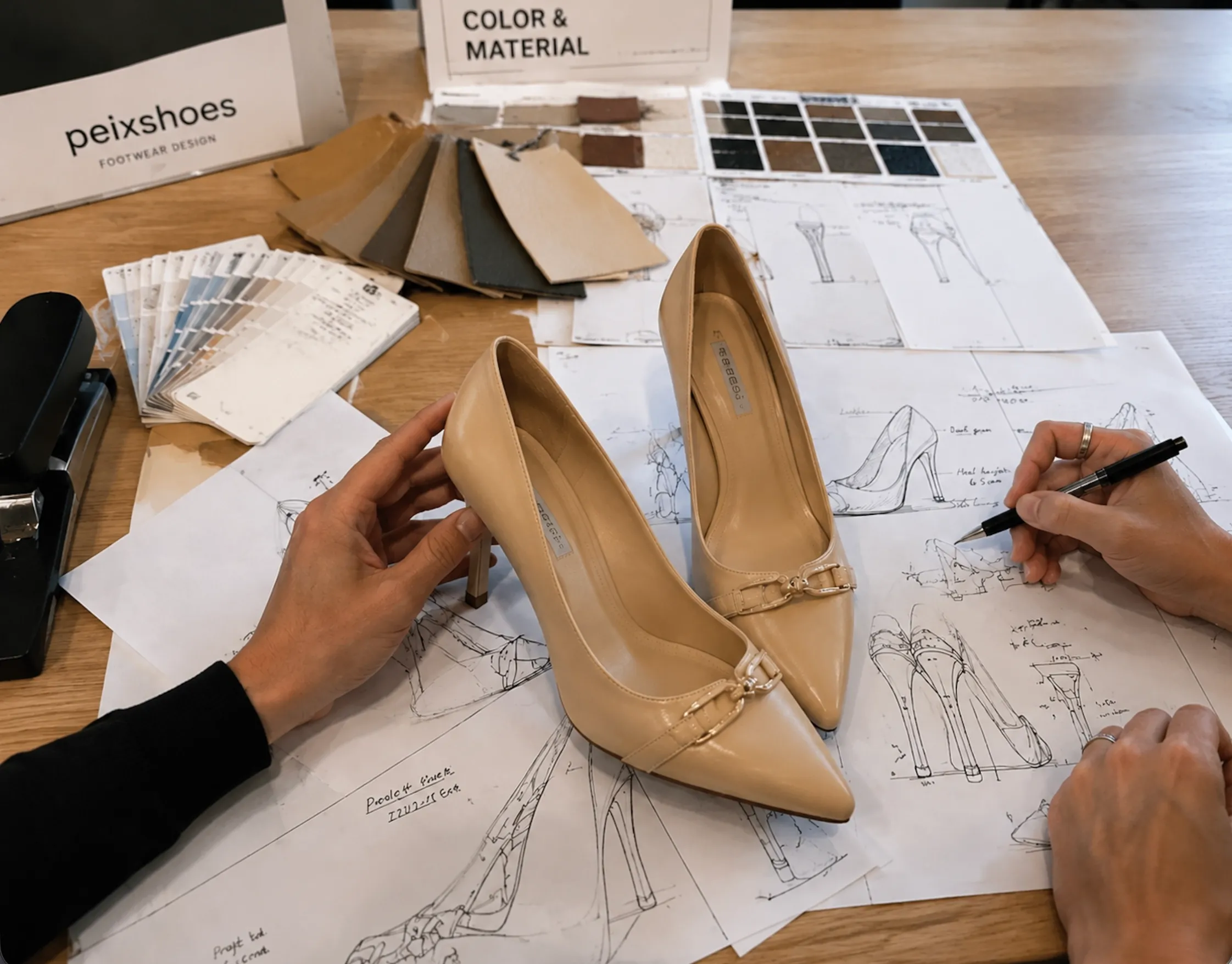
Women's Shoe Size Grading: What Buyers Should Approve Beyond the Base Size
A practical guide to reviewing women's shoe size grading, edge sizes, straps, components and fit before bulk production.
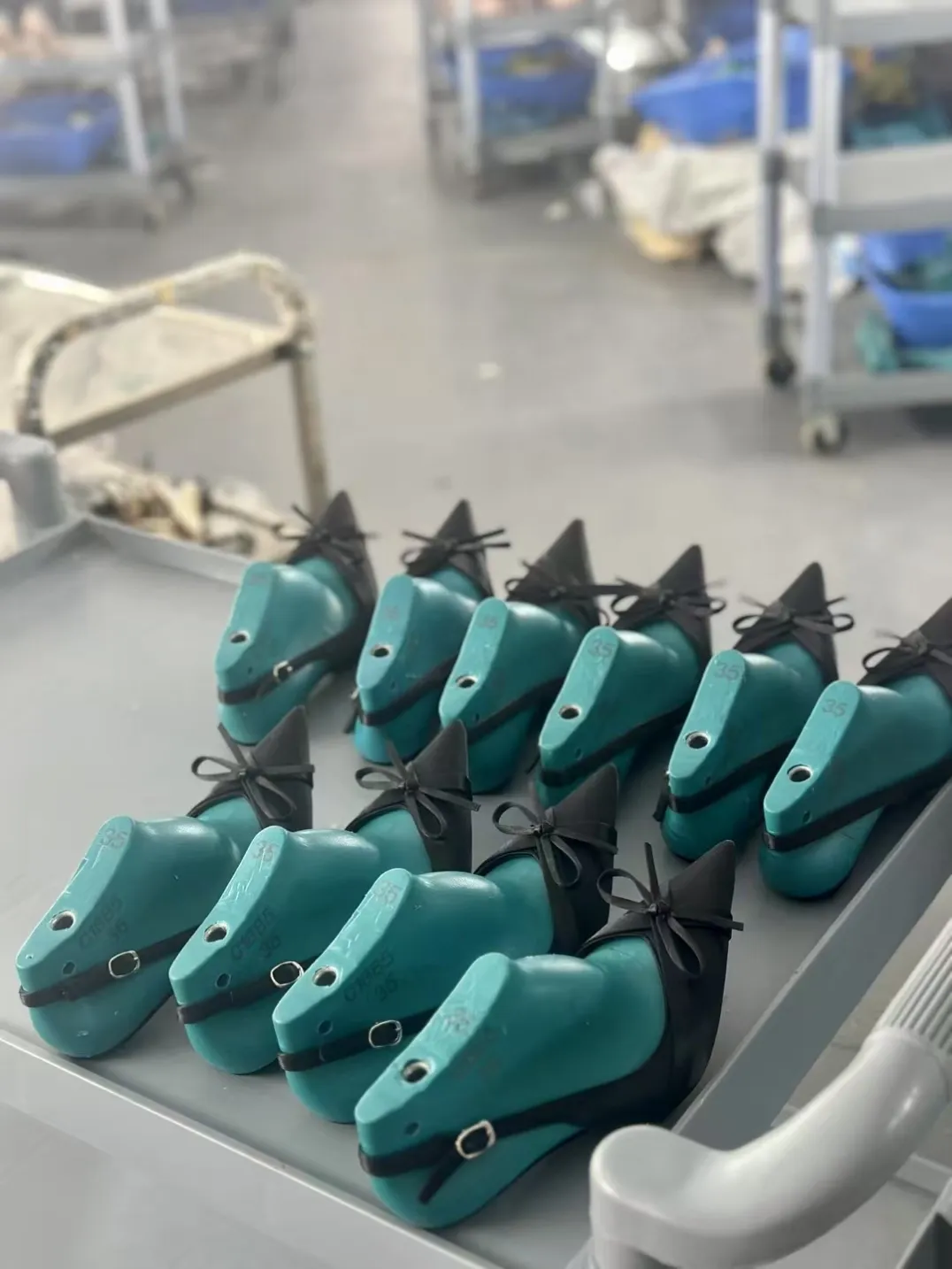
A good base-size sample does not guarantee that every size in a women's footwear range will fit or look correct. Size grading changes length and width, but it must also preserve strap position, topline shape, ornament balance and construction performance.
What is shoe size grading?
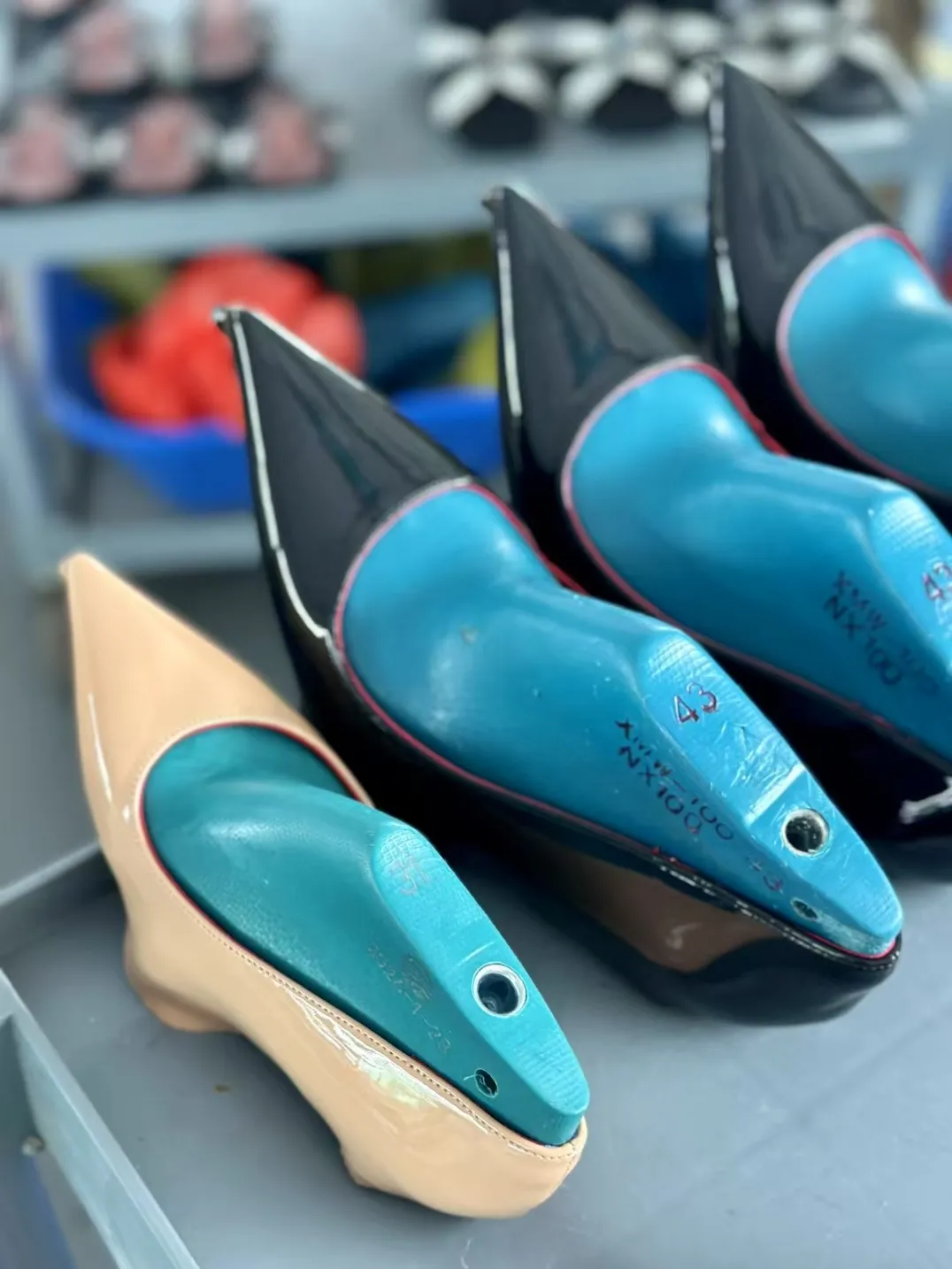
Grading is the controlled change from a base size to smaller and larger sizes. The last, patterns, outsole, heel and certain components may each follow different rules. Buyers should confirm which parts are graded and which remain fixed.
Why edge sizes carry more risk
The smallest and largest sizes accumulate grading changes. A decorative buckle that looks centred in the base size may appear misplaced at the edge. A fixed strap length may become too short or too loose. Toe shape and heel-seat proportions can also feel different.
Define the approved size range
State the market sizing system, labelled range, base size and conversion chart. Do not assume that an EU, US or UK label automatically matches another supplier's last. Connect the labels to actual finished-shoe measurements and the target customer.
Check critical measurements across sizes
- internal or last length;
- ball girth and forepart width;
- instep circumference;
- heel-seat and topline opening;
- strap length and hole position;
- insole and outsole dimensions;
- heel height and pitch where applicable.
Use the same measurement method on every checked size. Record allowable tolerances before production.
Review components that may not grade automatically
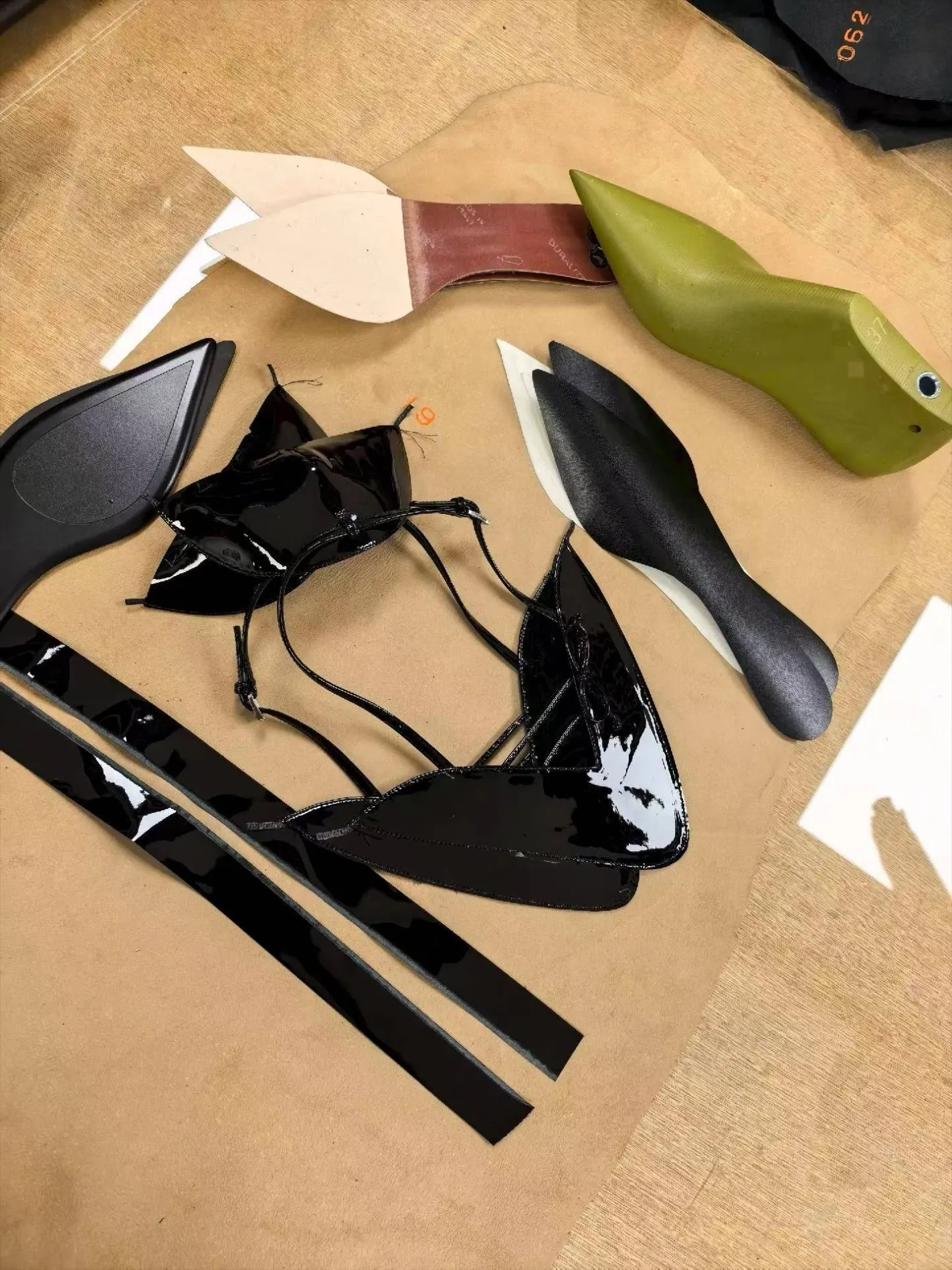
Buckles, ornaments, logos, toe caps and fixed-width straps may use one component across several sizes. Confirm whether this remains visually balanced and functionally suitable. If several component sizes are required, identify where the change occurs.
Test more than the base size
Review at least representative smaller and larger sizes for fit and appearance. Use suitable wearers rather than asking a base-size wearer to judge an edge size. Record foot measurements, sample version and observations.
For high-heel sandals, watch foot slide and strap position. For pumps, review heel hold and toe pressure. For flats, check topline contact. For loafers, assess instep hold and entry.
Check pair matching and symmetry
Grading approval also needs consistent left and right shoes. Compare shape, topline, strap position, heel placement and outsole alignment. A correct average measurement does not excuse a mismatched pair.
Confirm the production reference
The approval record should identify the final last series, patterns, materials, components and samples. If only one edge size was physically reviewed, state what remains to be controlled during production and inspection.
Inspect a range, not one convenient pair
Pre-shipment inspection should sample multiple sizes and cartons. Verify size marking, pair matching, critical measurements and packing quantities. Focus additional attention on sizes or components that showed risk during development.
Common grading warning signs
- strap holes do not cover the intended adjustment range;
- ornaments move too close to an edge;
- the topline gaps only in large sizes;
- small sizes become visibly bulky;
- heel height or pitch feels disproportionate;
- size labels and box labels do not match the pair.
Frequently asked questions
Is checking the base size enough for a first order?
No. The base size is essential, but representative edge-size checks reduce the risk of grading failures across the range.
Do all shoe components change with size?
No. Some components are shared across sizes. Buyers should verify both functional fit and visual balance when fixed components are used.
When should grading be rechecked?
Recheck when the last, materials, construction, heel, outsole or size range changes, and when return data shows a repeated size-specific problem.
Review your planned size range
Send your style reference, target market, labelled size range and fit requirements through the Peix Shoes project inquiry form.