Sep 15, 2026Buying Guides
Private Label vs White Label Women's Shoes: Which Model Fits Your Brand?
Compare private-label and white-label women's shoes by customization, MOQ, sampling, cost, speed and exclusivity before choosing a sourcing model.
A buyer choosing between private-label and white-label women’s shoes is deciding how much of the final product needs to be unique. The right model depends on launch speed, development budget, order quantity and the importance of exclusive design.
What are white-label women’s shoes?
White-label footwear usually begins with an existing style or established product platform. Buyers can select available colours and may add limited branding, such as an insole logo or customized packaging.
This approach can suit retailers testing a new category, wholesalers expanding an assortment or new brands validating market demand. Development is normally faster because the basic construction already exists. The limitation is differentiation: the silhouette or construction may also be available to other buyers unless exclusivity is agreed in writing.
What is private-label footwear?
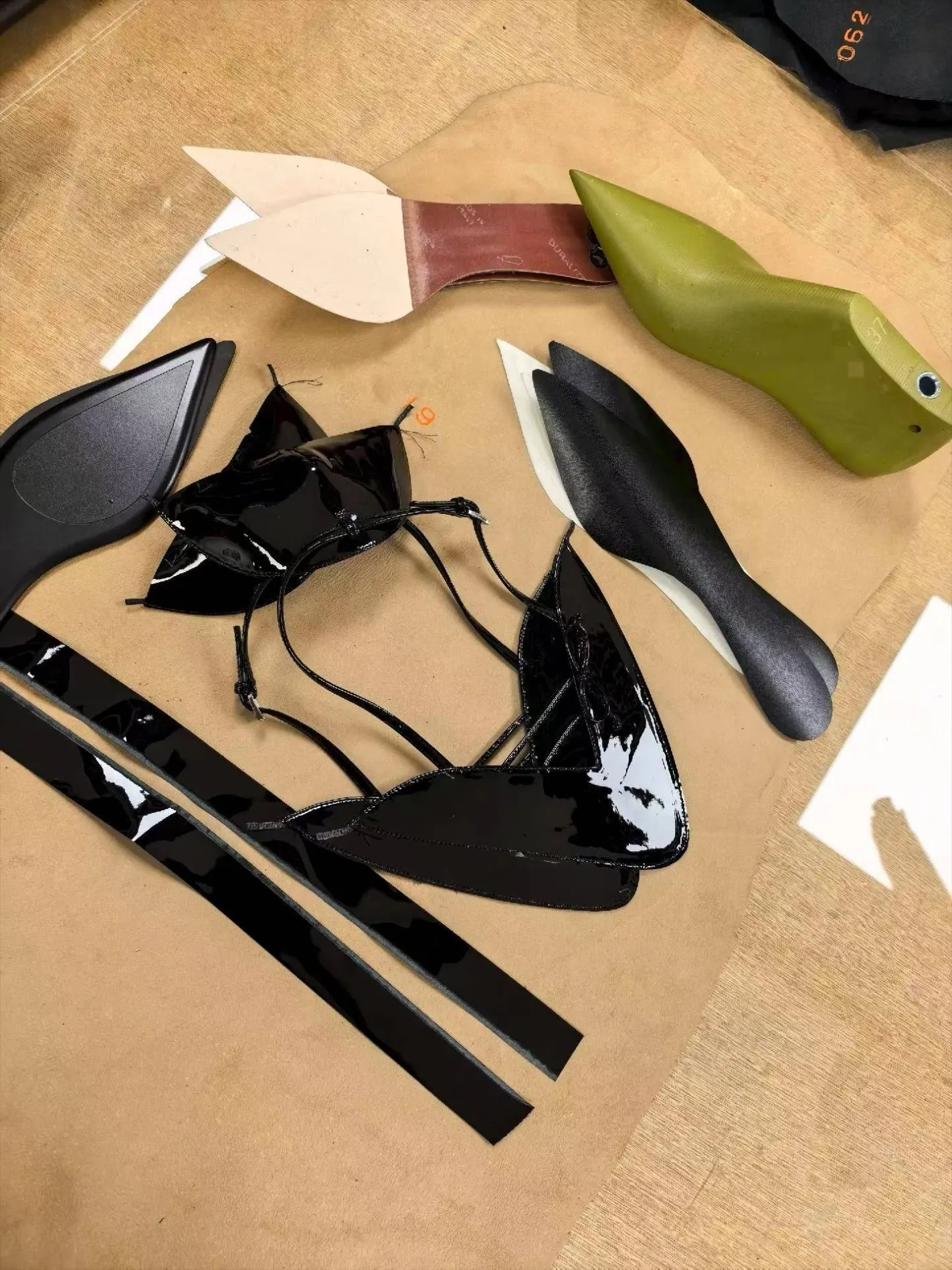
Private-label development provides greater control over the product. Depending on the project, buyers may customize upper patterns and materials, colours and finishes, heel and outsole components, fit and last shape, logo placement, labels, shoe boxes and packaging.
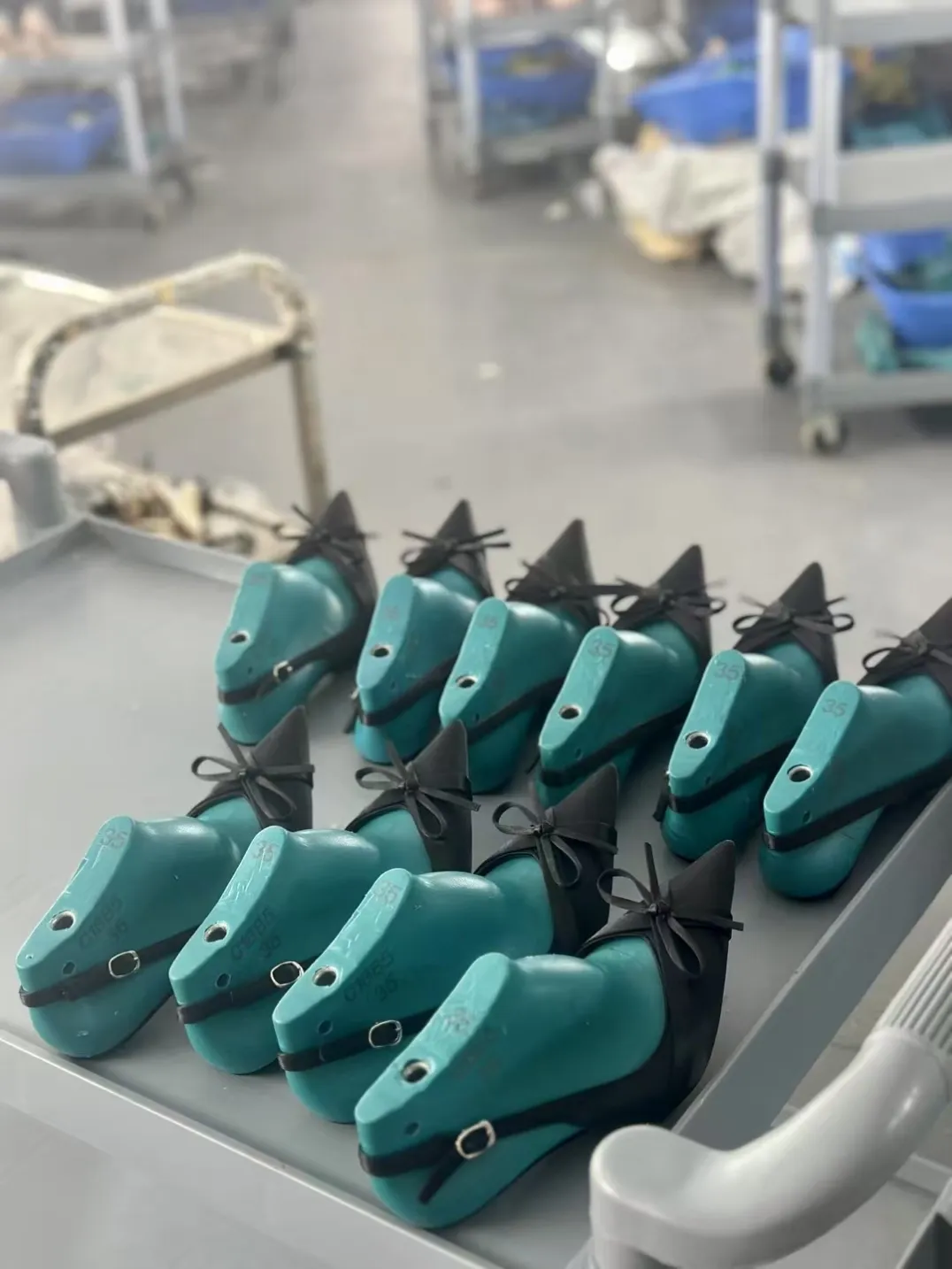
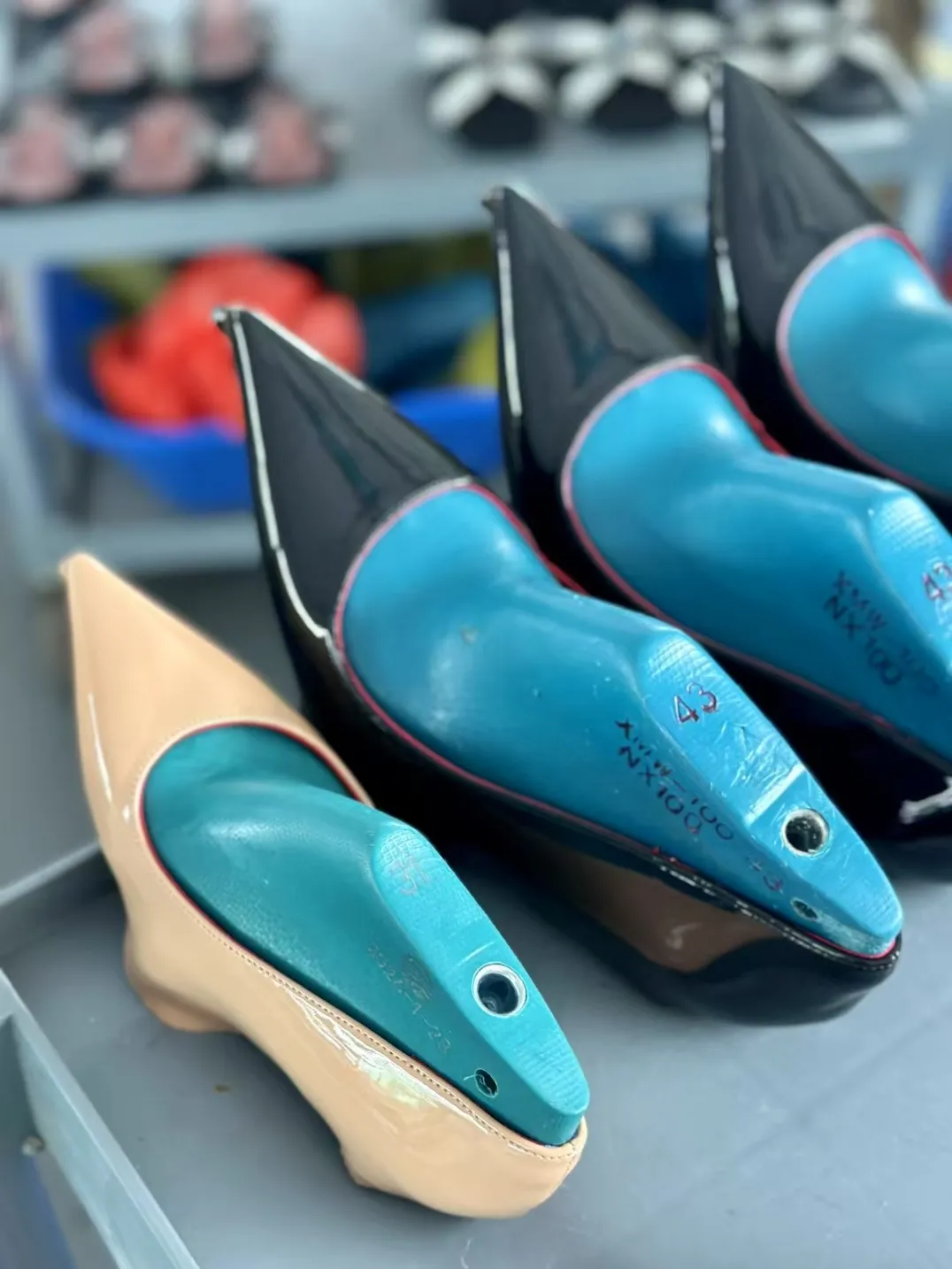
Private label is usually more suitable when fit, silhouette, material selection or signature details are central to the brand. Private lasts and moulds may also be developed, but buyers should budget separately for tooling.
How do the two models compare?
Development speed: White label is generally quicker. Private-label timing depends on the number of changes and whether tooling is required.
Sampling: Both models should be sampled whenever materials, colours, fit or branding change.
MOQ: Product MOQ and component MOQ are not always identical. At Peix Shoes, custom logos, shoe boxes and packaging require a minimum of 160 pairs per colour.
Cost: Private-label projects may include pattern, sample, last, mould or component development costs.
Exclusivity: Buyers should never assume that a design, last or mould is exclusive. Ownership, confidentiality and permitted use should be documented. Peix Shoes can sign an NDA when required.
Which option is better for a new brand?
Start with the features that customers will notice and value. If the first objective is to test price, colour and category demand, an existing product with controlled branding may be sufficient. If the brand depends on a distinctive toe shape, heel, width or visual identity, private-label development may be justified from the beginning.
Before deciding, ask:
- Which features make the product different?
- Which changes improve fit or comfort?
- Can the customized components support future styles?
- What is the MOQ for each colour?
- Are separate packaging or tooling minimums involved?
Peix Shoes supports women’s heels, high-heel sandals, flats and loafers for importers, wholesalers, retailers and brands.
Explore our women’s footwear categories at https://peixshoes.com/products, review the custom-development process at https://peixshoes.com/custom-development, or send your sourcing brief at https://peixshoes.com/contact-us.