Oct 5, 2026
Low MOQ Women's Shoes: What Buyers Should Confirm Before Ordering
A practical checklist for buyers comparing low MOQ women's shoe suppliers, including stock styles, custom development, sample fees, packaging minimums, lead times and inspection requirements.
Low MOQ Women's Shoes: What Buyers Should Confirm Before Ordering
Low MOQ can help a retailer or emerging brand test a women's footwear range without committing to a large first order. The phrase is useful only when the supplier explains exactly what the minimum applies to. Before comparing prices, confirm the ordering model, development steps and quality controls in writing.
- Confirm what the MOQ actually counts
Ask whether the minimum is calculated per design, colour, size run, material or total order. A supplier may quote a low total MOQ while requiring a higher minimum for each colour or size. Request a simple example showing how one style in two colours and five sizes would be counted. This prevents a low headline number from becoming a costly order structure.
- Separate stock styles from custom development
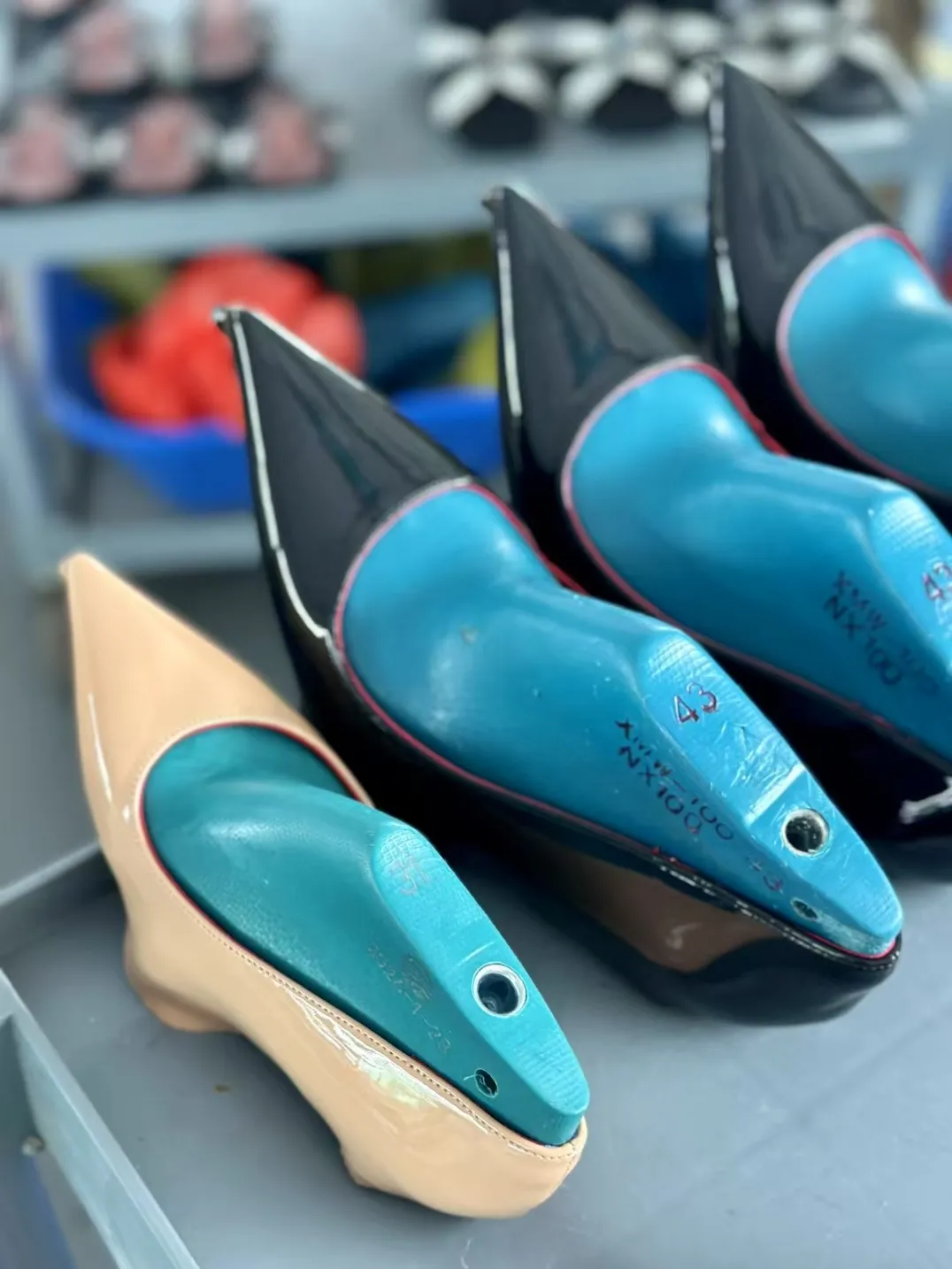
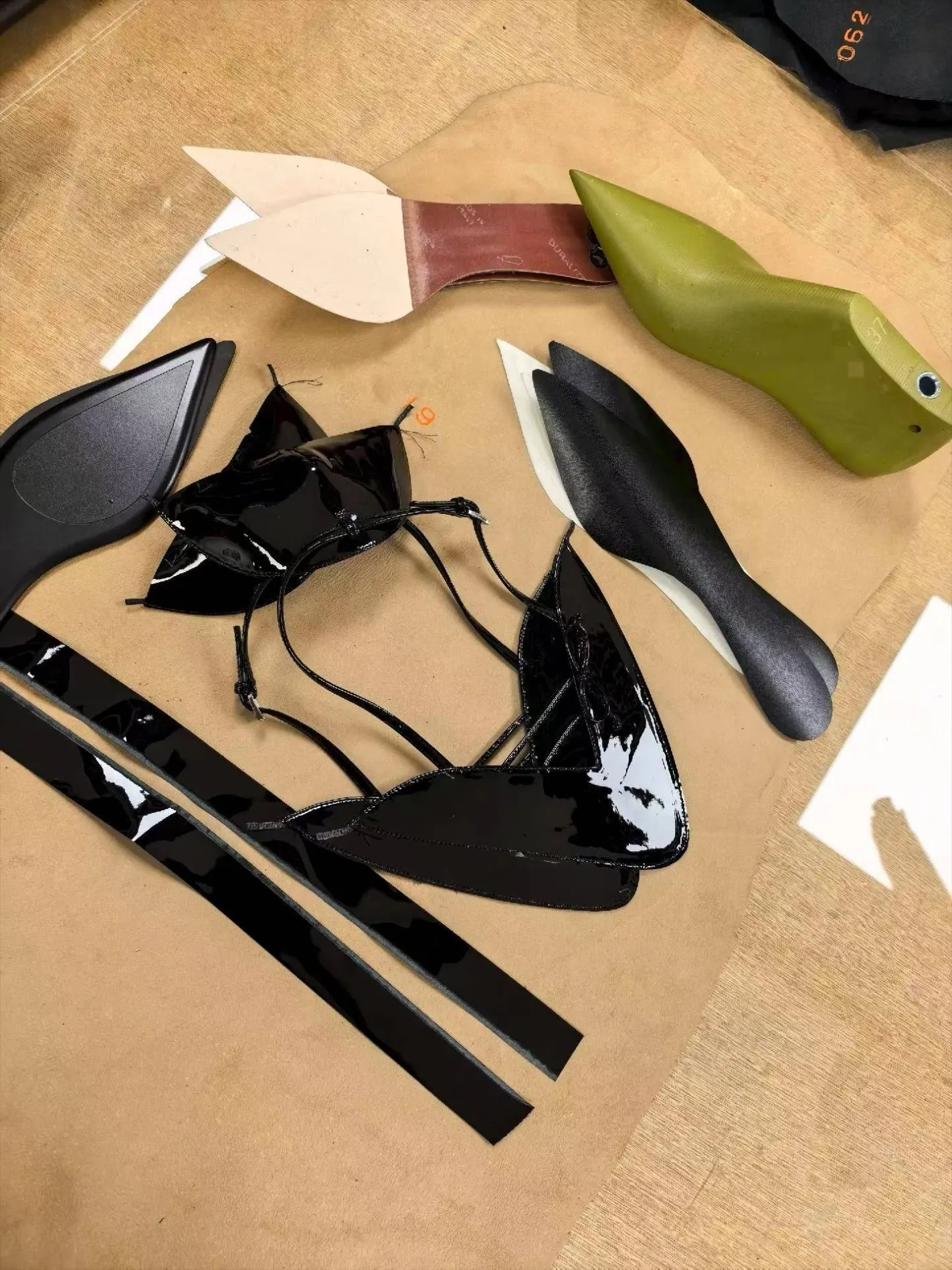
Stock or existing styles usually have a different MOQ from a new private-label design. Confirm which components can be changed: upper material, colour, heel, outsole, hardware, logo, insole and packaging. For a new shape, ask for the sample sequence and the point at which the pattern or last is approved. See the current product range at /products and the development workflow at /custom-development.
- Clarify sample fees and revision rules
A useful sample quotation should state the sample fee, available materials, estimated sample lead time, shipping method and what happens after a revision. Ask how many rounds are included in the development discussion and what information the buyer must provide, such as reference images, measurements, tech packs or a size requirement.
- Check logo and packaging minimums
Private-label details can have their own minimums. Confirm the minimum quantity for logo printing or embossing, branded insoles, dust bags, tissue, shoe boxes and master cartons. Ask for artwork requirements and approval timing before production. Packaging should be treated as part of the product specification, not added at the last minute.
- Compare sample lead time with bulk lead time
Request separate estimates for material preparation, sample making, approval changes, bulk production and final inspection. Ask which events start the clock: deposit receipt, material approval or final sample approval. A clear timeline lets a buyer plan a launch date without relying on an unsupported promise.
- Define inspection points before ordering
Agree what will be checked before shipment: pair matching, size labels, strap position, heel attachment, outsole bonding, surface marks, colour consistency and carton accuracy. If an inspection record or photo set is available, specify the format and when it will be shared. A practical checklist is more useful than a general statement that quality is controlled.
- Prepare a complete RFQ
Include target styles, estimated quantity, size run, colourways, material preferences, logo and packaging needs, destination, target delivery window and the questions above. Send reference images and note which details are fixed versus open for recommendation. This gives a women's footwear supplier enough context to answer with a comparable quotation.
When a supplier can explain MOQ, samples, branding, timing and inspection in concrete terms, a low-MOQ project is easier to evaluate and scale. For a tailored discussion, share your reference images and requirements through /contact-us.