Oct 5, 2026
How to Choose a Private-Label Women's Shoe Manufacturer for a New Collection
A practical buyer framework for comparing private-label women's shoe manufacturers by sampling, MOQ, fit control, materials, packaging and communication before you commit.
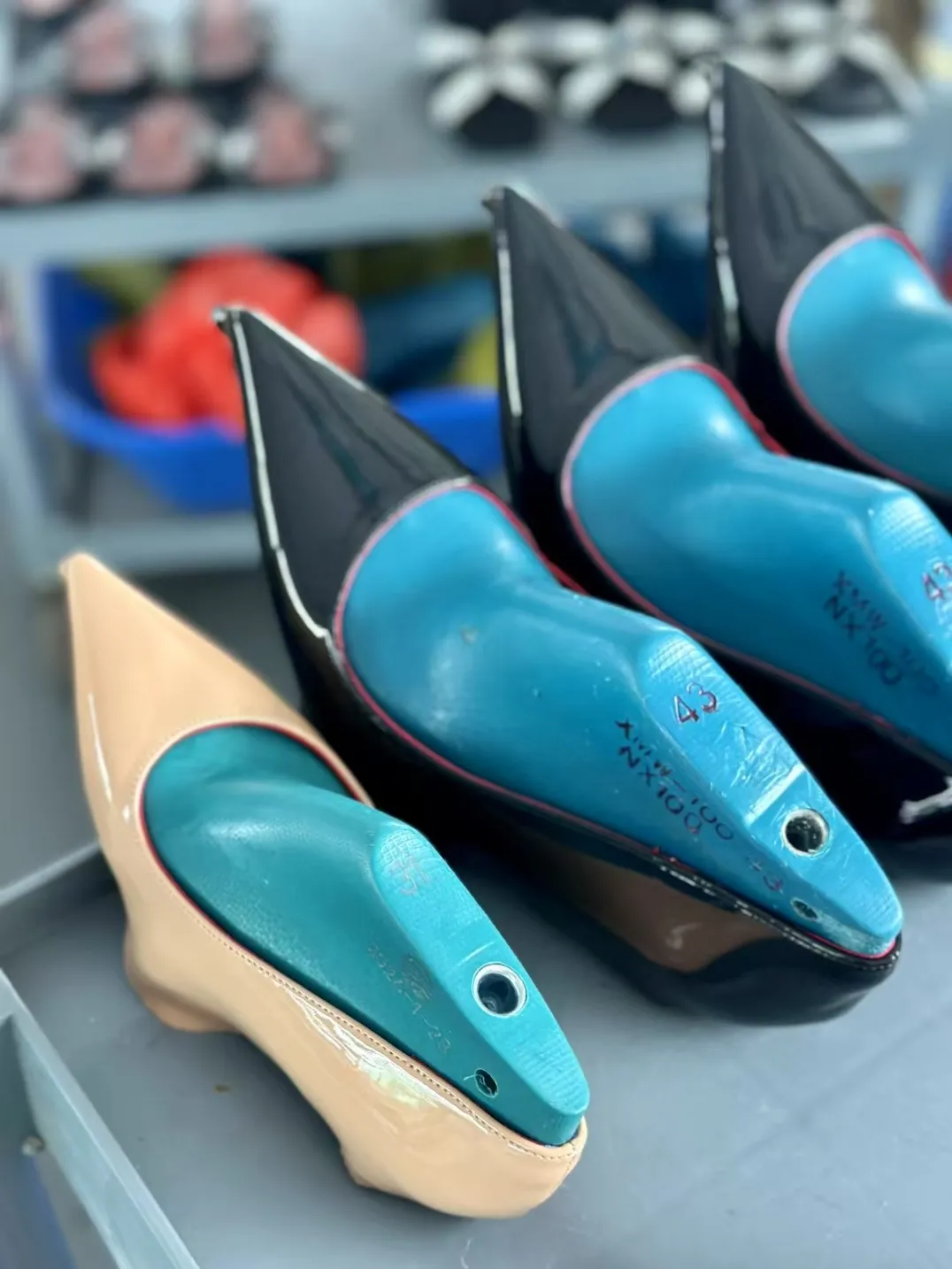
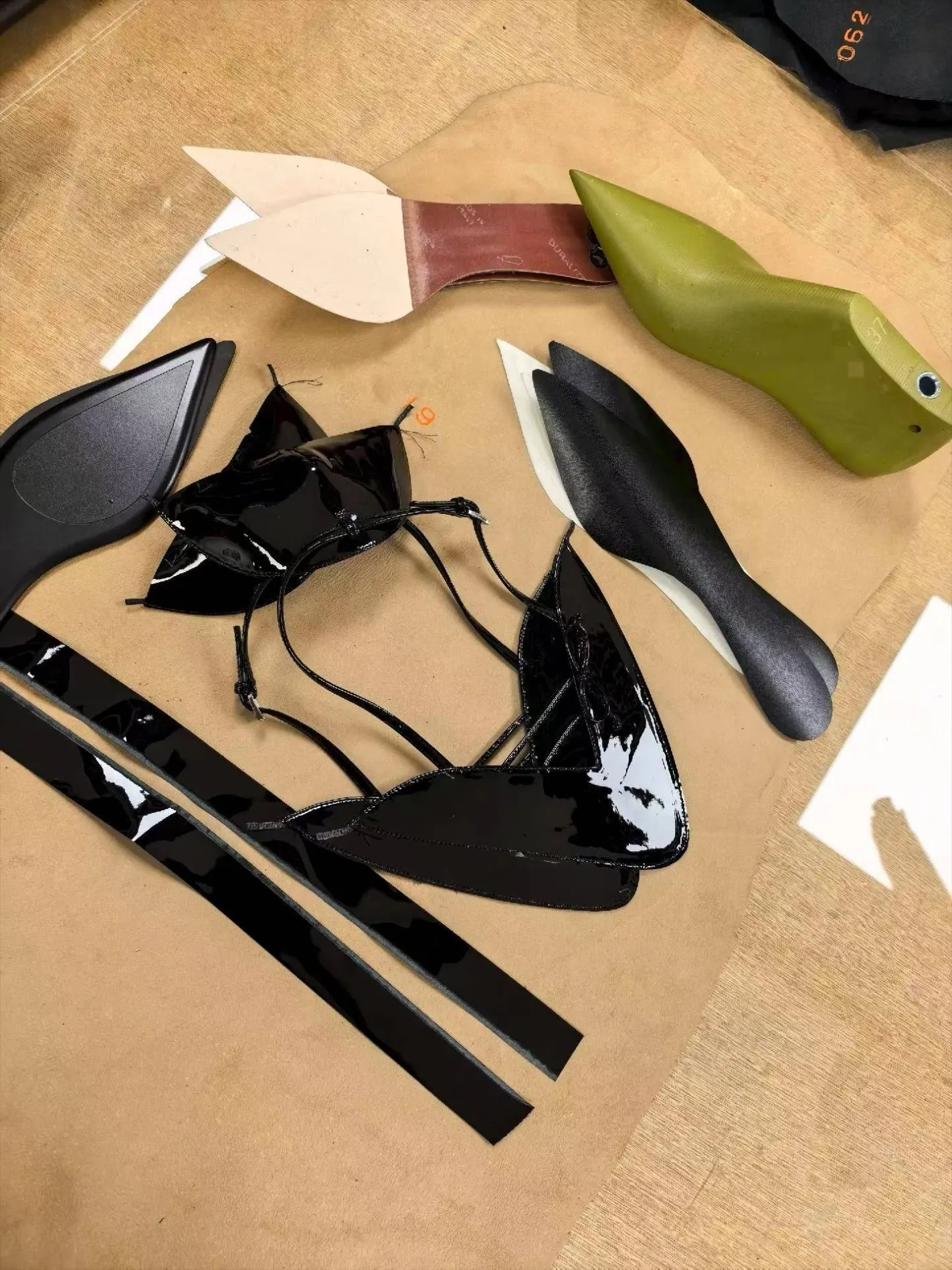
Private-label women's shoe manufacturing is more than a unit-price comparison. Compare product-development fit, sampling, MOQ, materials, fit control, packaging and communication before committing to a new collection. Use one buyer brief with target customer, category, size range, target price, launch date, quantity and reference images so supplier answers are comparable. Ask whether the supplier regularly develops heels, high-heel sandals, flats or loafers, and review relevant examples on the /products collection. Confirm whether your request is a stock-style adaptation, a private-label version or a new construction. Request a sample sequence that states what the first sample includes, how measurements are recorded, how revisions are handled and how approval is documented. Comments such as ‘the toe feels tight’ should become a measurable correction at a named location. Confirm MOQ per design, colour, size run or combined order, and ask whether custom logos, insoles, boxes or special components create another minimum. Record the upper, lining, insole foam, outsole, heel, hardware, colour and finish, and agree how substitutions are approved. Request checks for pair matching, strap position, heel attachment, outsole bonding, surface marks, size labels and carton accuracy. Confirm branding minimums for logo placement, insoles, dust bags, boxes, tissue, carton marks and packing lists. Choose a supplier that records decisions, flags risks and gives you a clear contact for sample, production and shipping questions. Score each candidate on product fit, sample clarity, MOQ transparency, material control, inspection evidence, packaging, delivery planning and communication. For structured development, visit /custom-development. To request a quote, use /contact-us. The right manufacturer makes decisions visible: what will be made, how it will be measured, what happens when a sample changes and how the approved standard is protected in bulk production.