Sep 15, 2026Buying Guides
Custom Women's Shoe Lasts and Moulds: A Buyer's Guide to Fit, Cost and Ownership
A practical guide to private shoe lasts, outsole and heel moulds, tooling fees, fit approval, ownership terms and inspection for women's footwear buyers.
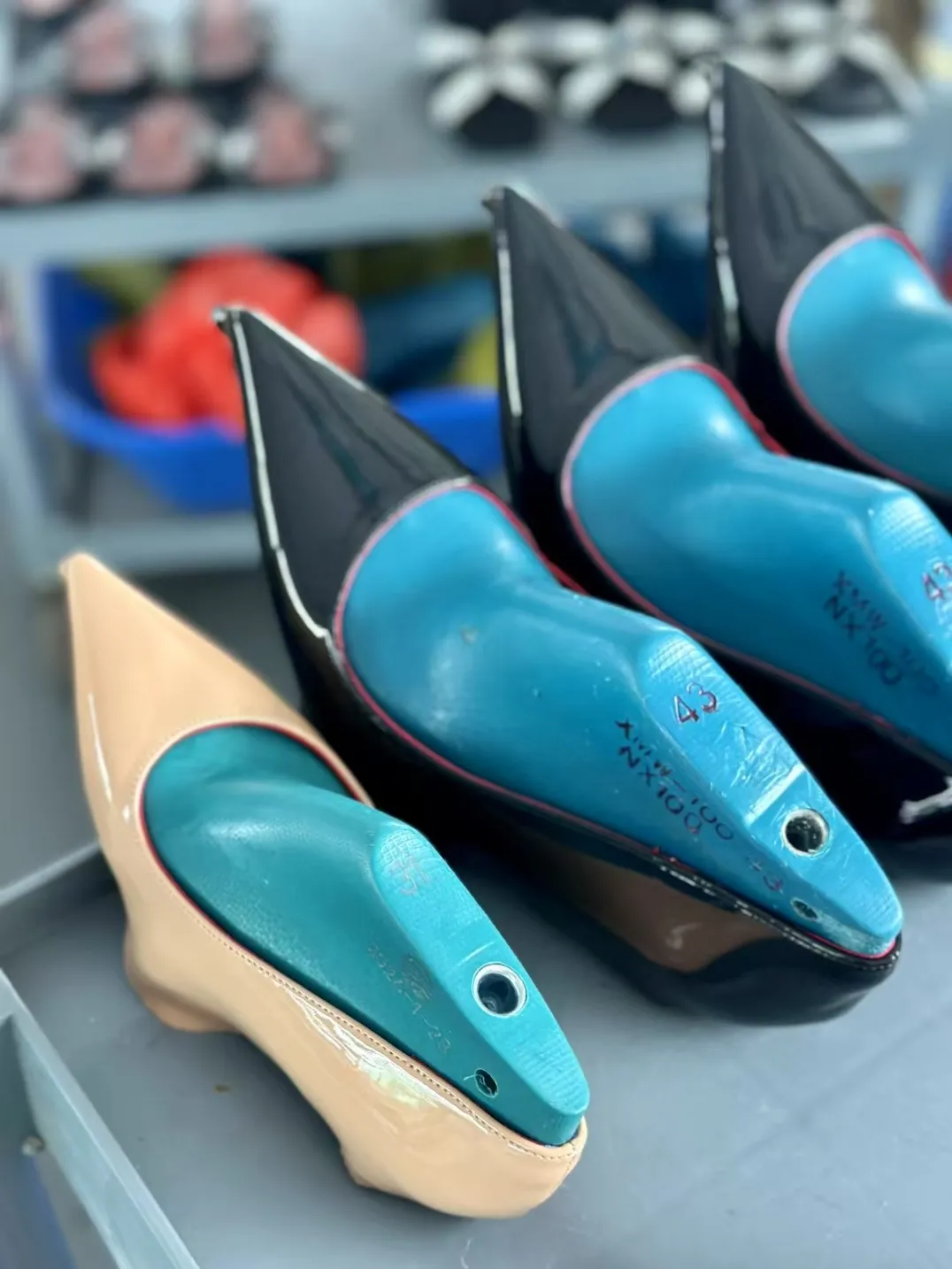
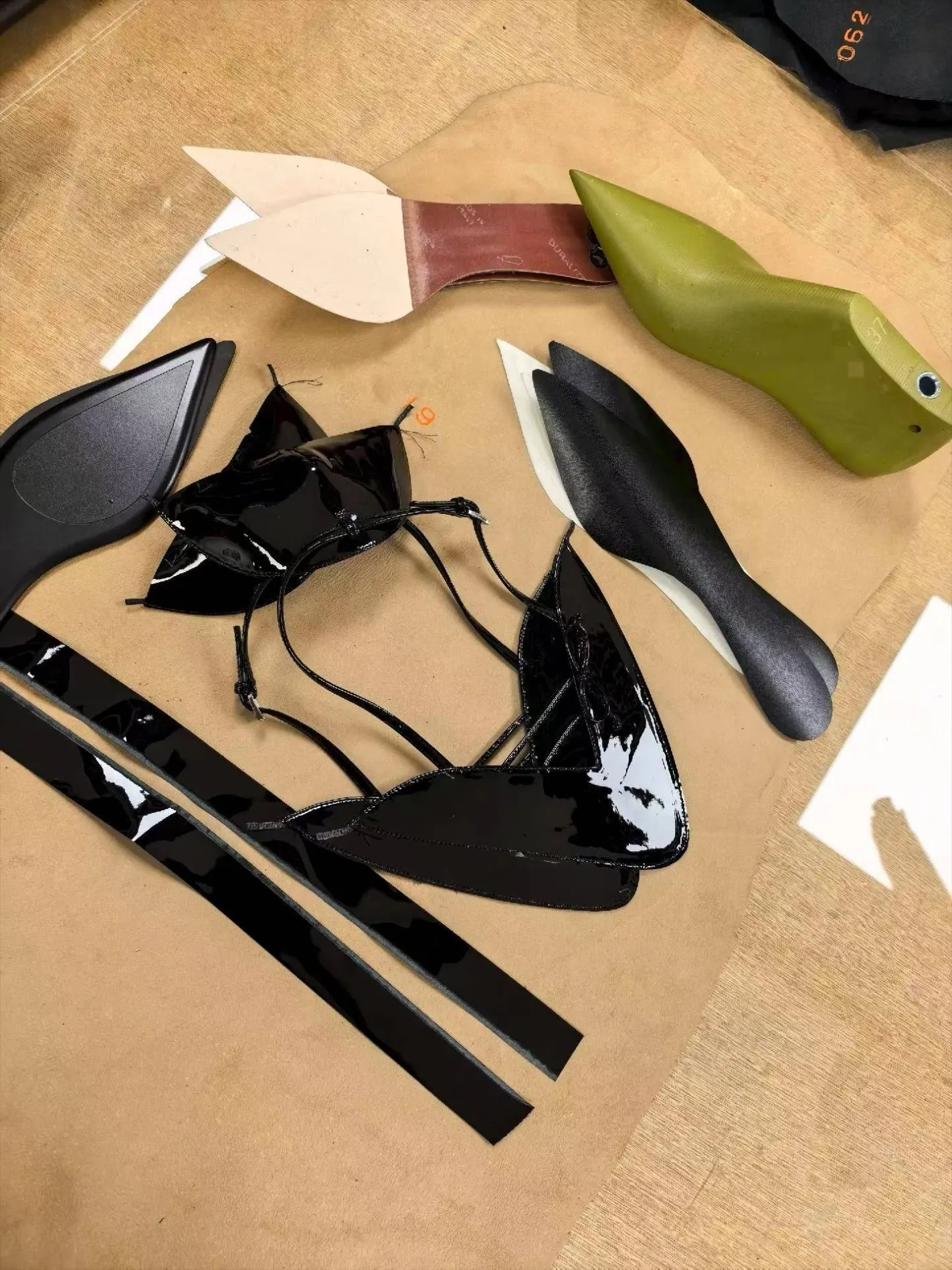
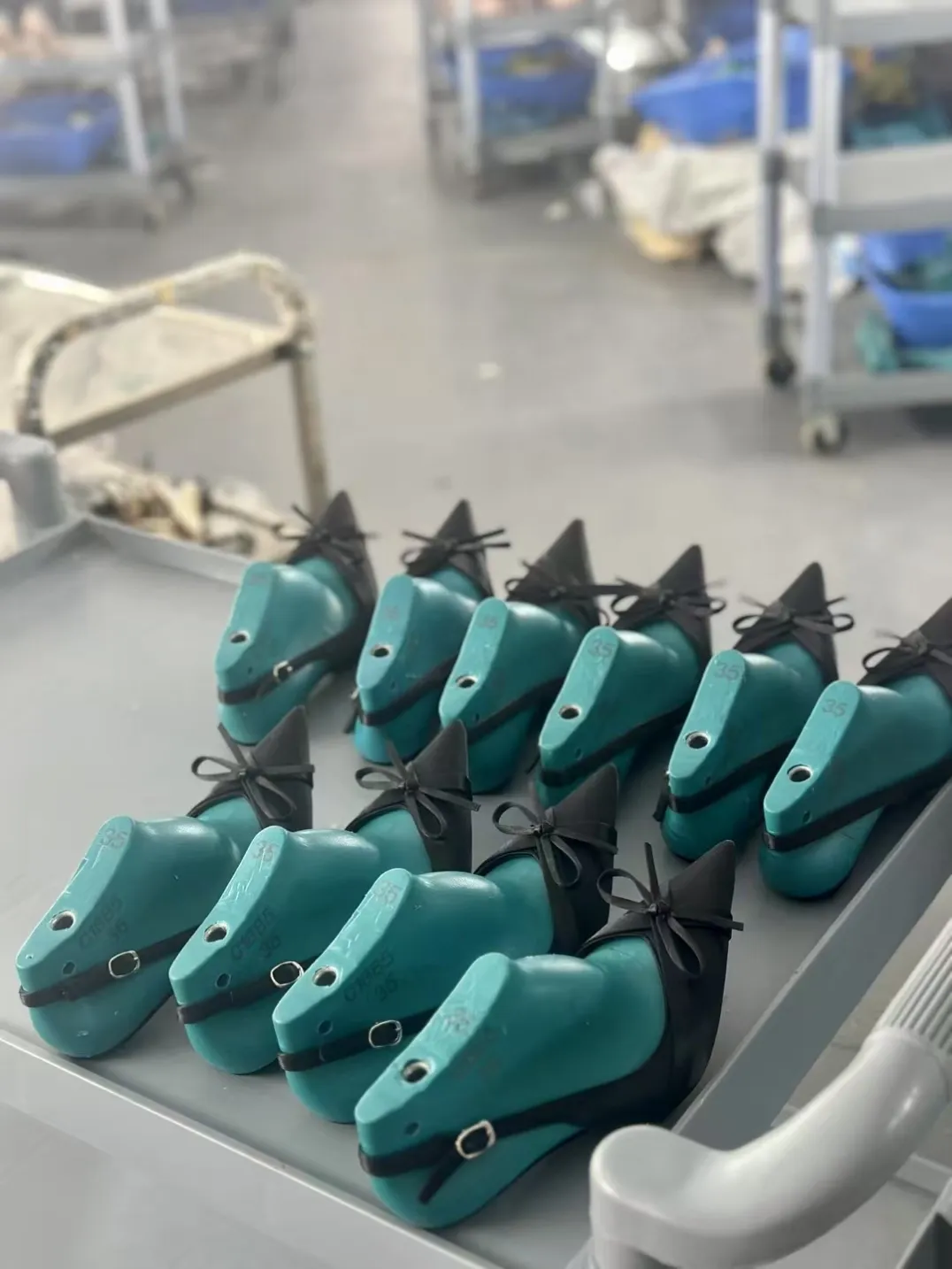
Custom women’s shoe development sometimes requires more than changing the upper material or adding a logo. When a brand needs a distinctive toe shape, fit profile, heel construction or outsole, a private last or mould may be necessary. These tools influence fit, appearance, consistency, cost and future repeat orders.
For buyers comparing private-label women’s shoe suppliers, the important question is not simply “Can you make a custom shape?” It is which tooling is needed, what the fee covers, who can use it and how approval will be controlled.
What is a shoe last?
A shoe last is the three-dimensional form around which a shoe is developed and assembled. It defines much of the toe shape, width, instep, heel seat and overall fit. Heels, high-heel sandals, flats and loafers require different last characteristics because their constructions hold the foot differently.
A private last can help a brand build a recognizable silhouette or fit profile. It does not replace fitting work. The buyer still needs to confirm the target customer, size system, sample size, width expectations, heel height and materials.
What is a shoe mould?
A mould is a production tool used to create a specific component, such as an outsole, heel, platform, ornament or other shaped part. A new outsole pattern or branded bottom may require dedicated mould development. The exact tooling depends on the shoe design and production method.
A last shapes the complete shoe during development, while a mould forms a specific component. Some custom projects need only an existing last with a revised upper. Others need a private last, one or more component moulds, or both.
When does a private-label buyer need custom tooling?
Custom tooling is most useful when the commercial requirement cannot be achieved reliably with an existing last or component. Common reasons include a proprietary toe shape, a different width or instep profile, a signature heel, a branded outsole, a new platform or a fit standard intended for repeat collections.
It may not be necessary when the main changes are colour, upper material, trim, insole branding or packaging. Using a suitable existing last can reduce development cost and shorten the path to sampling. Buyers should decide where uniqueness creates customer value and where existing components are commercially acceptable.
What information should be in the development brief?
A useful brief should identify the target market, customer profile, category, reference style, toe shape, heel height, size range, width, materials, construction, target price and planned quantity. Include measurements or a fitting reference if your brand already uses an established fit.
Reference images are useful for direction, but they do not define hidden construction or exact dimensions. Mark the features that must be retained and the features that may be adjusted. A complete brief is particularly important because repeated design changes during sampling consume pattern-making time and can make fit comparisons unreliable.
How should buyers evaluate last and mould fees?
Treat tooling as a separate development cost, not as an unexplained addition to the unit price. Ask which tools are required, how many sizes are included, whether grading is covered, whether modifications create additional fees and how future repeat orders will use the tooling.
At Peix Shoes, private lasts and moulds are available with separate charges. The quotation should be reviewed against the expected order volume and the number of future collections that may use the same base. A private last used across several related designs may create more long-term value than tooling for a single short-lived detail.
What should a tooling agreement clarify?
Before payment, document the tool description, sample size, size range, technical specification, fee, revision scope, storage arrangement and permitted use. Also clarify whether the tooling is exclusive to the buyer, how long it will be retained, and what happens if production moves or the tool is no longer used.
Do not assume that paying a tooling fee automatically answers every ownership or exclusivity question. Put the agreed terms in writing. Peix Shoes can support design confidentiality or sign an NDA when required.
How is a custom last approved?
Approval should combine measurements, visual shape and wear testing. Review toe room, width, instep pressure, heel grip, balance and the way the upper sits on the last. For heels and high-heel sandals, pay particular attention to pitch, heel seat, foot movement and strap position.
Evaluate the sample on the intended upper and lining materials because material thickness and flexibility affect fit. Record comments with photos and measurable changes. Avoid changing several unrelated design points between rounds, because that makes it difficult to identify which revision improved or harmed the fit.
How long does the first sample take?
At Peix Shoes, a first sample takes about 10 days when the buyer provides a complete brief. The US$100 sample fee can be refunded or credited after a bulk order. Timing for new lasts or moulds depends on the required tooling and should be confirmed for the specific project before the sample schedule is approved.
A stable brief is the fastest route to a useful first sample. Confirm the design direction, heel height, material, colour, size and key dimensions before work starts.
How should buyers inspect custom-developed shoes?
The approved sample, last specification, component drawings, materials and colour references should become the production standard. Inspection can then check sizing, pair consistency, outsole attachment, heel alignment, surface finish, logo placement and packaging.
Buyer or third-party inspection is accepted. If fit is a critical brand feature, include measurements and tolerances in the inspection criteria instead of relying only on appearance.
A buyer checklist before approving custom lasts or moulds
- Define the commercial reason for custom tooling.
- Confirm whether an existing last or component can meet the requirement.
- Provide target market, size system, width and fitting reference.
- Identify every required last, outsole, heel or component mould.
- Review fees, included sizes, grading and revision scope.
- Put exclusivity, confidentiality, storage and permitted use in writing.
- Approve measurements, appearance and wear-test results.
- Keep the signed sample and specifications as production references.
- Add tooling-related checks to the inspection plan.
- Plan how the base can support future styles or repeat orders.
How to start a custom women’s shoe project
Send a complete brief with your target market, shoe category, quantity by colour, size range, target price, reference images, logo and packaging requirements. State clearly whether you need a distinctive fit, private last, new outsole, heel or other moulded component.
For logo, shoe box and packaging, the minimum is 160 pairs per colour. Payment terms are 60% deposit with the balance due before delivery. These commercial points should be reviewed together with tooling cost so the buyer can assess the complete project.
Frequently asked questions
Can Peix Shoes develop a private shoe last?
Yes. Private lasts are available with separate last and mould fees, depending on the project requirements.
Is a private last necessary for every custom women’s shoe?
No. Many projects can use a suitable existing last with changes to the upper, materials, logo or packaging. A private last is useful when fit or silhouette requirements cannot be achieved with an existing option.
Does a mould fee mean the buyer owns the mould?
Ownership and permitted use should be agreed in writing before payment. Buyers should confirm exclusivity, storage, retention and future-order terms rather than making assumptions.
Can the design be kept confidential?
Yes. Design confidentiality can be agreed, and an NDA can be signed when required.
What should I send for an initial assessment?
Send reference images, target market, category, heel height, size range, width or fit expectations, planned quantity, target price and launch timing. Mark which parts require a unique shape and which parts may use existing components.