What Quality Documents Should a Women's Shoe Manufacturer Provide Before Shipment?
A buyer's checklist of the quality, packing and approval documents needed before releasing a women's footwear shipment.
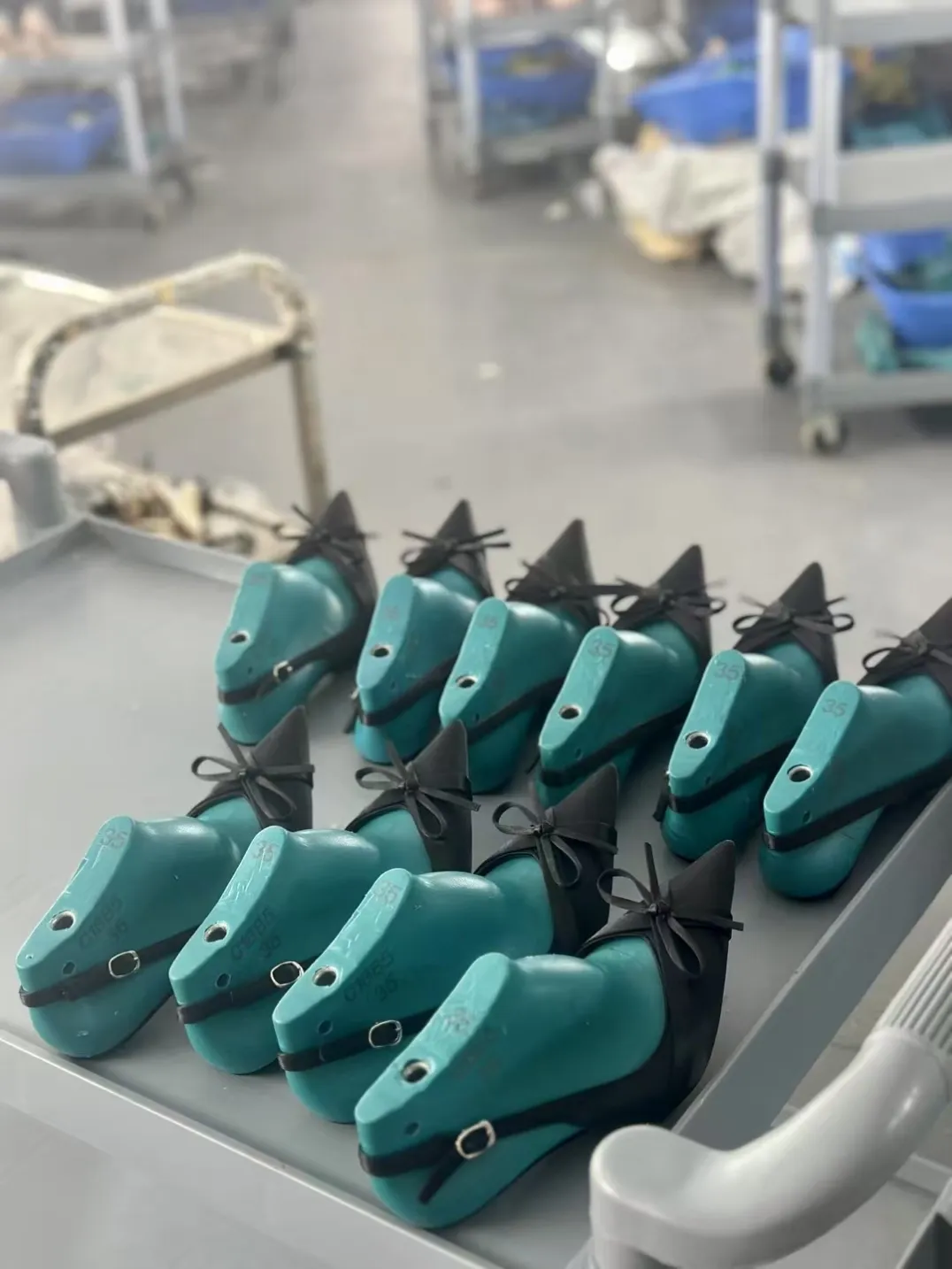
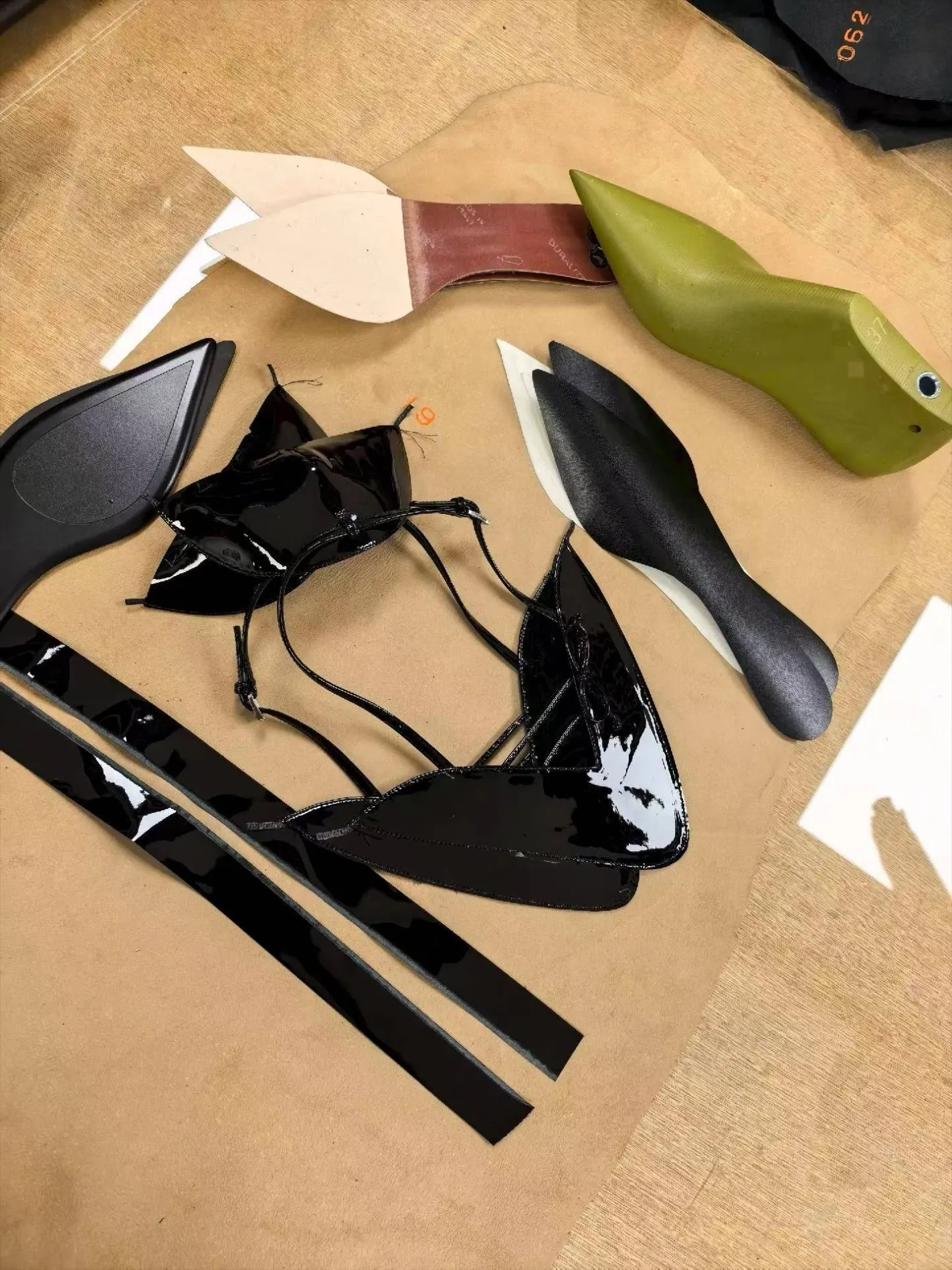
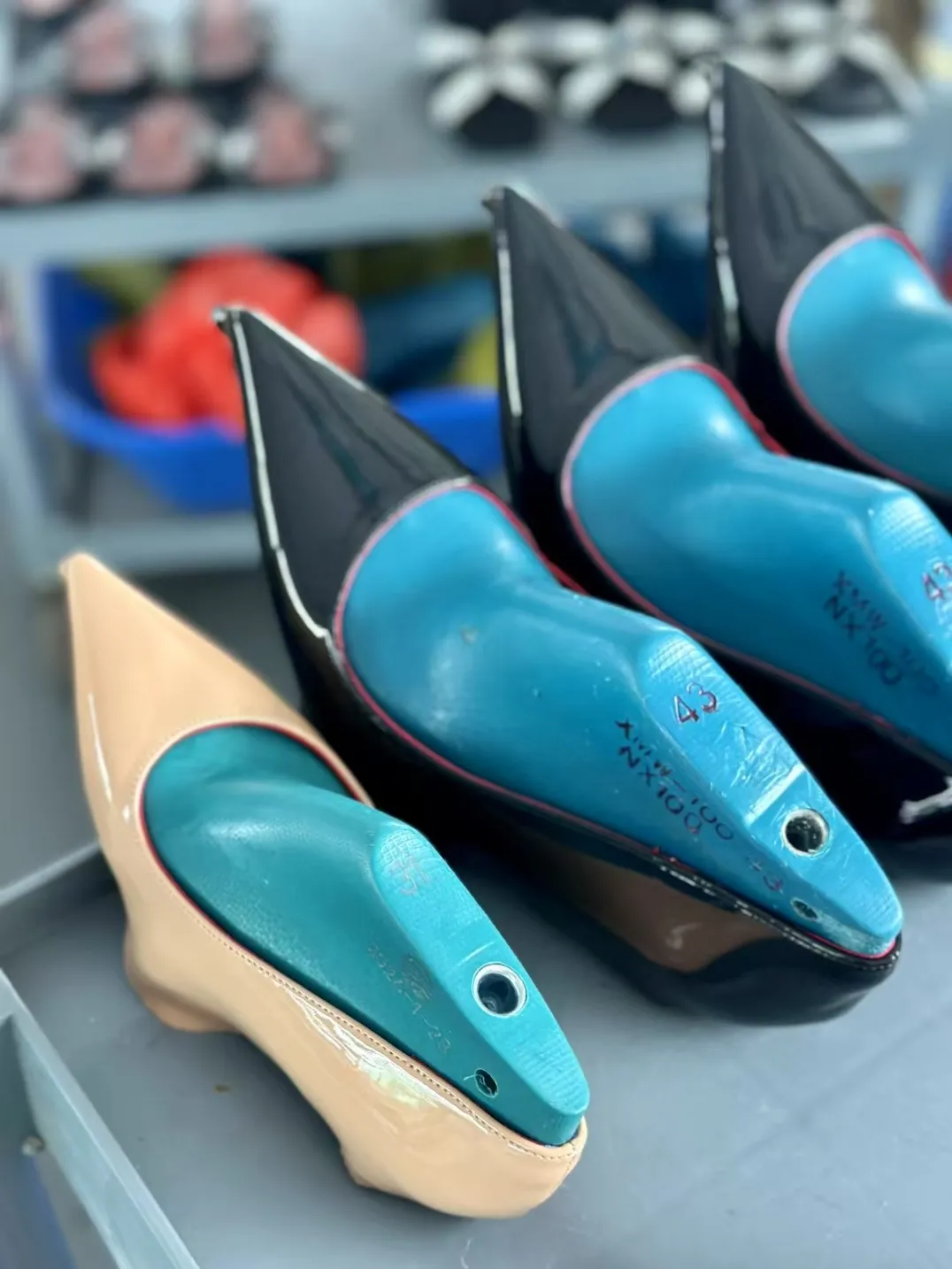
Before releasing a women's shoe shipment, buyers should receive evidence that the goods match the approved product, quantity, size-colour breakdown and packing instructions. The exact documents depend on the order and destination market, but every file should identify the style, version, date and responsible party so it can be traced to the shipment.
Documents are evidence, not decoration
A certificate or report is useful only when its scope matches the product and order. Buyers should check the company name, style reference, sample or lot, test method, date and result. Generic documents and undated photos do not prove that the current shipment was checked.
1. Approved sample and specification reference
The shipment file should identify the approved sample version and final specifications for materials, colours, construction, logo and packaging. If changes were accepted after the sample, add the dated written approval. This reference is the basis for inspection and dispute prevention.
2. Size and colour breakdown
Confirm the ordered and packed quantities by style, colour and size. Totals should agree with the purchase order, packing list and carton count. Note permitted over- or under-delivery before shipment.
3. Production inspection records
- Incoming material or colour-lot check where relevant
- First-piece or pilot approval
- In-line inspection findings and corrective actions
- Final inspection report with sample size and defect classification
- Evidence that critical findings were closed
The report should describe the standard used and the party that performed the inspection. Photos should be linked to style numbers and findings.
4. Measurement and fitting evidence
For selected sizes, retain key dimensions and fitting observations agreed for the project. High heels may require evidence related to heel height, balance and attachment; flats and loafers may require checks for topline, heel fit and flex. Measurements do not replace a fitting trial, but they improve traceability.
5. Test reports required for the market
Testing should be based on destination rules, retailer requirements and product claims. Confirm that the report covers the correct materials or finished product, and check the laboratory, method, date and result. Do not request or publish claims that the evidence does not support.
6. Packing list and carton information
The packing list should show carton numbers, quantities, sizes, colours, net and gross weights where required, and dimensions. Carton marks, barcodes, labels and packaging should match approved artwork. Randomly compare physical cartons with the list before release.
7. Commercial and shipping documents
Depending on the transaction, buyers may need a commercial invoice, packing list, transport document and origin or customs documents. Requirements vary by Incoterm and destination. Confirm the final document set with your broker or logistics provider rather than relying on a generic checklist.
Review Peix Shoes' women's footwear range for category context and the development process for approval stages that feed the shipment file.
A pre-shipment document index
- Purchase order and final proforma invoice
- Approved sample/specification reference
- Change and approval log
- Size-colour quantity table
- Final inspection report and closure evidence
- Relevant test reports
- Packing list and carton marks
- Required commercial and transport documents
Vera's practical judgment
The document I check first is the link between the final inspection report and the approved sample. If the report does not identify what the inspector compared the goods against, a “pass” is weak evidence. I would not release a shipment while quantity differences or critical defects remain unexplained.
Common document problems
- Style numbers differ across files.
- Reports cover a material or colour not used in the order.
- Corrective actions are promised but not verified.
- Packing totals do not match the order.
- Photos lack dates, carton numbers or context.
- The buyer receives documents only after goods have departed.
Frequently asked questions
Is a final inspection report enough?
No. It is important, but the buyer also needs the approval reference, quantity breakdown and packing/shipping records. Market-specific test evidence may also be required.
Who should perform the final inspection?
That depends on order risk and buyer policy. It may be the supplier's quality team, the buyer's representative or an independent inspection company. Independence and sampling scope should be stated clearly.
When should documents be reviewed?
Agree the list before production and review the final set before shipment release. Waiting until goods leave removes practical options for correction.
Conclusion
A complete shipment file makes product, quality, quantity and packing claims traceable. Define the document list early, link every report to the order and close critical findings before authorising release.
Primary next step: send Peix Shoes your required pre-shipment document list when discussing a new project.