Trading Company or Women's Shoe Manufacturer: Which Partner Is Right for Your Brand?
Compare direct manufacturers and footwear trading partners by development depth, category range, accountability, MOQ and supply-chain visibility.
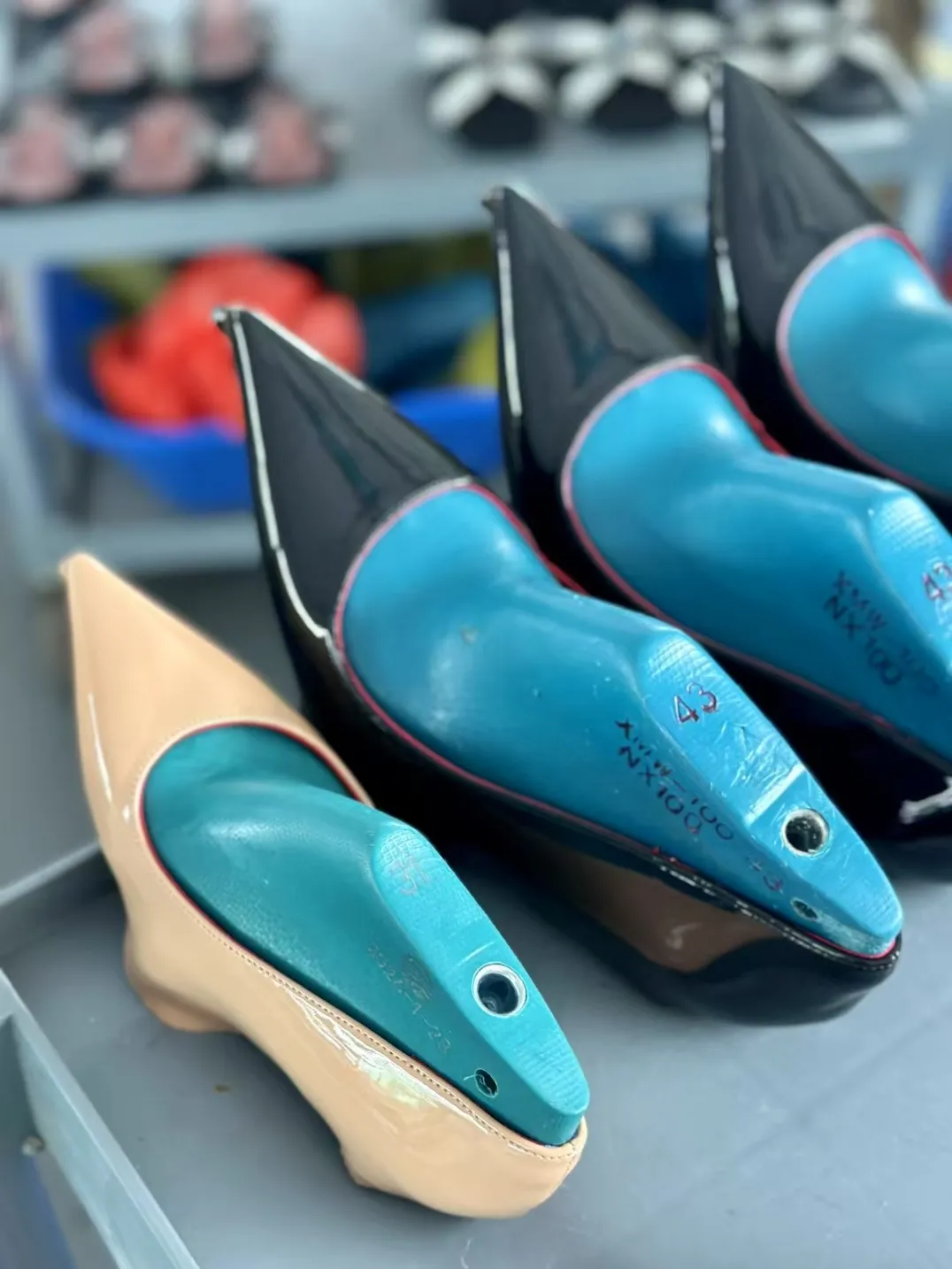
Neither a factory nor a trading company is automatically the better women's footwear partner. The right choice depends on your category mix, order size, development complexity and the level of coordination you need. Buyers should identify who performs each production step, who owns technical decisions and who is accountable when samples or bulk goods need correction.
What is the practical difference?
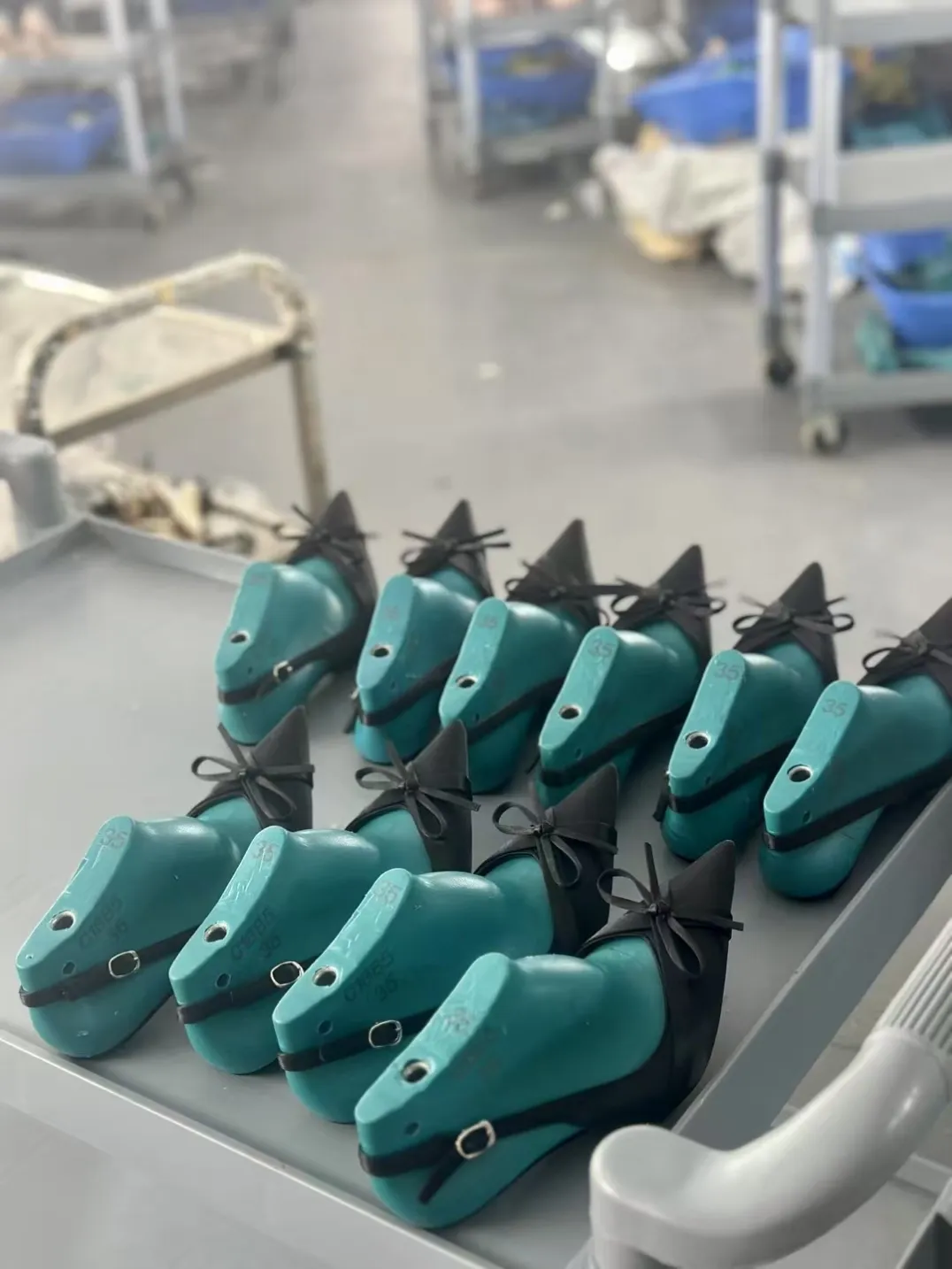
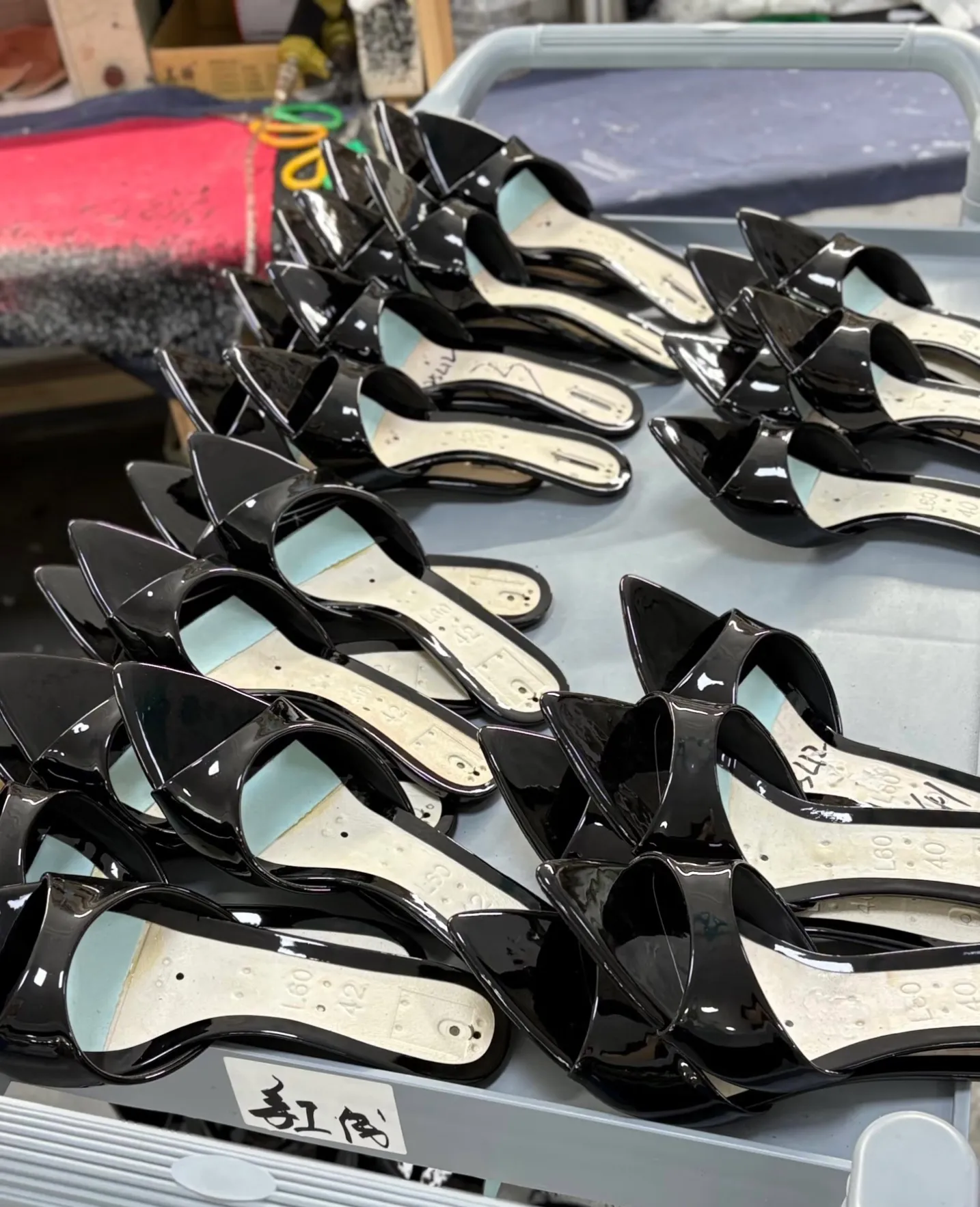
A manufacturer controls core production processes within its own operation, although specialist components may still come from outside partners. A trading company coordinates sourcing and production through one or more manufacturers. Some footwear businesses use hybrid models, combining an internal development team with partner workshops.
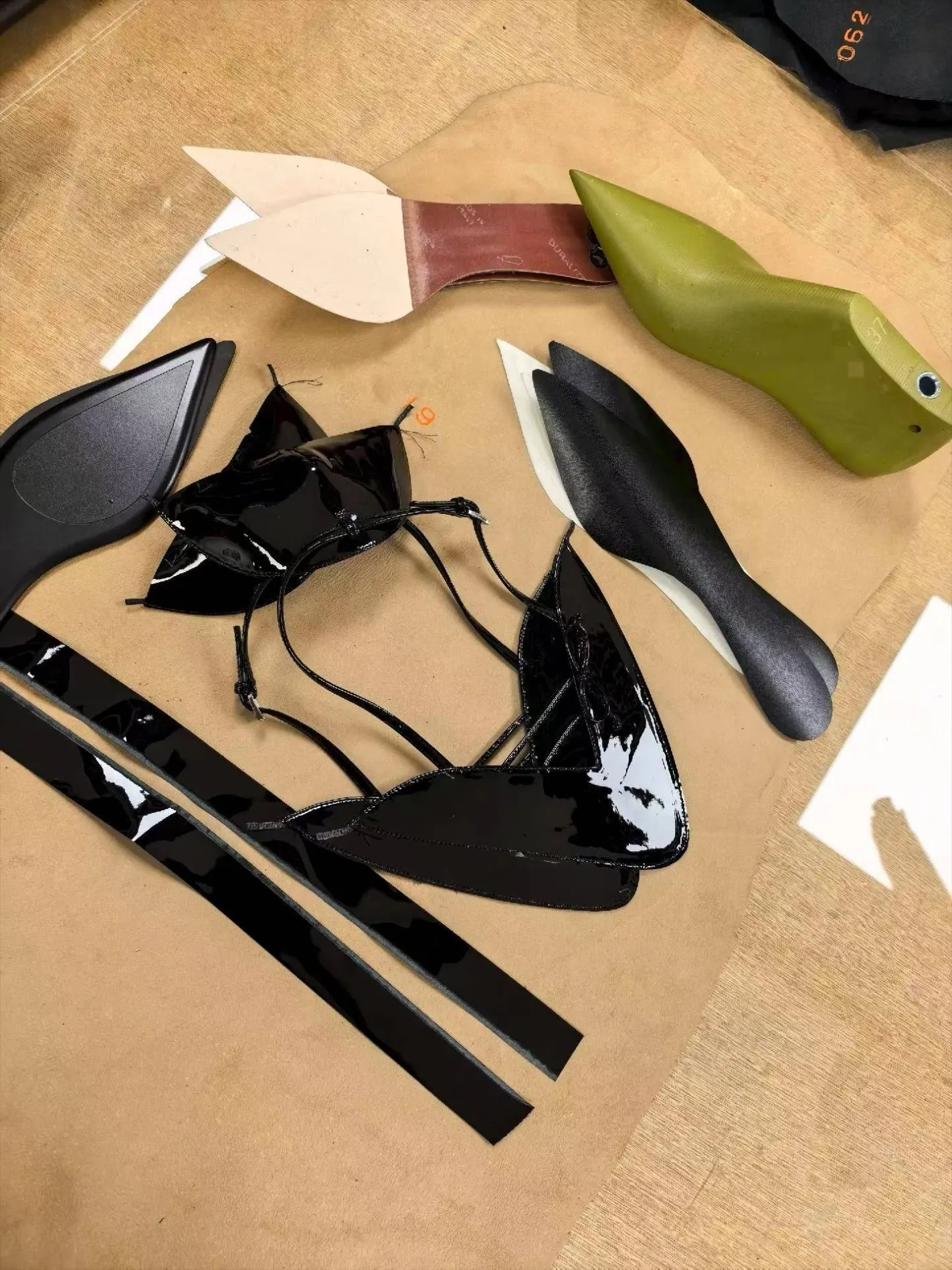
The label matters less than the operating model. Ask for a process map showing who develops the last, sources materials, makes samples, manages production, inspects goods and handles corrective action.
When a direct manufacturer can be stronger
- Your collection concentrates on one construction or category.
- You need repeated production using stable materials and tooling.
- Your volumes fit the production line and material minimums.
- You want direct visibility into production scheduling and process control.
Direct access can reduce communication layers, but it does not guarantee better service. A production-focused factory may have limited design interpretation, merchandising or English-language project management. Confirm who will manage your account after the sales conversation.
When a trading or development partner can be stronger
- Your range includes heels, high-heel sandals, flats and loafers that require different specialists.
- You need help translating references into workable specifications.
- Your initial quantities are distributed across several designs.
- You value one team coordinating materials, samples, revisions and shipment.
The trade-off is an additional coordination layer. Buyers need transparency about which partner performs each process and how quality responsibility is assigned.
Seven questions that reveal the real business model
- Which processes are performed by your own team and which are outsourced?
- Who develops and approves lasts, heels, outsoles and patterns?
- Where will the sample and bulk order be produced?
- Who checks incoming materials and finished shoes?
- Can the same production partner support repeat orders?
- Who owns custom tooling and project files?
- Who is accountable for corrective action if bulk goods differ from the approved sample?
Compare capability, not labels
Use the same product brief when comparing candidates. Specify category, material, construction, target market, size range, quantities and delivery window. Then compare the clarity and completeness of the response.
You can use Peix Shoes' product range to identify relevant women's footwear categories and the custom development overview to structure an initial brief.
How MOQ changes the decision
A direct factory may offer an attractive unit price at its efficient volume but struggle with a fragmented trial order. A coordinating partner may combine development resources more flexibly, but material and component minimums still apply. Ask whether the stated MOQ is per design, colour, material or total order, and which substitutions would be required for a smaller run.
How to assess transparency
Transparency means the supplier can explain the supply chain without vague language. It does not mean every component must be made in one building. Women's footwear normally involves specialised suppliers for heels, outsoles, ornaments, packaging and materials. The key is that responsibilities, approval references and inspection points remain visible.
Vera's practical judgment
I would not reject a partner only because it coordinates outside production. I would reject a relationship where the team cannot identify who is making the sample, who controls fit and who will correct a production problem. A buyer needs one accountable project owner, even when several specialists contribute.
Decision table
- Choose for category depth: prefer the partner with recent evidence in your exact shoe type.
- Choose for development: prefer the team that turns references into measurable specifications.
- Choose for execution: prefer realistic schedules and written checkpoints.
- Choose for accountability: prefer one named owner for sample, production and corrective action.
Frequently asked questions
Is a trading company always more expensive?
Not necessarily. A service margin may be visible or built into the quotation, but total project cost also depends on sampling efficiency, rejected goods, coordination time and shipping errors. Compare the complete scope, not only the unit price.
Does factory ownership prove quality?
No. Ownership describes structure, not performance. Quality depends on specifications, people, controls, equipment, materials and consistent execution.
Can I ask where my order will be made?
Yes. The answer may include approved specialist partners. Ask for enough detail to assess capability and responsibility while respecting legitimate supplier confidentiality.
Conclusion
The best women's shoe partner is the one whose operating model fits your collection and whose responsibilities are clear. Verify category experience, development ownership, production visibility and corrective-action authority before comparing price.
Primary next step: send Peix Shoes your category plan for a transparent discussion of the development and production route.