How to Verify a Women's Shoe Manufacturer Before Paying a Deposit
A practical due-diligence checklist for importers and private-label brands verifying a women's shoe supplier before paying a deposit.
Before paying a deposit, verify the supplier's legal identity, bank beneficiary, footwear experience, sample evidence, production arrangement and written commercial terms. A professional website or fast quotation is not enough. The safest decision comes from several consistent pieces of evidence that connect the company, the people, the product and the payment request.
Why supplier verification matters in women's footwear
Women's heels, sandals, flats and loafers are development-heavy products. Fit, last shape, heel balance, materials and construction must be coordinated before bulk production. A supplier may communicate well yet still rely on undocumented subcontracting, quote incomplete specifications or accept a schedule it cannot support.
The purpose of due diligence is not to eliminate every risk. It is to identify contradictions before money is committed and to define how problems will be handled.
1. Confirm the legal company and payment beneficiary
Ask for the supplier's registered company name, business address and the name that will appear on the proforma invoice. The bank beneficiary should be explainable and consistent with the contracting party. If a different company collects payment, request a written explanation before proceeding.
Do not rely on a chat profile, logo or email signature as proof. Compare the names used on the quotation, invoice, bank details and official documents. A mismatch is not automatically fraud, but it is a reason to pause.
2. Verify category-specific capability
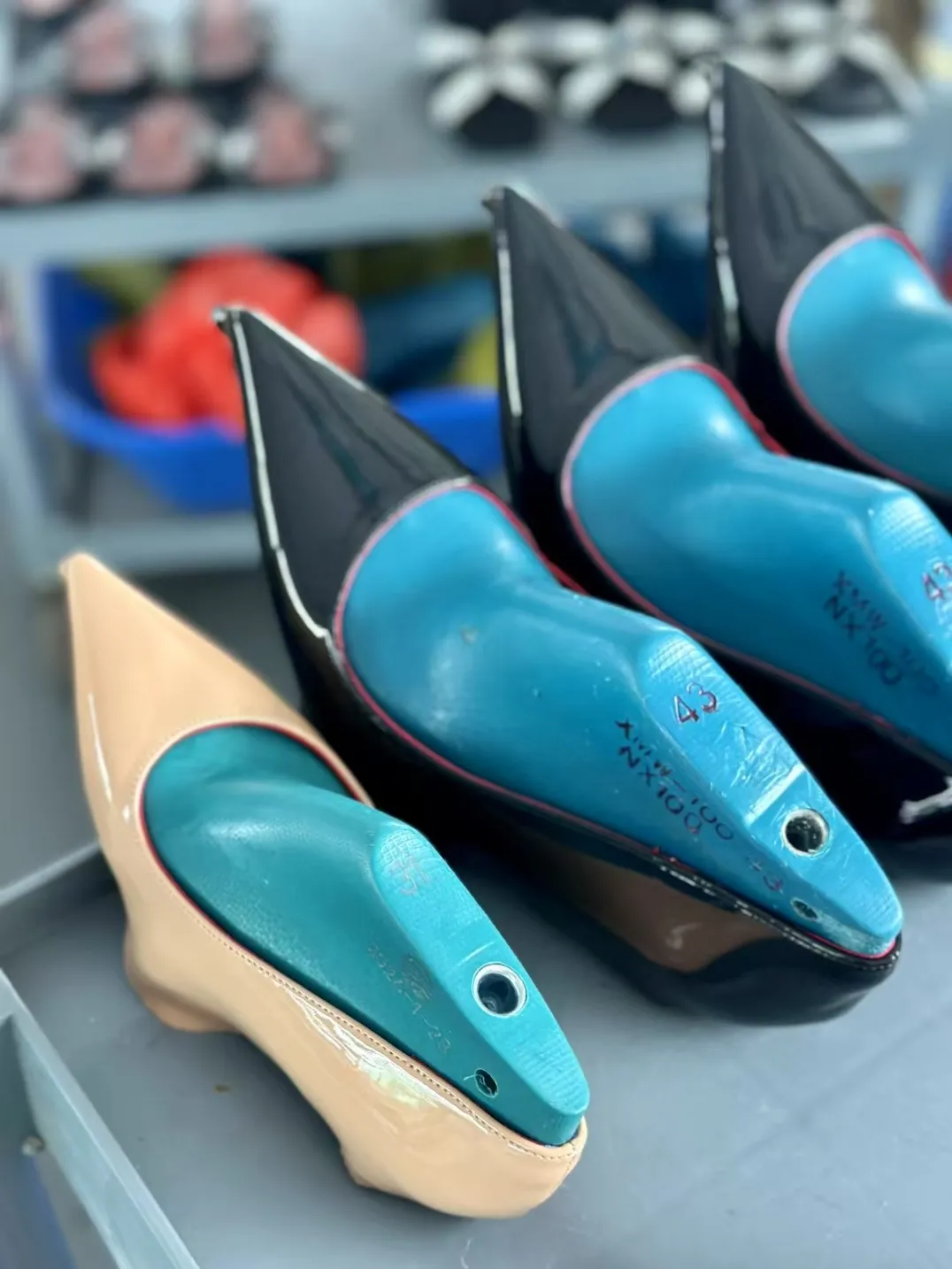
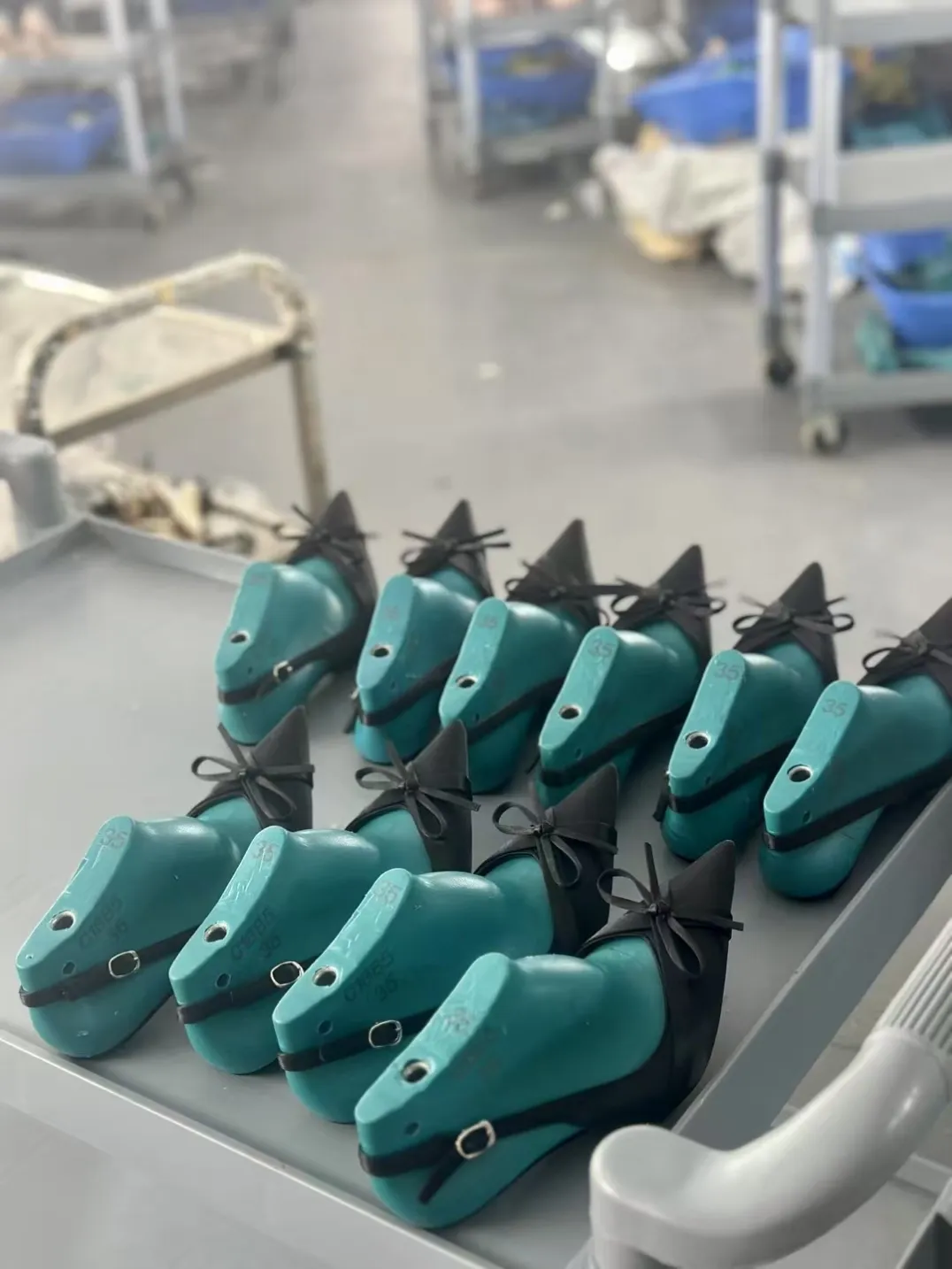
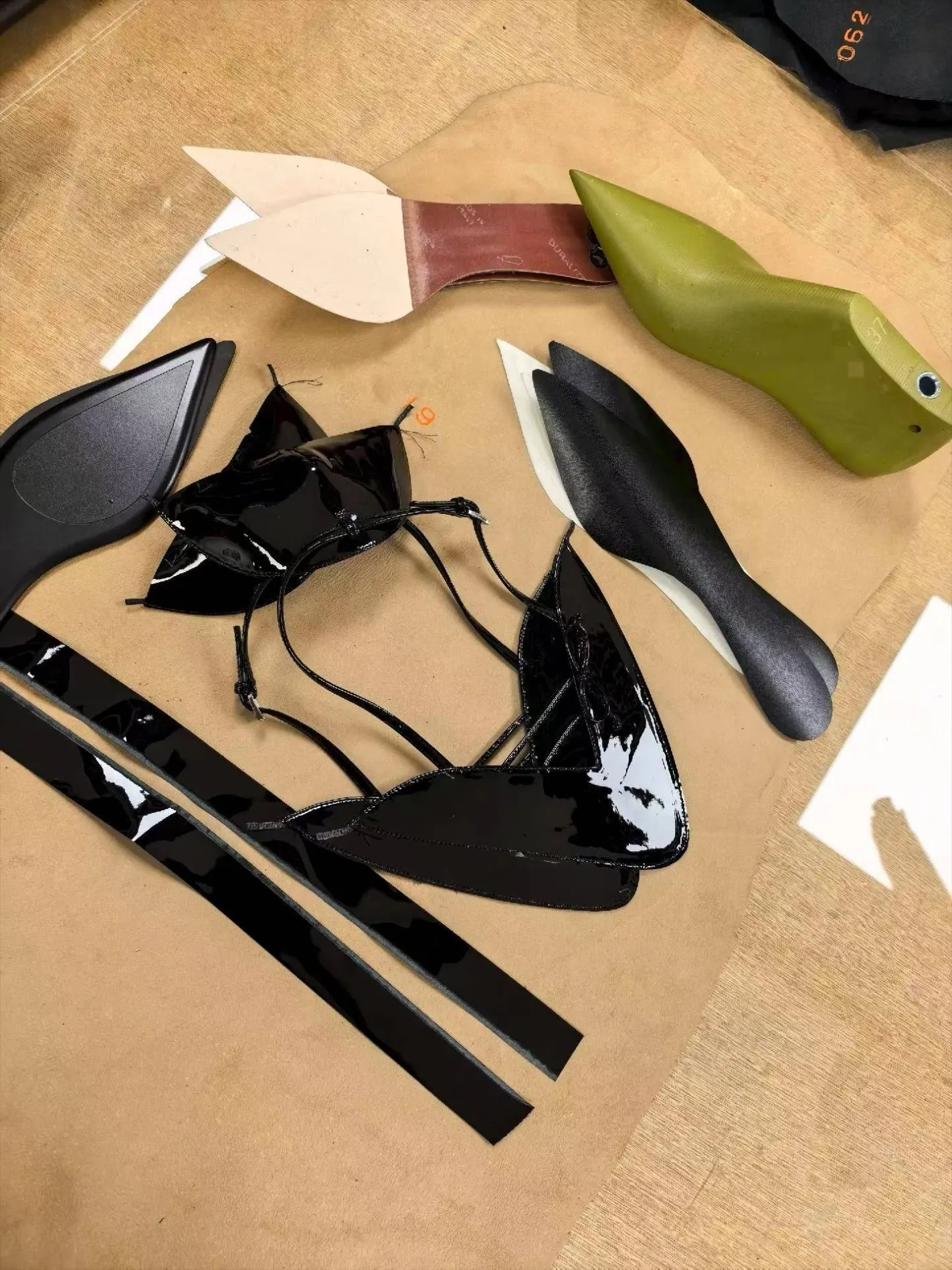
A supplier that makes casual sneakers is not automatically qualified to develop women's high heels. Ask for recent, relevant product evidence in the categories you intend to buy. For heels and high-heel sandals, look for last development, heel attachment, shank control and fitting capability. For flats and loafers, check topline shape, heel slip, flex and lasting consistency.
Review Peix Shoes' current women's footwear products as a starting point for discussing the category, construction and target price you need.
3. Request live, project-specific evidence
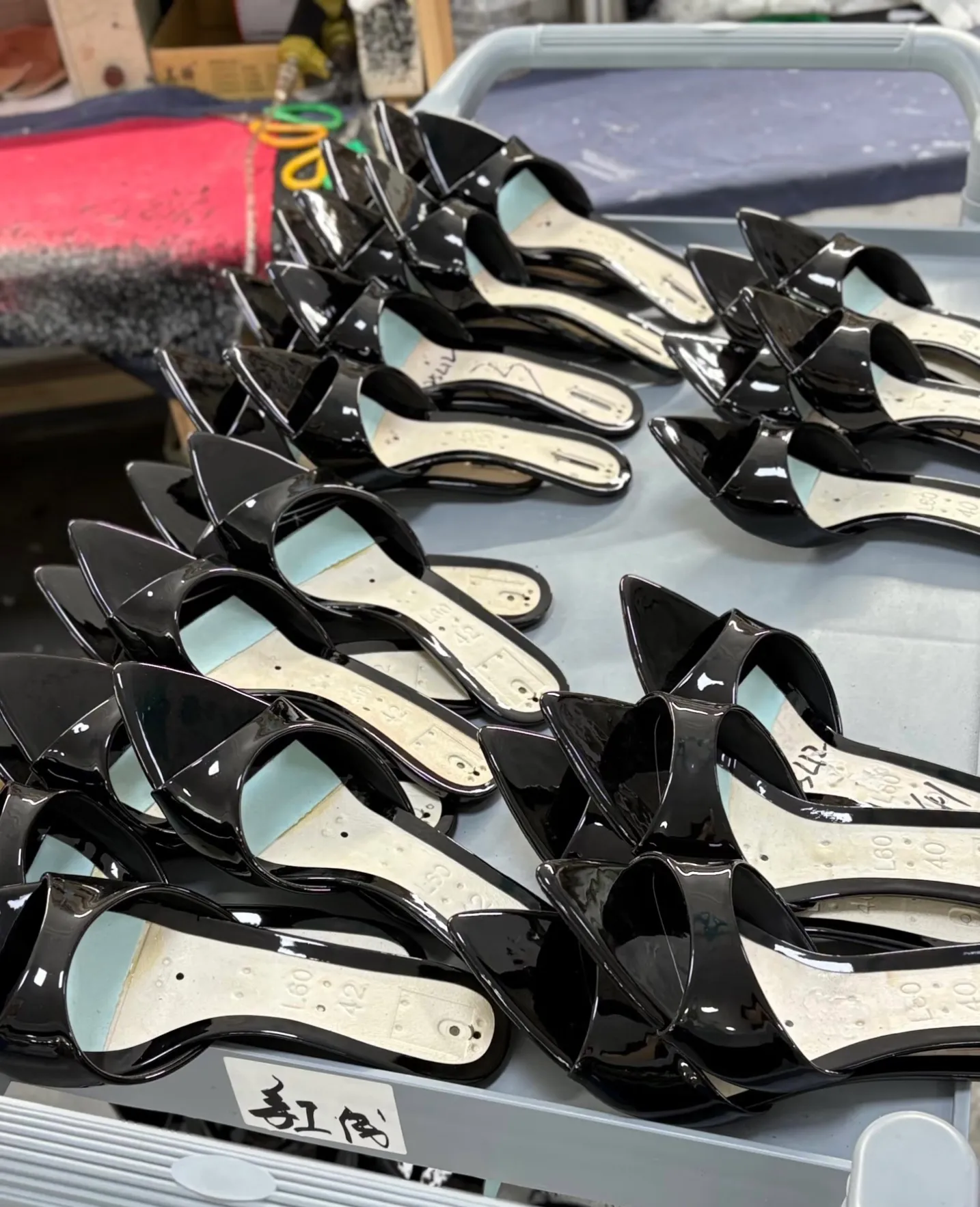
Catalogues can be reused and images can be old. Stronger evidence includes a short live video call, a dated walkthrough of the sample room, close-up views of comparable shoes, and a discussion with the person who will manage development. Ask technical questions and note whether the answers remain consistent after the call.
4. Test the supplier with a small development step
A paid sample is a practical verification tool. It shows whether the supplier can translate a brief into materials, measurements, fit and construction. Define the sample purpose, revision rules, expected timing and courier cost in writing. Peix Shoes' custom development process explains the information buyers should prepare before sampling.
Do not use sample appearance alone as proof of bulk capability. Ask how the approved sample will be controlled during production and which checkpoints will be documented.
5. Check the quotation for omissions
Confirm whether the price includes the agreed upper, lining, insole, outsole, logo method, packaging and quality standard. Ask separately about sample fees, moulds, special materials, labelling, testing, inspections and freight. A low headline price can become expensive when essential items are added later.
6. Validate production and delivery claims
Ask for a realistic sequence from material confirmation to shipment, not only a final date. The supplier should explain material lead times, sample revisions, production booking and inspection. Promises without assumptions are weak evidence. Seasonal capacity and holiday shutdowns should be discussed before the deposit.
7. Put the agreement in writing
The purchase agreement or proforma invoice should identify the product, quantity, size and colour breakdown, price term, payment schedule, delivery basis, packaging, inspection arrangement and approval reference. Confirm who owns custom tooling and what happens if the bulk order does not match the approved sample.
Vera's practical judgment
The most revealing test is consistency. A reliable partner gives the same clear answer across the sales conversation, technical discussion, quotation and invoice. I would pause a project when the supplier changes material descriptions, avoids written confirmation or pressures the buyer to pay before the product and commercial terms are defined.
Red flags that deserve a pause
- The beneficiary name changes without a documented reason.
- The supplier refuses live product or facility evidence.
- Technical answers are vague or contradict the quotation.
- The delivery date is promised before materials and revisions are discussed.
- The deposit is requested before specifications and responsibilities are written.
Frequently asked questions
Is a factory audit always required before a first order?
Not always. Risk depends on order value, product complexity and your market requirements. For a smaller trial, document checks, live verification, sampling and third-party inspection may provide a proportionate starting point. Larger or compliance-sensitive programs justify deeper auditing.
Can a supplier use another workshop?
Some footwear supply chains legitimately use specialist partners. The important issue is transparency: buyers should know who controls development, production and quality, and which processes are subcontracted.
What should I send for an initial verification?
Share the target category, reference images, quantity, market, size range, materials and required delivery window. Do not send a deposit until the supplier has answered the essential technical and commercial questions.
Conclusion
Choose a women's shoe supplier by matching identity, capability, evidence and written terms, not by price alone. A short, disciplined verification process can expose avoidable risks before they become production problems.
Primary next step: send your project brief to Peix Shoes for a product-specific feasibility discussion before sampling.