Women's Shoe Factory Audit Checklist for Importers and Private-Label Brands
Use this practical footwear factory audit checklist to verify identity, capacity, development, quality control, traceability and subcontracting.
A women's shoe factory audit should verify six things: legal identity, category capability, production capacity, quality systems, material traceability and subcontracting transparency. Buyers do not need a theatrical tour. They need evidence that the people, processes and records can support the exact heels, sandals, flats or loafers being ordered.
Choose the right audit depth
A remote review may be proportionate for a small trial order, while a larger or compliance-sensitive program may require an on-site or independent audit. Define the audit scope around product risk, order value and market requirements. Do not treat one checklist as a substitute for legal or compliance advice.
1. Business identity and site details
- Registered company name and operating address
- Relationship between contracting party, facility and bank beneficiary
- Years working in the relevant footwear category
- Main export markets and customer requirements, without requesting confidential client names
- Processes performed on site and processes assigned to partners
2. Product-development capability
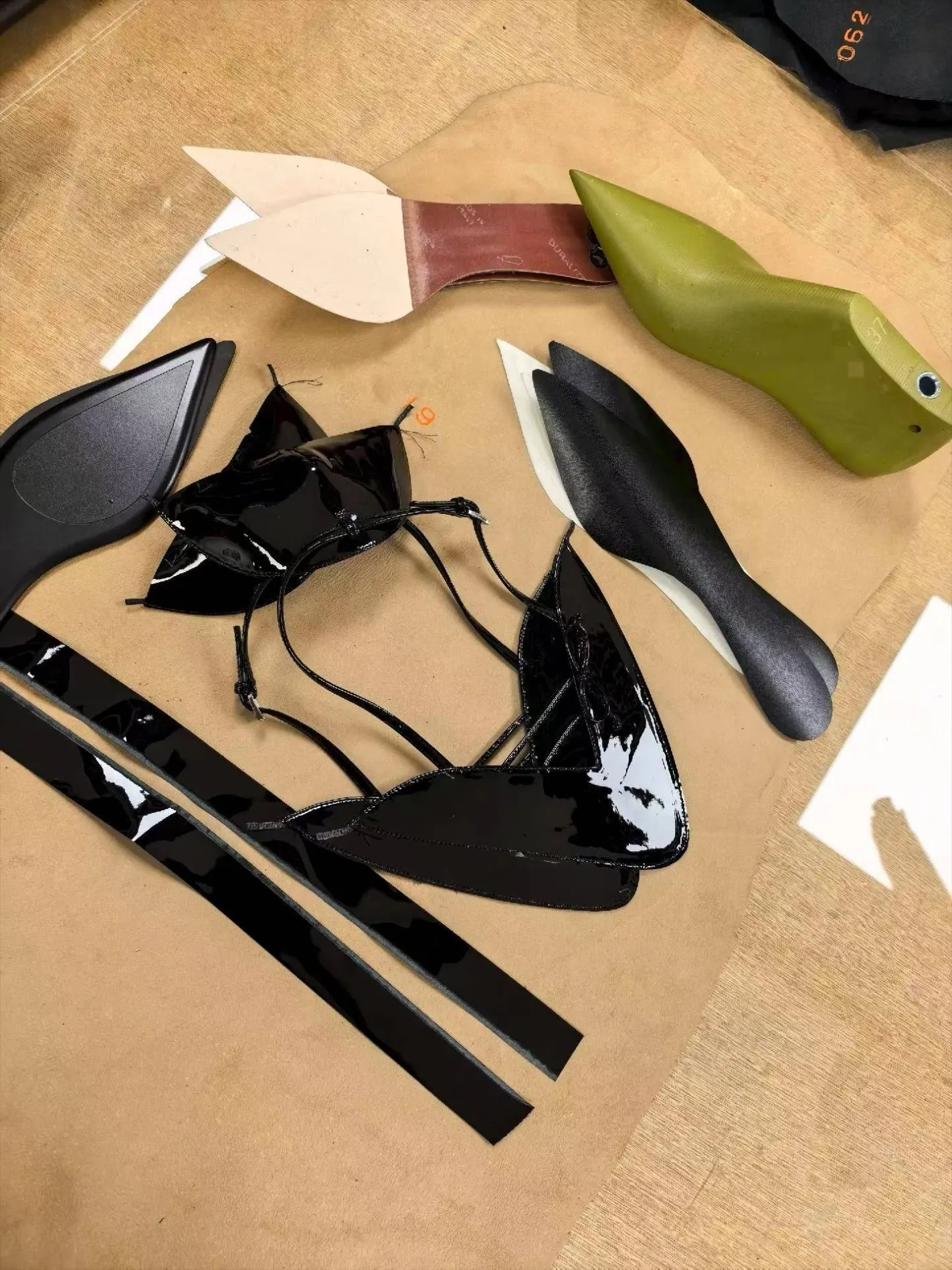
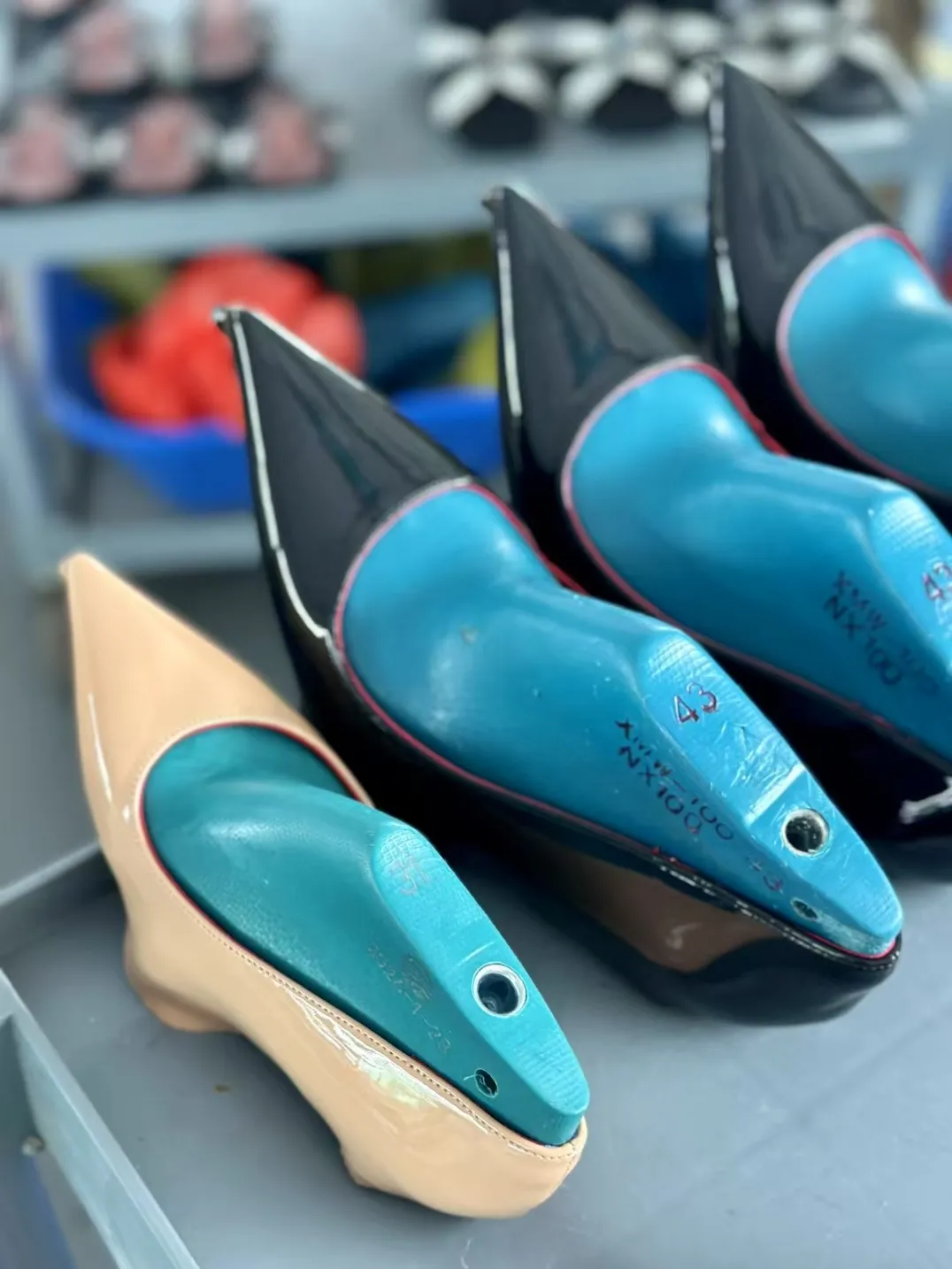
Review the sample room, pattern work, last selection and technical communication. Ask the team to explain one comparable style from brief through revisions. For high heels, verify experience with heel balance, shanks and attachment. For flats and loafers, focus on fit, topline, flex and lasting.
Use the Peix Shoes product categories to identify comparable constructions and the development workflow to prepare your questions.
3. Production flow and capacity
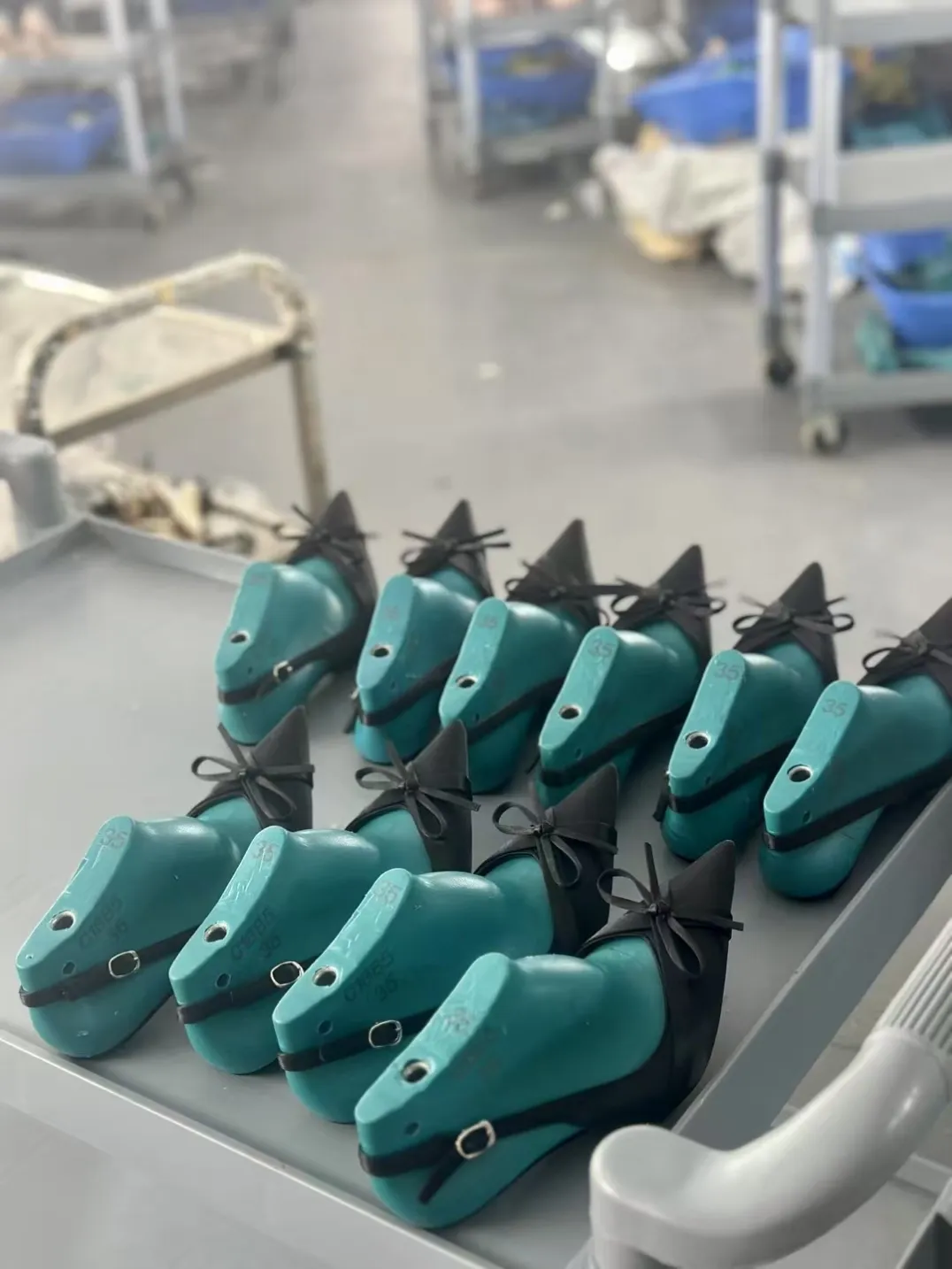
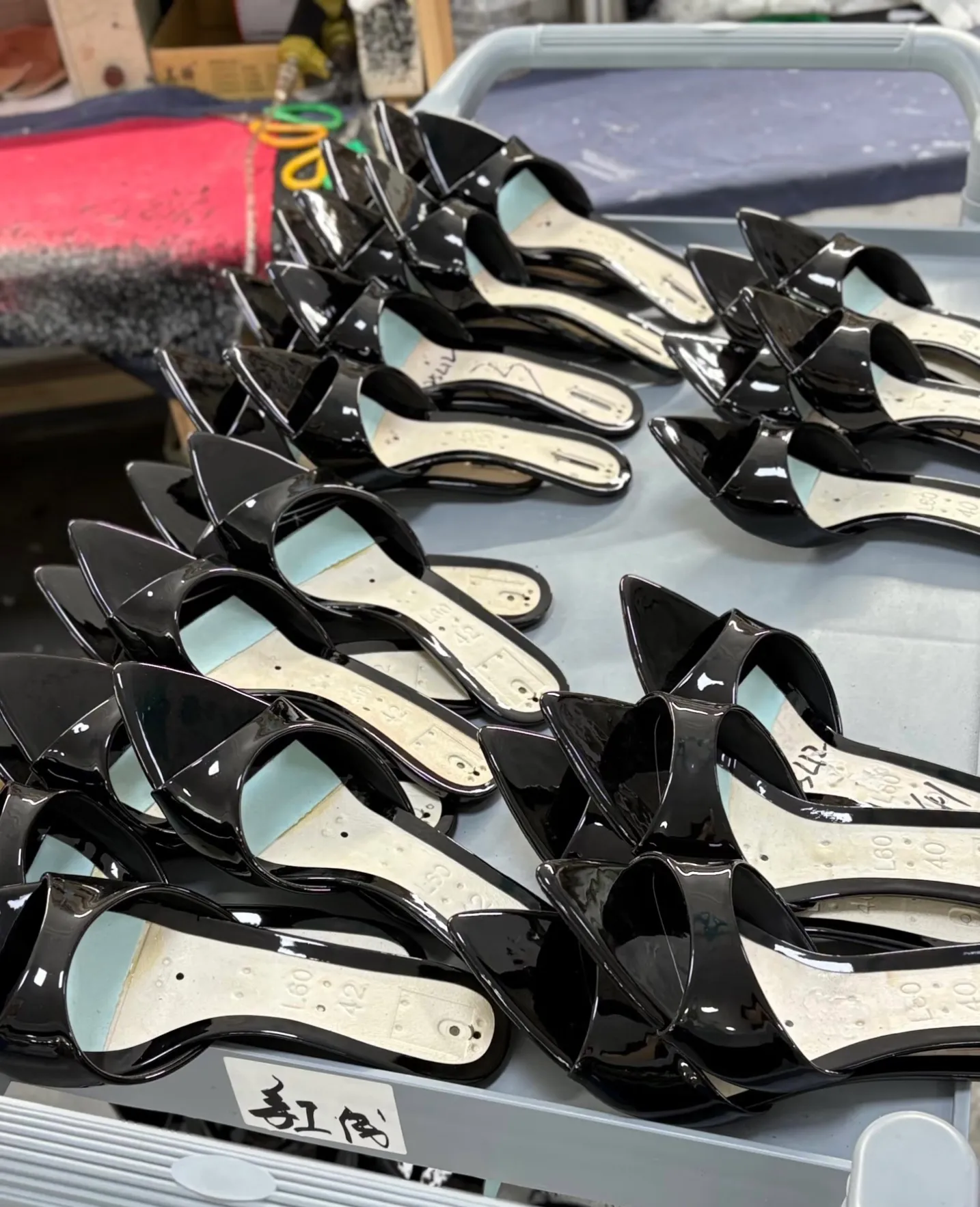
Map cutting, stitching, preparation, lasting, attaching, finishing, inspection and packing. Note which equipment and skills are relevant to your styles. Ask for planned capacity during your required production window, not only a maximum monthly figure.
Capacity evidence should connect to the order: line allocation, expected daily output, material arrival and inspection time. A crowded workshop is not proof of capacity, and an empty line is not automatically a problem if the visit occurs between orders.
4. Quality-control checkpoints
- Incoming material inspection and colour-lot control
- First-piece approval before volume production
- In-line checks for stitching, lasting and heel attachment
- Size and fitting references linked to the approved sample
- Final inspection criteria and defect handling
- Records showing who checked, when and against which standard
5. Material storage and traceability
Check how uppers, linings, components, adhesives and packaging are identified and protected. Materials should be traceable to a style, colour or production lot. Ask how the team prevents approved materials from being replaced without authorisation.
6. Subcontracting control
Women's footwear commonly uses specialist component suppliers. The audit should distinguish normal component sourcing from undisclosed transfer of core production. Ask which operations may move outside, how partners are approved and how incoming work is inspected.
7. People, safety and market requirements
Review relevant working conditions, safety controls and documentation required for your destination market. Required evidence varies by product and country. Never assume a general certificate covers a specific chemical, labelling or social-compliance requirement.
Evidence to retain
- Audit date, scope and facility address
- Names and roles of people interviewed
- Permitted photos or live-video evidence
- Process map and subcontracting statement
- Capacity assumptions for the intended order
- Corrective-action list with owner and deadline
Vera's practical judgment
The most useful audit question is, “Show me how this requirement is controlled.” A verbal “we check quality” is weak. A current work instruction, approved reference, inspection record and responsible person form a credible control chain. I would not approve production while major findings have no named owner or completion evidence.
Frequently asked questions
Can a remote factory audit be reliable?
It can support early qualification when live views, dated documents and project-specific questions are used. It offers less assurance than an independent on-site review and should be matched to the risk.
Should buyers demand every certificate?
No. Request documents relevant to the product, destination market and buyer policy. Verify scope, issuer, facility name and validity rather than collecting unrelated logos.
What happens after the audit?
Classify findings by risk, agree corrective actions and verify closure before the affected production stage. An audit without follow-up is only a snapshot.
Conclusion
A useful footwear factory audit connects claims to evidence and evidence to your order. Focus on the exact category, current production window, documented controls and transparent responsibility.
Primary next step: send Peix Shoes your audit priorities so the project discussion can address the evidence your company requires.