Material Substitution in Women's Shoe Production: How Buyers Can Control Change Risk
A change-control method for buyers assessing substitute uppers, linings, soles, heels and components before women's shoe production.
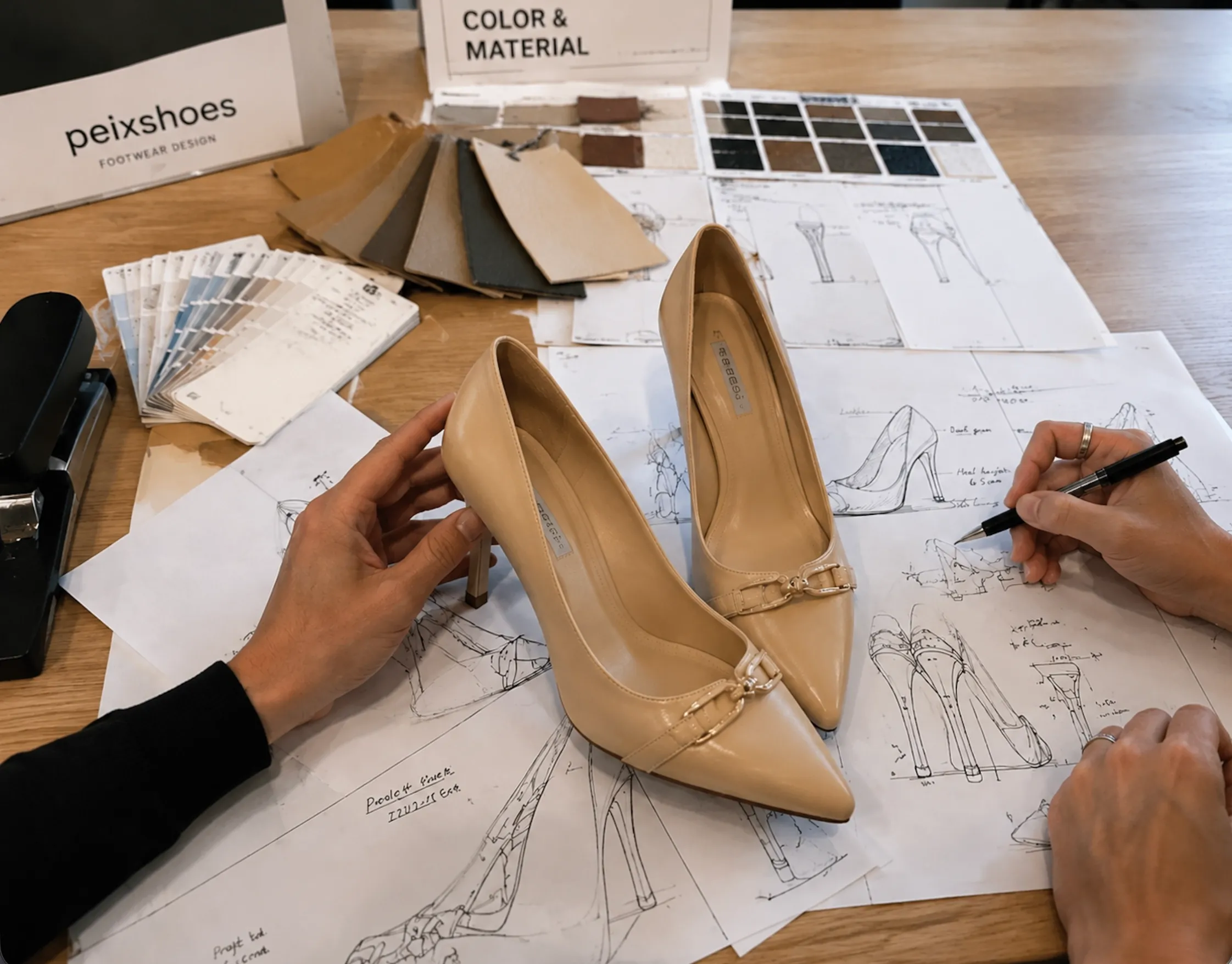
Material substitutions can happen because a colour lot is unavailable, a component minimum is too high or a lead time changes. The risk is not the suggestion itself; the risk is approving a substitute without checking its effect on fit, appearance, durability, cost, MOQ and delivery.
Treat every substitution as a controlled change
The supplier should identify the original specification, proposed alternative, reason for change and affected quantity. The buyer should decide whether approval requires a swatch, component sample, revised shoe sample or additional test. Verbal approval in a scattered chat is not enough.
Compare more than colour
- Thickness, softness, stretch and recovery.
- Surface finish, shade and lot consistency.
- Stitching, folding, lasting and adhesive behaviour.
- Comfort, breathability and contact with the foot.
- MOQ, price, availability and repeat-order continuity.
- Any effect on labels, testing or compliance information.
For heels and high-heel sandals, also check strap stretch, heel covering and balance. For flats and loafers, check topline tension, vamp creasing and flex.
Approve the substitute on the actual construction
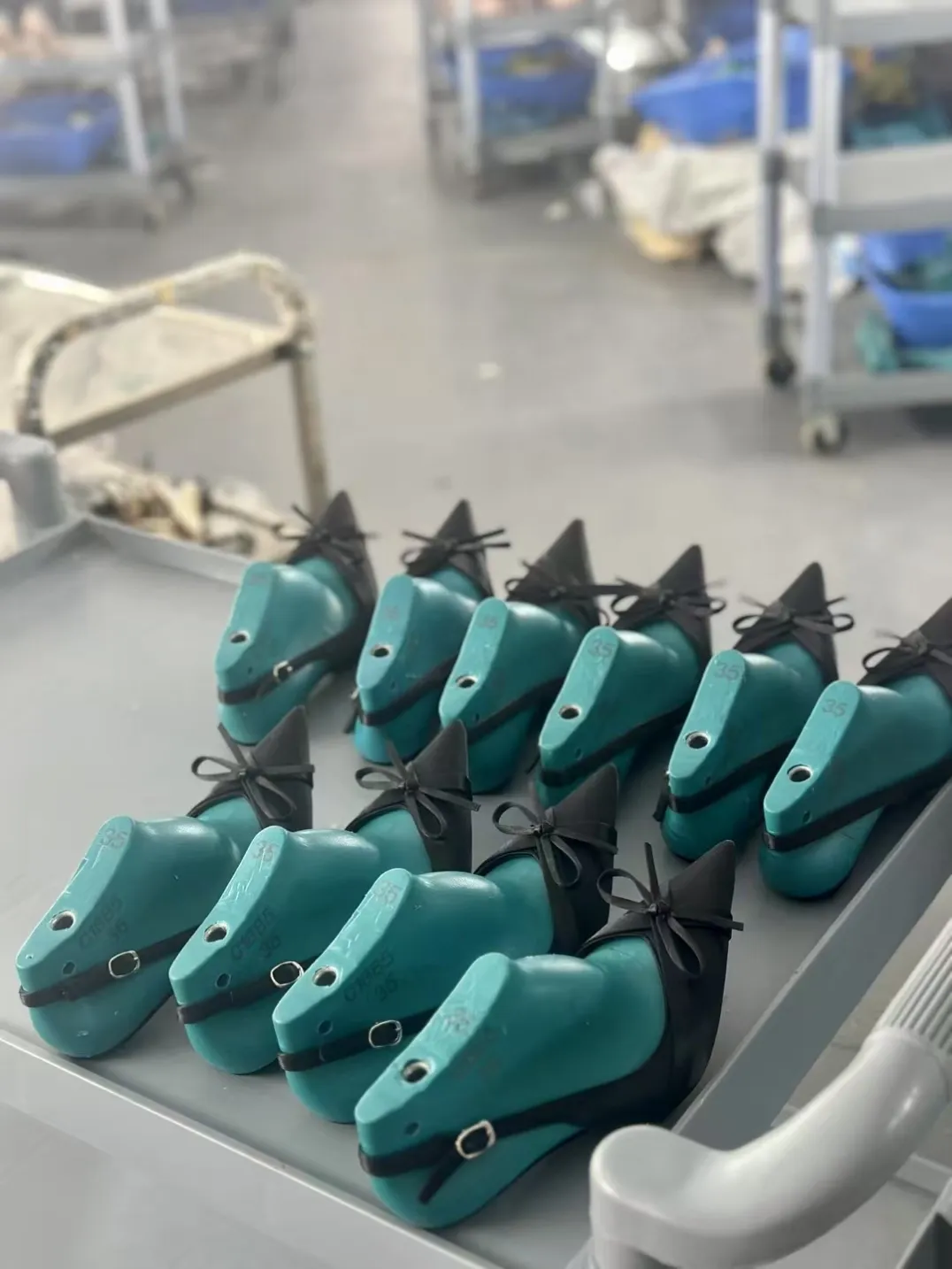
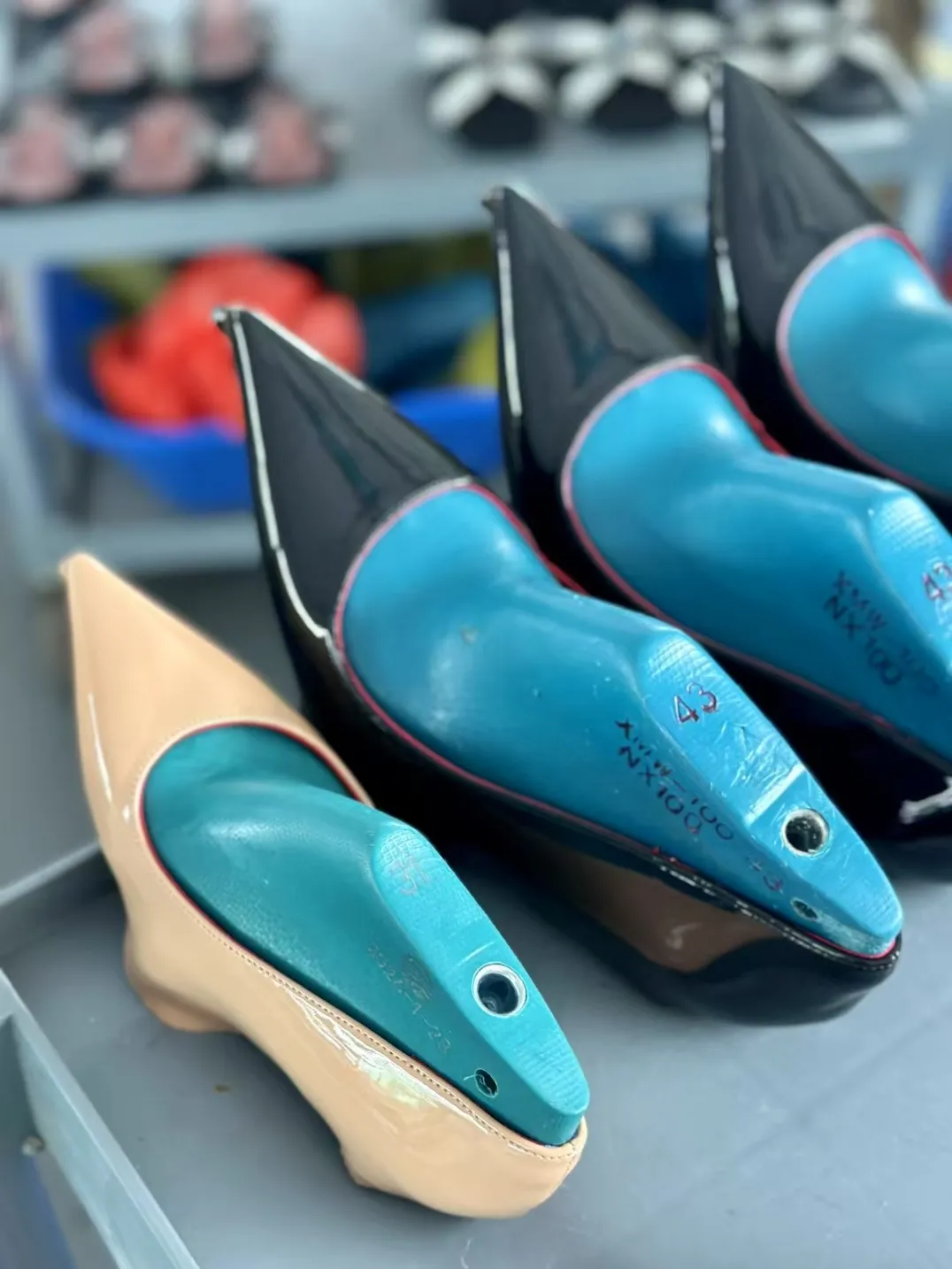
A loose swatch cannot show how a material behaves around a toe curve or under lasting tension. When the change can affect fit or construction, review it on the shoe. Record photographs, measurements, date, version and approval owner. Use the custom development workflow to keep decisions connected to the current sample, and compare categories on the products page.
Protect repeat orders
Update the bill of materials and approved reference after a change. Otherwise the next reorder may silently return to the old material or use another alternative. Ask whether the substitute is a one-time solution or a repeatable option.
Vera's practical judgment
I would reject “same quality” as an approval explanation. A useful substitution request must show what is the same, what is different and what evidence supports the conclusion. If the change touches fit, safety or a visible selling point, the buyer should see it before bulk production continues.
FAQ
Is a lower-cost substitute always a problem?
No, but the commercial benefit should be weighed against product performance, brand position and repeatability.
Can a material be changed after sample approval?
Only through a documented reapproval process appropriate to the risk.
What should be updated after approval?
Update the specification, bill of materials, approved reference, cost record and any affected compliance documents.
Next step
Send the original and proposed material references for a product-specific change review.