What Should a Women’s Footwear Line Sheet Include? A Wholesale Buyer’s Checklist
Learn which product and ordering details importers, wholesalers, retailers and private-label brands should request before reviewing a women’s footwear collection.
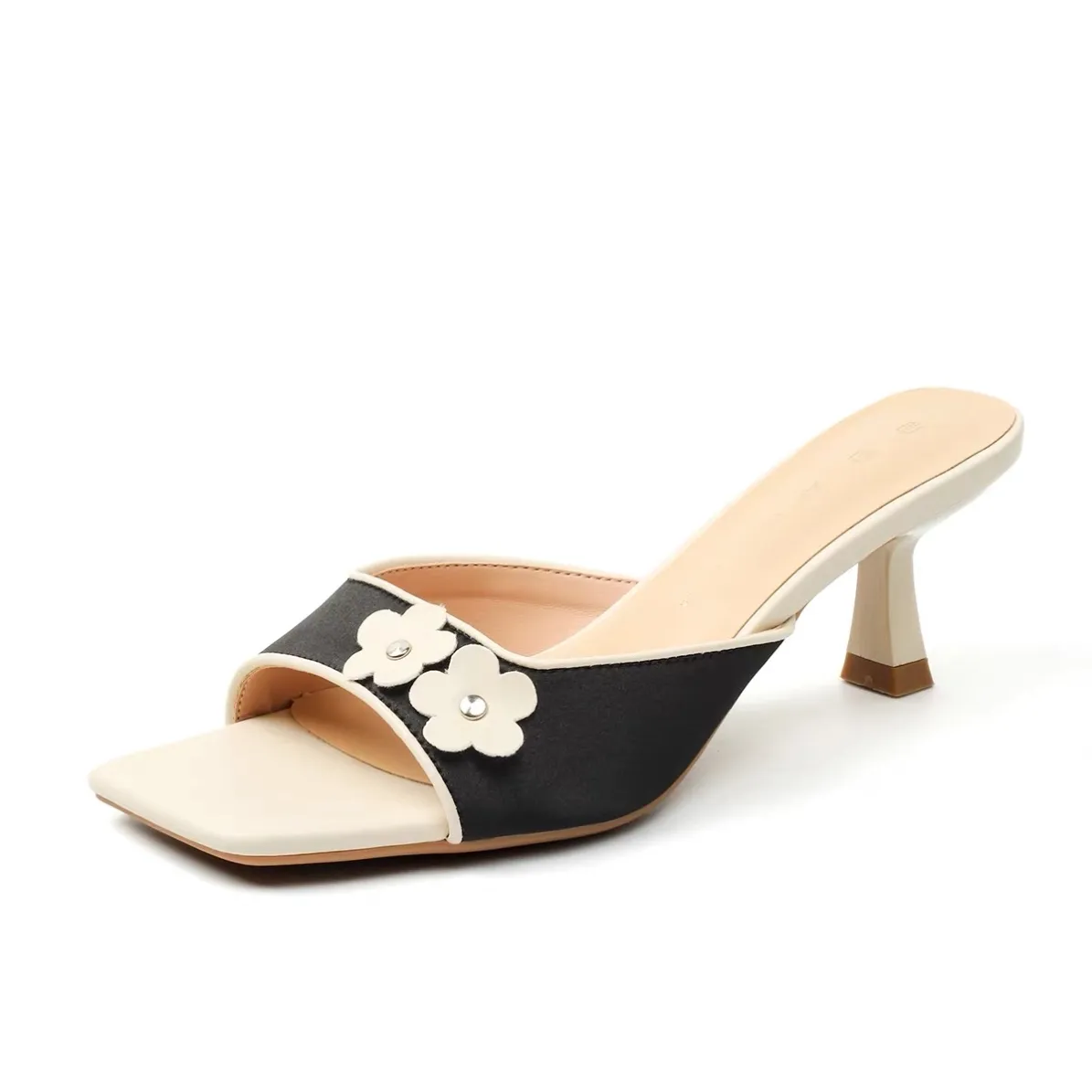
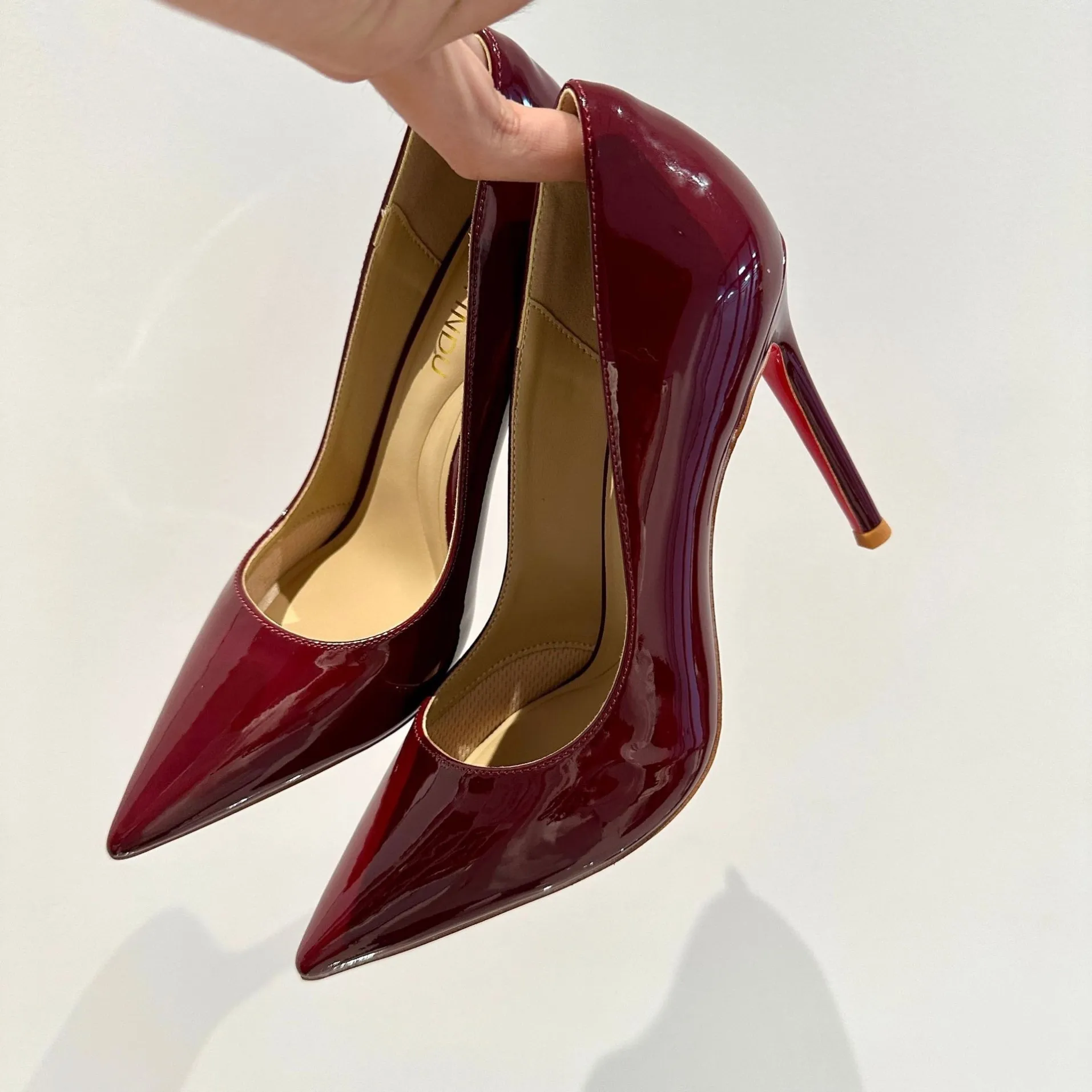
A line sheet should help a buyer make a quick first decision. It is not just a catalogue of attractive images. For women’s heels, high-heel sandals, flats and loafers, the document should connect each style with the information needed for assortment planning and an initial supplier discussion.
1. Clear product photos
Each style should have consistent front, side and detail photos. Buyers need to see the toe shape, heel, straps, sole and finishing clearly.
2. Style name or reference
Every product should have a unique style name or reference number. This prevents confusion when a buyer asks about colours, samples or revisions.
3. Product category
Identify whether the style is a heel, high-heel sandal, flat or loafer. Category labels make the line sheet easier to scan and compare.
4. Available colours and development options
Show current colour options separately from possible custom colours. If materials, trims or heel shapes can be developed, explain this clearly without promising options that have not been confirmed.
5. Size information
Include the available size range when confirmed. If sizing is developed according to the buyer’s target market, state that the final range should be agreed during development.
6. MOQ information
Separate stock-style ordering from custom development. On the Peix Shoes website, custom styles start from about 160 pairs per design and colour. Packaging and branding requirements may also affect the minimum.
7. Sampling and development timing
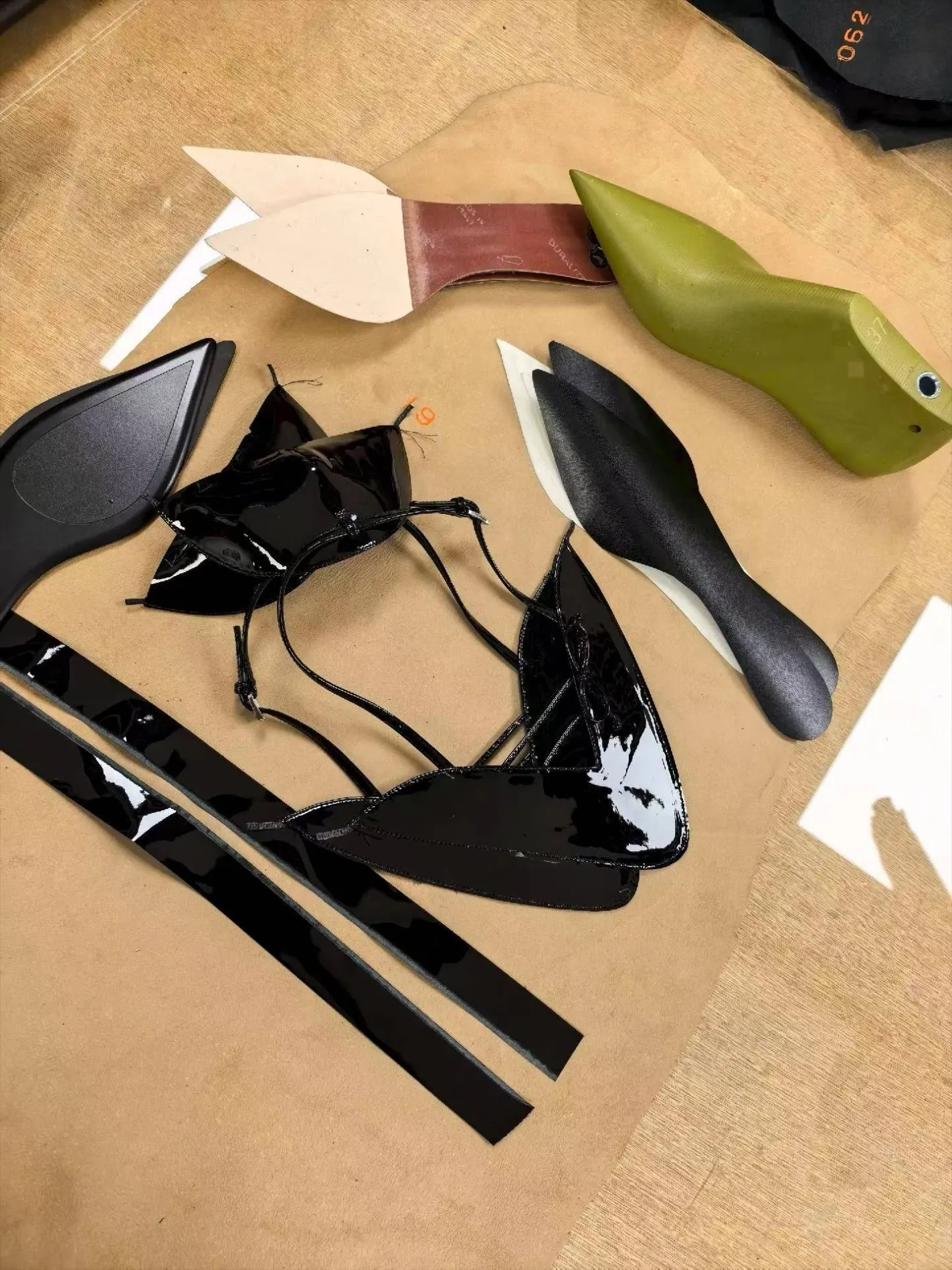
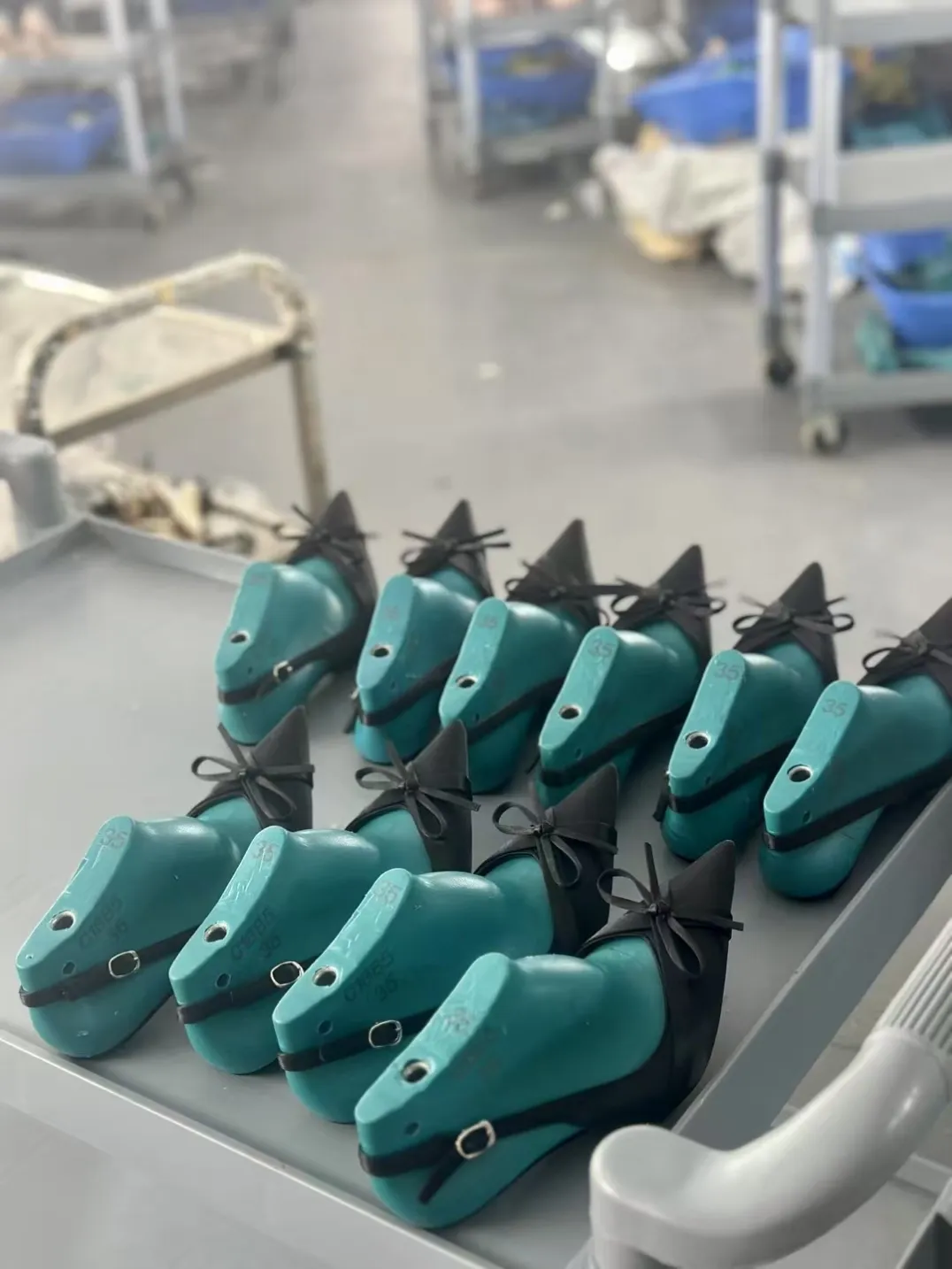
Tell buyers how the first sample is planned and what information is needed before development begins. Peix Shoes currently describes first-sample development as about 10 days, subject to the brief and materials.
8. Branding and packaging
A useful line sheet should show whether private-label branding, shoe boxes, labels and other packaging details can be discussed as part of the project.
9. Commercial planning information
Buyers may need target price, delivery window, payment terms and inspection requirements before placing an order. These details can be provided during the quotation stage when the product brief is clear.
10. One simple next step
Do not give buyers several competing actions. A line sheet should direct them to one clear next step, such as requesting the current collection or sending a reference image for development.
A strong line sheet reduces back-and-forth communication. It helps a buyer shortlist relevant styles before discussing materials, quantities and customization in detail.
Explore the current Peix Shoes product collection and review the custom development process.
Request the current line sheet through Contact Peix Shoes.