Sep 27, 2026Buying Guides
How to Reduce Women's Shoe Size Returns Before Bulk Production
A practical fit-control guide for importers and private-label brands reducing women's shoe size returns before bulk production.
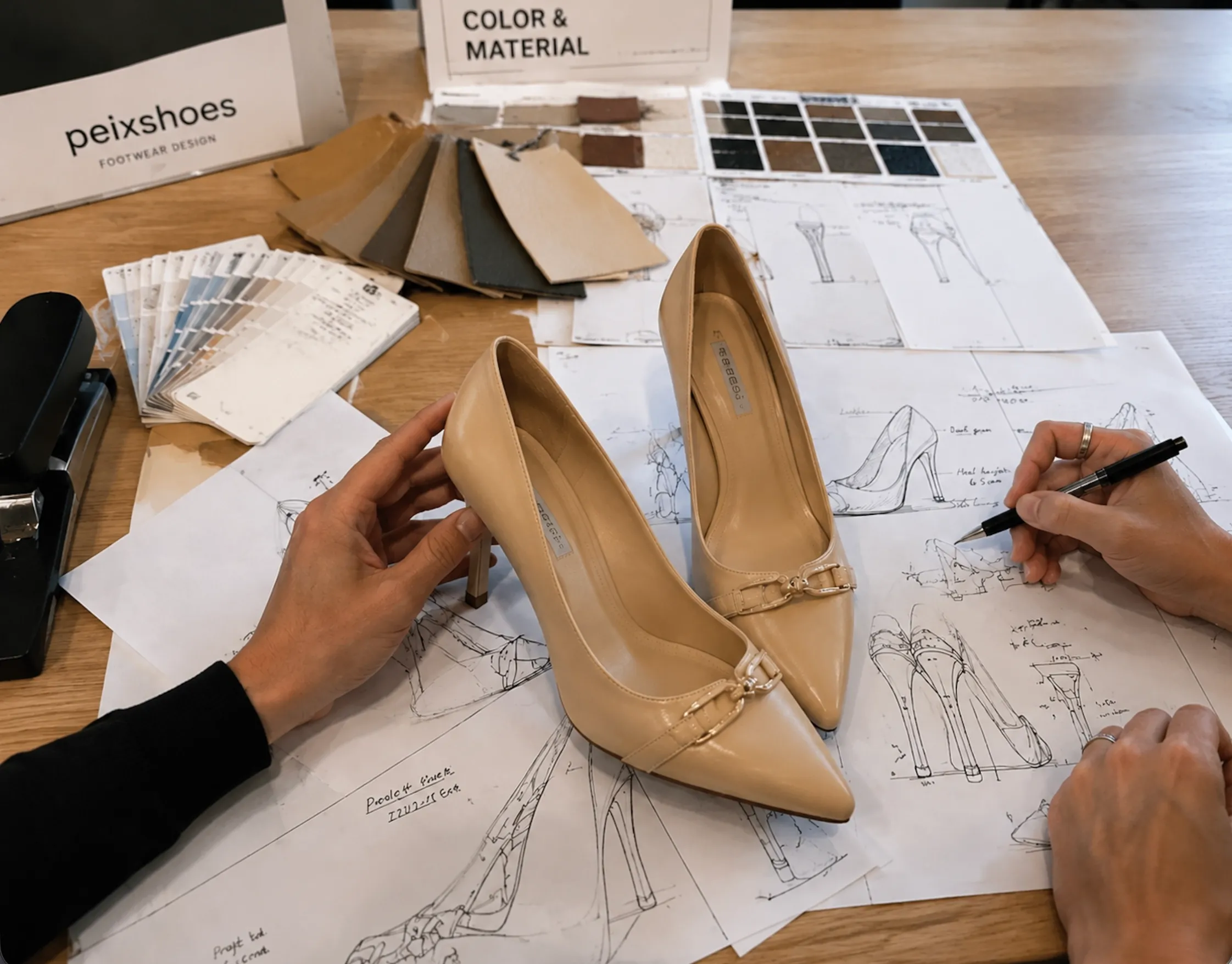
Size-related returns are one of the most expensive problems in women's footwear. They create reverse-logistics costs, tie up inventory and weaken customer confidence. Yet many apparent sizing problems begin before production: an unclear target fit, incomplete measurements, an unrepresentative fitting sample or a size chart copied from another last.
For importers, wholesalers, retailers and private-label brands, the goal is not to promise that every foot will fit one standard. The goal is to define the intended fit, test it with evidence and keep that fit consistent from the approved sample through bulk production.
1. Define the target customer before discussing size
A size number has little meaning without a target market and fit profile. Start by documenting the selling market, customer age range, typical foot width, intended wearing occasion and whether the style is designed for bare feet, hosiery or socks.
A pointed pump, high-heel sandal, ballet flat and loafer can all feel different in the same labelled size. Toe shape, topline, strap position, heel pitch and material flexibility influence perceived fit. The technical brief should therefore describe the intended fit as well as the size range.
2. Use measurable fit points
Do not approve a sample using only comments such as “slightly tight” or “too loose.” Record measurable points that can be checked again:
- internal length and ball girth;
- forepart width and toe-box shape;
- instep circumference;
- topline opening;
- strap length and hole positions;
- heel-seat width and heel counter position;
- insole thickness and usable internal space.
The relevant points depend on the construction. For high-heel sandals, strap placement and foot slide are critical. For loafers, instep hold and heel slip deserve special attention. For flats, topline pressure and heel grip often decide whether the shoe feels secure.
3. Build a product-specific size chart
A generic foot-length chart is not enough. The product page should explain how the customer should measure the foot and whether the style fits narrow, regular or generous. If a style differs from the brand's established fit, disclose the difference instead of forcing it into the old chart.
Keep the chart connected to the approved last and finished shoe measurements. When a last, upper material, lining or insole changes, review the fit chart again.
4. Test more than one wearer
One fitting result cannot represent an entire market. Use several suitable wearers around the base size and record foot length, ball girth, normal shoe size and comments. Ask them to walk, stand, turn and use stairs where appropriate.
Separate objective observations from personal preference. A wearer may prefer more toe space, but visible heel lifting, foot slide, strap pressure or unstable heel contact indicates a construction issue that needs investigation.
5. Approve the fit sample in writing
The approved fit sample should have a version number and date. Record the last reference, size, materials, insole specification, heel height, outsole and every accepted adjustment. Photos should show the key measurement points and fit observations.
This record becomes the reference for later samples and bulk inspection. Verbal approval creates avoidable disputes when multiple revisions have been made.
6. Check size grading, not only the base size
A base-size sample can fit well while smaller or larger sizes grade poorly. Before bulk production, check at least the relevant edge sizes and confirm how length, width, straps and decorative components change across the range.
Pay particular attention to fixed ornaments, buckles and vamp lines. A component that looks balanced in the base size may be misplaced at either end of the size range.
7. Control materials that change fit
Fit can change even when the last remains the same. Upper thickness, lining stretch, foam density, toe reinforcement and lasting tension all affect internal space. Bulk materials should match the approved sample, or any substitution should be reviewed before use.
For soft uppers, consider how the material behaves after wear. For structured pumps and loafers, check pressure points before assuming the shoe will “break in.”
8. Compare bulk production with the approved sample
During production and pre-shipment inspection, compare selected pairs against the approved sample and measurement record. Check size marking, pair matching, internal length, critical girths, straps and foot entry. Measurements should cover several sizes and cartons, not only one convenient pair.
Any tolerance should be agreed before production. A tolerance is not permission for uncontrolled variation; it is a defined acceptance range tied to the product's construction and fit sensitivity.
9. Plan the size curve with sales evidence
Fit control reduces returns, but the order also needs a commercial size curve. Review previous sell-through, return reasons and target-market data. Avoid copying another retailer's size ratio without understanding its customer base.
For a first order, keep assumptions visible and review them after launch. Distinguish “too small,” “too large,” “too narrow,” “heel slip” and “style preference” rather than grouping every return under “size issue.” This creates better evidence for the next order.
10. Give customers clear fit guidance
Use consistent product-page language, on-foot images and a simple measuring method. Tell customers when a pointed toe, high vamp or fixed strap changes the fit experience. Clear guidance is more useful than automatically recommending one size larger for every buyer.
Questions buyers should ask before bulk production
- Which last and base size were used for the approved sample?
- Which finished-shoe measurements will be controlled?
- Were smaller and larger sizes checked after grading?
- Are bulk materials identical to the fit sample?
- What tolerance applies to the critical measurements?
- How will size labels, pair matching and carton quantities be verified?
Frequently asked questions
Can a supplier guarantee zero size returns?
No responsible supplier can guarantee that every consumer will choose the correct size. A documented fit process can reduce preventable inconsistency and give the buyer better information for merchandising and customer guidance.
Should buyers always order one size larger for pointed heels?
No. Fit depends on the last, toe shape, materials and construction. Test the actual style and publish style-specific guidance rather than applying one rule to every pointed shoe.
When should size grading be checked?
Check grading before bulk production, especially at the small and large ends of the planned range. Recheck when the last, materials or construction changes.
A practical next step
Send Peix Shoes your reference image, target market, intended size range and current fit concerns through the project inquiry form. We can review whether the brief contains enough fit information to begin a women's footwear development discussion.