How to Source Private-Label Wide-Fit Women's Shoes: A Buyer's Development Checklist
A practical guide to wide-fit women's shoe lasts, measurements, sampling, grading, materials, MOQ and quality control for private-label buyers.
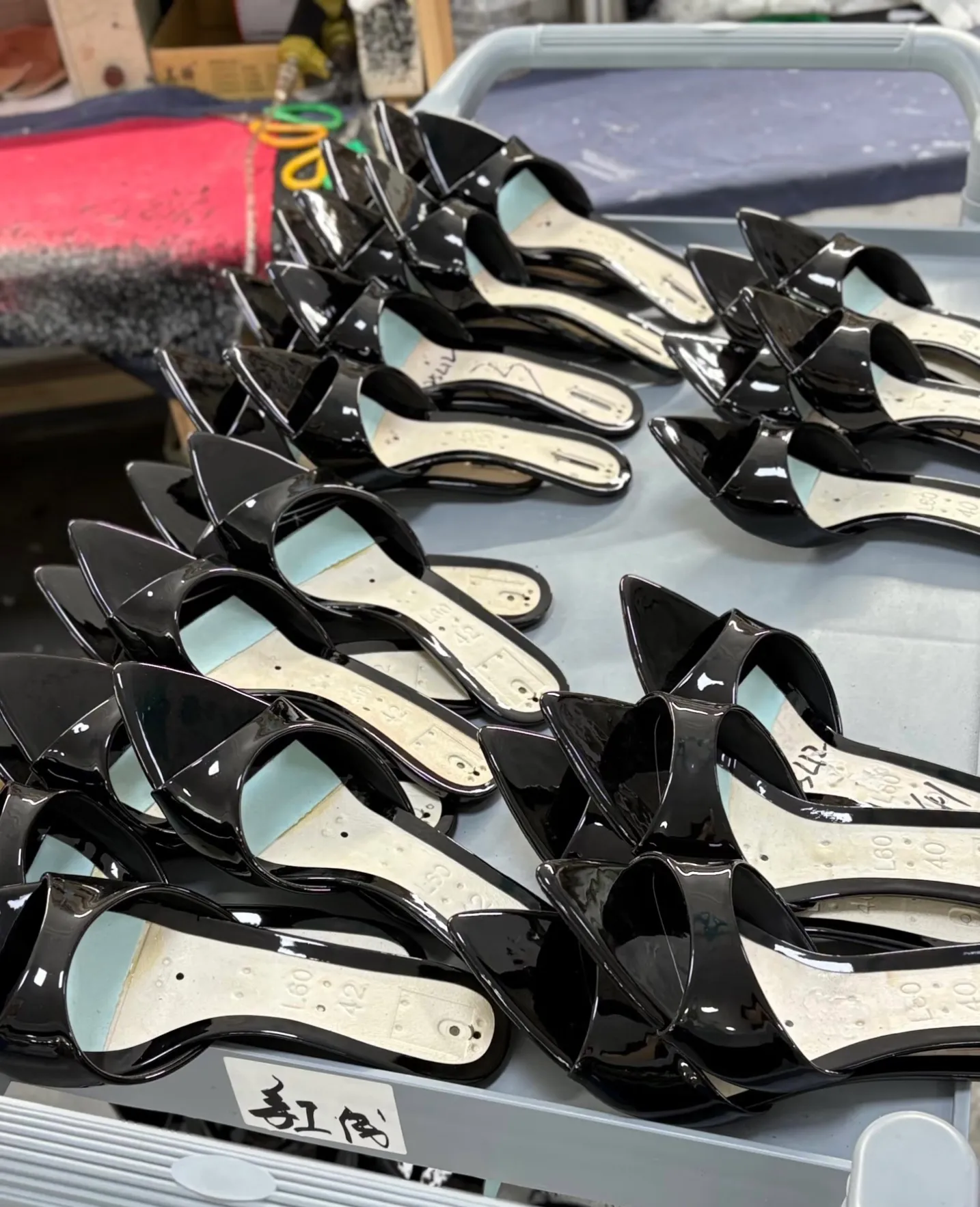
Short answer: sourcing a private-label wide-fit women's shoe requires more than ordering a standard style in a larger size. The buyer must define where extra room is needed, select or develop the right last, adjust the upper pattern and components, test on suitable fit wearers and control the approved measurements in bulk production.
The commercial opportunity is clear: customers searching for wide-fit heels, flats and loafers often want fashion choices without forefoot pressure or heel instability. The development risk is equally clear. Adding volume everywhere can create heel slip while the toe area still feels tight.
What does "wide fit" mean in women's footwear?
Wide fit is a product specification, not a universal label. It can involve ball width and girth, toe-box depth, instep volume, waist shape, heel width and the way those measurements grade through the size range. A buyer should define the target market and fit standard instead of asking a supplier simply to "make it wider."
Vera's practical judgment: the most common mistake is widening the shoe without controlling the heel and waist. The forefoot may gain space, but the foot then moves inside the shoe. A successful wide fit gives room where it is needed and still holds the rearfoot securely.
8 development decisions buyers should make
1. Define the target customer and use case
Specify the country or market, product category, intended wear and customer feedback that supports the project. A wide-fit office pump, occasion sandal and everyday loafer will need different hold, flexibility and wear testing.
2. Record the measurements that matter
Do not rely only on outsole width. Ask the development team to record key last and finished-shoe measurements such as ball width, ball girth, instep girth, toe depth, internal length and heel width. The exact set depends on the style and construction.
3. Choose an existing wide last or develop a new one
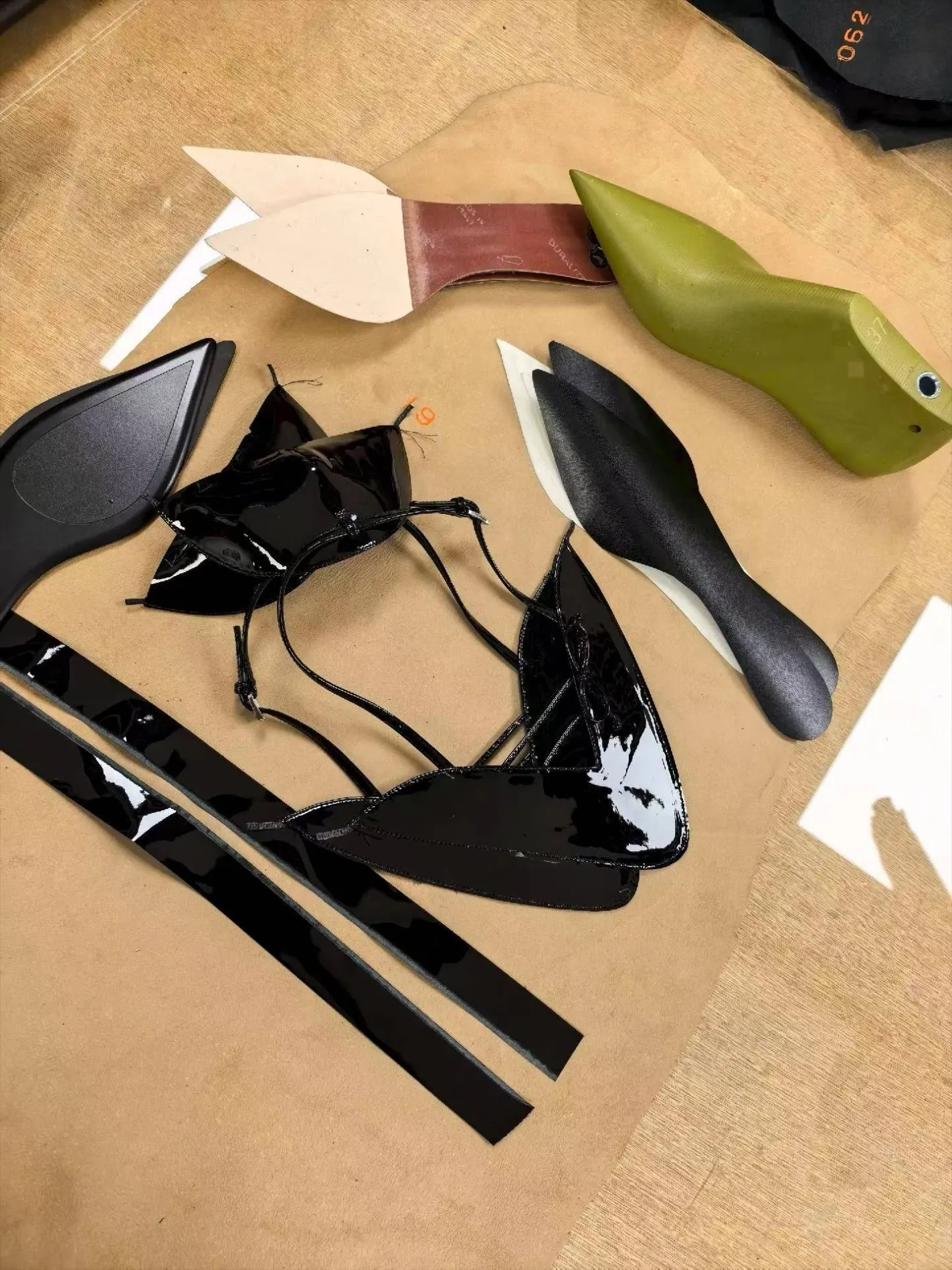
An existing last may shorten development when its shape and grading suit the target market. A new or modified last may be needed when the brand requires a specific toe shape, fit profile or size range. Confirm tooling cost, ownership, storage and reuse before approving custom last work.
4. Adjust the upper pattern, not only the last
The pattern must work with the new volume. Pumps need topline control and heel hold. Sandals need strap lengths and positions that accommodate the foot without allowing forward slide. Loafers need vamp and instep balance so entry is practical but retention remains secure.
5. Select materials for controlled give
Softness can improve initial feel, but uncontrolled stretch may change fit during wear. Specify upper material, backing, lining, reinforcements and seam positions. Review whether edges or overlays create local pressure in the forefoot or instep.
6. Plan the size range and grading
A good sample in one size does not prove the full range. Confirm how width, girth, toe volume and heel hold will grade into smaller and larger sizes. Include edge sizes in later confirmation when the commercial size run makes this important.
7. Separate fit approval from appearance approval
The sample can look correct while the fit is still wrong. Use a written fit report that records tester size, foot characteristics, pressure points, heel movement, entry, flex and wear duration. Keep visual comments in a separate section so fit decisions are not lost.
8. Define production controls
Record the approved last, pattern version, components, materials and key measurements. Bulk inspection should compare the production shoes with the approved sample and agreed tolerances, including left-right consistency and representative sizes.
A practical wide-fit sample plan
- Brief: target market, style, size range, width goal, reference images and customer fit evidence.
- Last review: compare an available last with the required toe, ball, instep, waist and heel profile.
- First sample: review appearance, entry, hold, pressure and walking stability.
- Fit revision: identify whether each issue comes from the last, pattern, material or component.
- Confirmation sample: repeat the same fit and wear test with changes documented.
- Size confirmation: check selected additional sizes when grading risk is meaningful.
- Bulk control: inspect against the signed sample and measurement record.
The Peix Shoes custom-development page explains the broader process from buyer brief through sampling and production preparation.
How MOQ and tooling affect the project
MOQ depends on the development route, materials, colours, components, branding and packaging. Peix Shoes currently describes custom development as starting from about 160 pairs per design and colour. A new last, outsole or heel mould can add tooling work and may change the practical minimum or cost structure.
Ask the supplier to separate sample fees, last or mould charges, production price, branding, packaging and testing or inspection requirements. This makes it easier to compare development options instead of choosing from one incomplete unit price.
Questions to ask before approving bulk production
- Which last and pattern version are approved?
- What fit measurements and tolerances will be controlled?
- Which sizes were physically checked?
- Where should the shoe feel secure, and where should it allow room?
- Have material stretch and lining pressure been assessed?
- Do heel hold and walking stability remain acceptable?
- Will bulk inspection compare representative sizes with the signed sample?
Buyers can review current heels, sandals, flats and loafers in the Peix Shoes product collection before deciding whether to adapt an existing direction or start a new development.
Frequently asked buyer questions
Is wide fit the same as sizing up?
No. Sizing up adds length and changes other proportions. A wide fit should address width, girth or volume while preserving appropriate length and heel hold.
Can a standard last be modified for wide fit?
Sometimes, but the decision depends on how much change is needed and whether the resulting toe, waist, instep and heel proportions remain suitable. Significant changes may justify a dedicated last.
Should buyers use one fit wearer?
One consistent primary fit wearer helps comparison, but additional suitable testers can reveal whether a change solves one person's issue or supports the intended customer group.
When should the buyer stop the project?
Do not approve production while the team cannot explain heel slip, forefoot pressure, inconsistent sizing or how the approved fit will be controlled in bulk.
Developing a wide-fit collection? Send Peix Shoes your reference style, target market, size range and known fit problem so the discussion begins with measurable requirements.