How to Compare Women's Shoe Supplier Quotations Without Choosing the Wrong Low Price
A practical method for comparing women's footwear quotations by specifications, included costs, MOQ, quality assumptions and delivery terms.
To compare women's shoe supplier quotations fairly, first make every supplier quote the same product scope. Align materials, construction, size range, colour quantities, logo, packaging, quality standard, delivery term and excluded charges. The lowest unit price is not the lowest-risk offer when essential specifications or services are missing.
Why footwear quotations are hard to compare
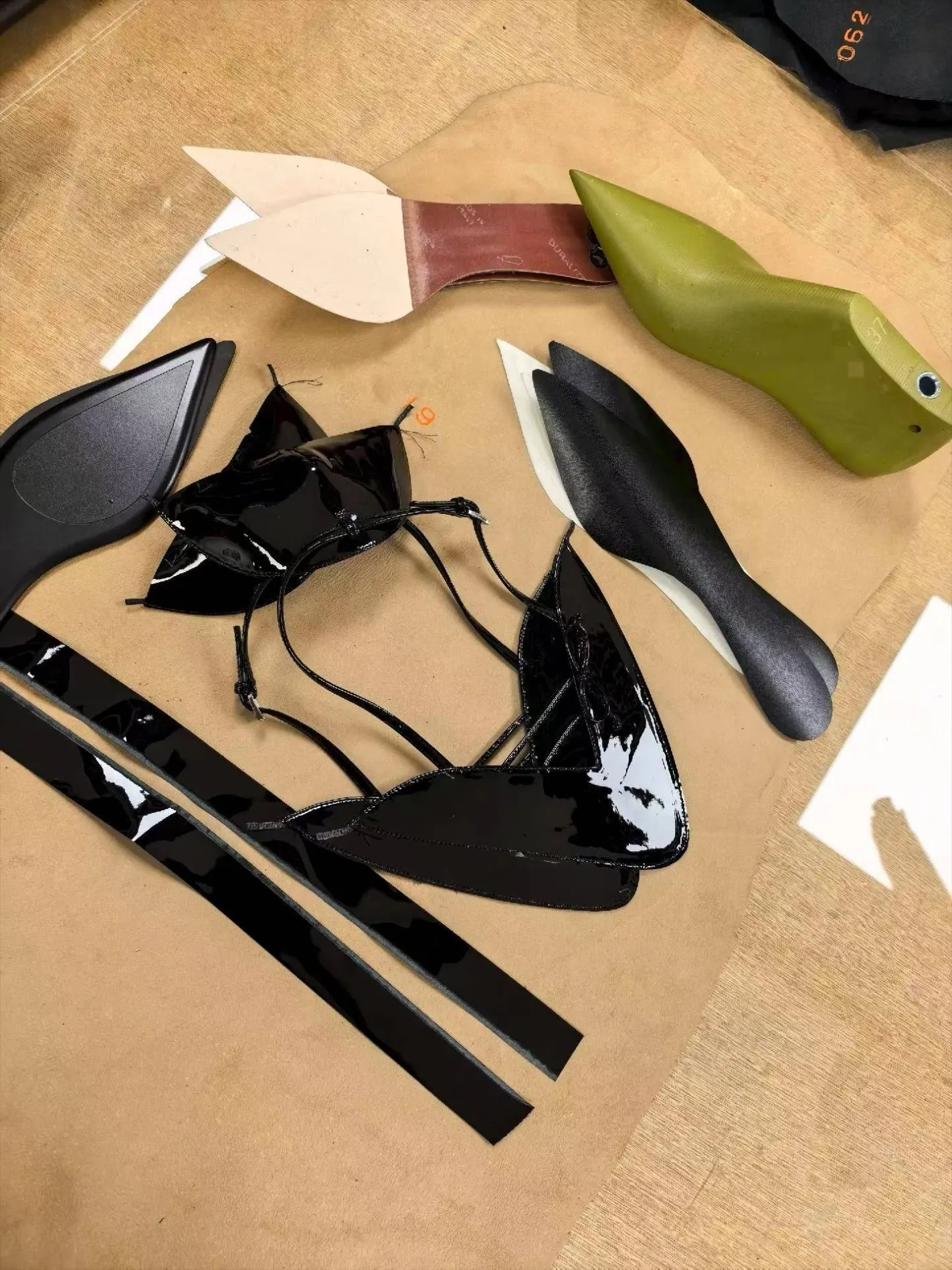
Two shoes can look similar in a photo but use different uppers, linings, insole systems, heel components and finishing standards. Suppliers may also quote different MOQs, packaging, Incoterms or testing assumptions. Price comparison without scope comparison rewards omissions.
Build a quotation comparison sheet
Create one row for each commercial and technical item and one column for each supplier. Use “included,” “excluded,” “optional” or “not confirmed” rather than leaving cells blank.
- Style and version number
- Upper, lining, sock and outsole materials
- Heel height, construction and key components
- Size range and size breakdown
- MOQ per design, colour and material
- Logo method and packaging
- Sample, mould and setup fees
- Inspection, testing and documentation
- Incoterm, currency and quotation validity
- Sample and bulk lead-time assumptions
1. Standardise materials and construction
“PU upper” is not a complete specification. Ask for finish, thickness or approved swatch reference where relevant. Confirm lining, insole, outsole and heel materials. If one supplier recommends a substitute, record the effect on appearance, performance, MOQ and price.
Use the Peix Shoes women's footwear range to identify comparable categories before requesting quotations.
2. Separate recurring and one-time costs
List the unit price separately from sampling, moulds, lasts, logo plates, colour matching, packaging setup and courier charges. Clarify whether tooling can be reused for repeat orders and who owns it. A higher first-order total may result in a lower repeat-order cost, or the reverse.
3. Compare MOQ on the same basis
One quotation may show MOQ per colour while another shows MOQ per design. Material suppliers can impose separate minimums. Ask what happens below each threshold: surcharge, limited colours, stock material or no production. Do not assume a low shoe MOQ removes component minimums.
4. Align delivery terms
FOB, EXW and delivered quotations include different responsibilities. State the named place or port and ask what is excluded. This article focuses on quotation comparability; your complete landed-cost calculation should still include freight, insurance, duty, tax and local handling.
5. Define the quality assumption
Ask which approved sample or written specification will control bulk production, what inspections are included and how defects are handled. A price without a quality reference is incomplete. Testing requirements should be defined for the destination market and product claims.
6. Challenge the lowest price constructively
Instead of asking a supplier to match a number, ask why the price differs. The answer may reveal a different material, simpler construction, lower packaging scope, larger MOQ or missing service. A transparent explanation is valuable even if you choose another offer.
Vera's practical judgment
I would not select the lowest quotation until every “not confirmed” item affecting fit, appearance or delivery is closed. The most dangerous gap is usually a material or construction assumption hidden behind a short description. A price becomes meaningful only after the product is defined.
A simple decision rule
- Reject quotations that cannot identify the product scope.
- Adjust totals for one-time and excluded costs.
- Score technical confidence, communication and schedule realism.
- Use price as one decision factor after the offers are comparable.
Frequently asked questions
Should I share competitor quotations?
You can describe the gap and ask what explains it, but avoid exposing confidential documents. Focus the discussion on scope and value rather than price pressure alone.
How long should a quotation remain valid?
Validity depends on material and currency conditions. Confirm the date and the assumptions that could trigger revision. Recheck prices before placing an order after a long development cycle.
Is the cheapest sample also the cheapest supplier?
No. Sample fees may be subsidised, fully charged or credited later. Compare the sampling scope, revision policy and bulk terms separately.
Conclusion
A fair footwear quotation comparison makes hidden assumptions visible. Standardise specifications, separate costs, align MOQ and delivery terms, and confirm the quality reference before ranking price.
Primary next step: send Peix Shoes one complete RFQ for a clearly scoped quotation.
For complex private-label projects, review the custom development process before finalising your brief.