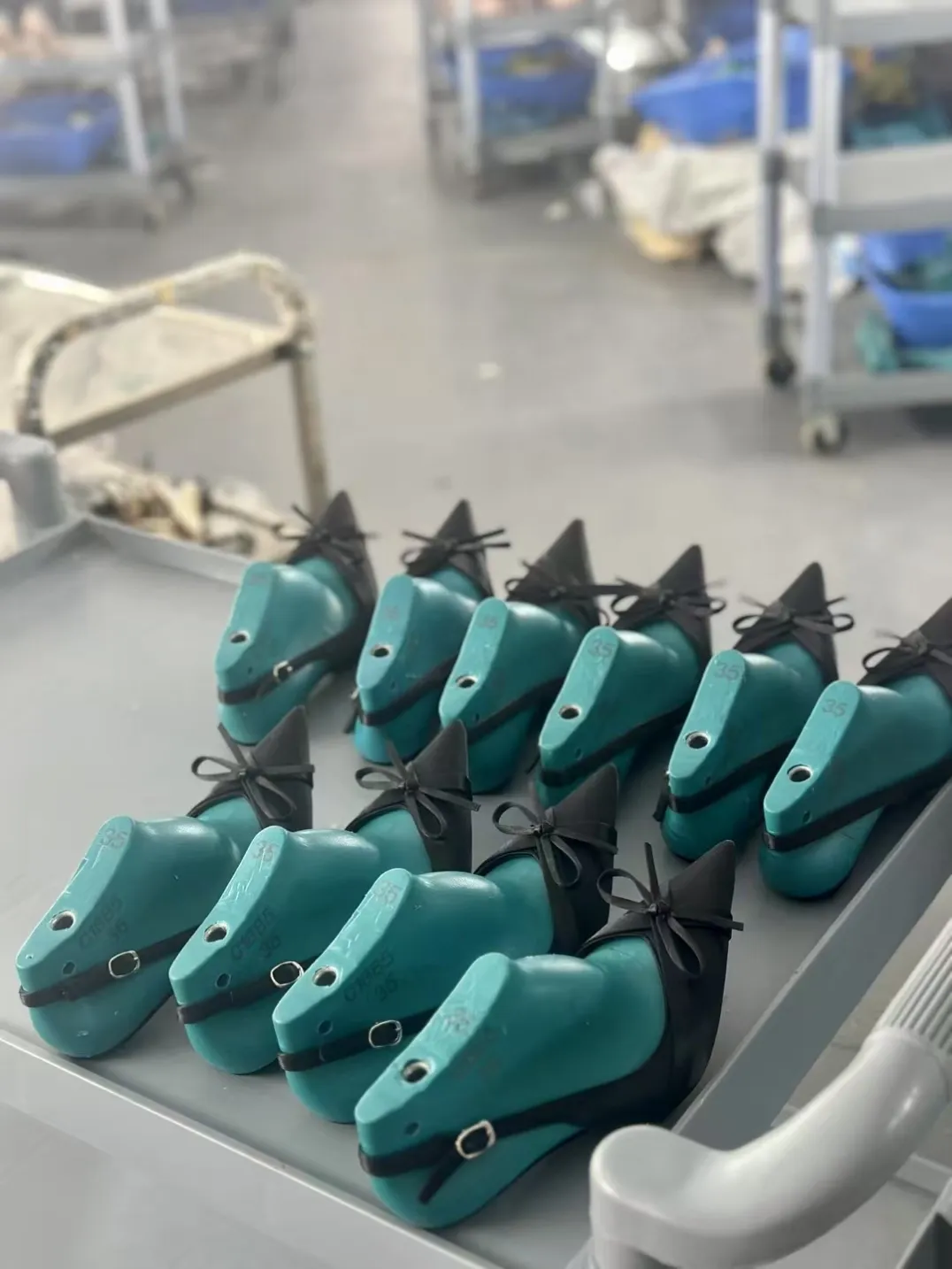
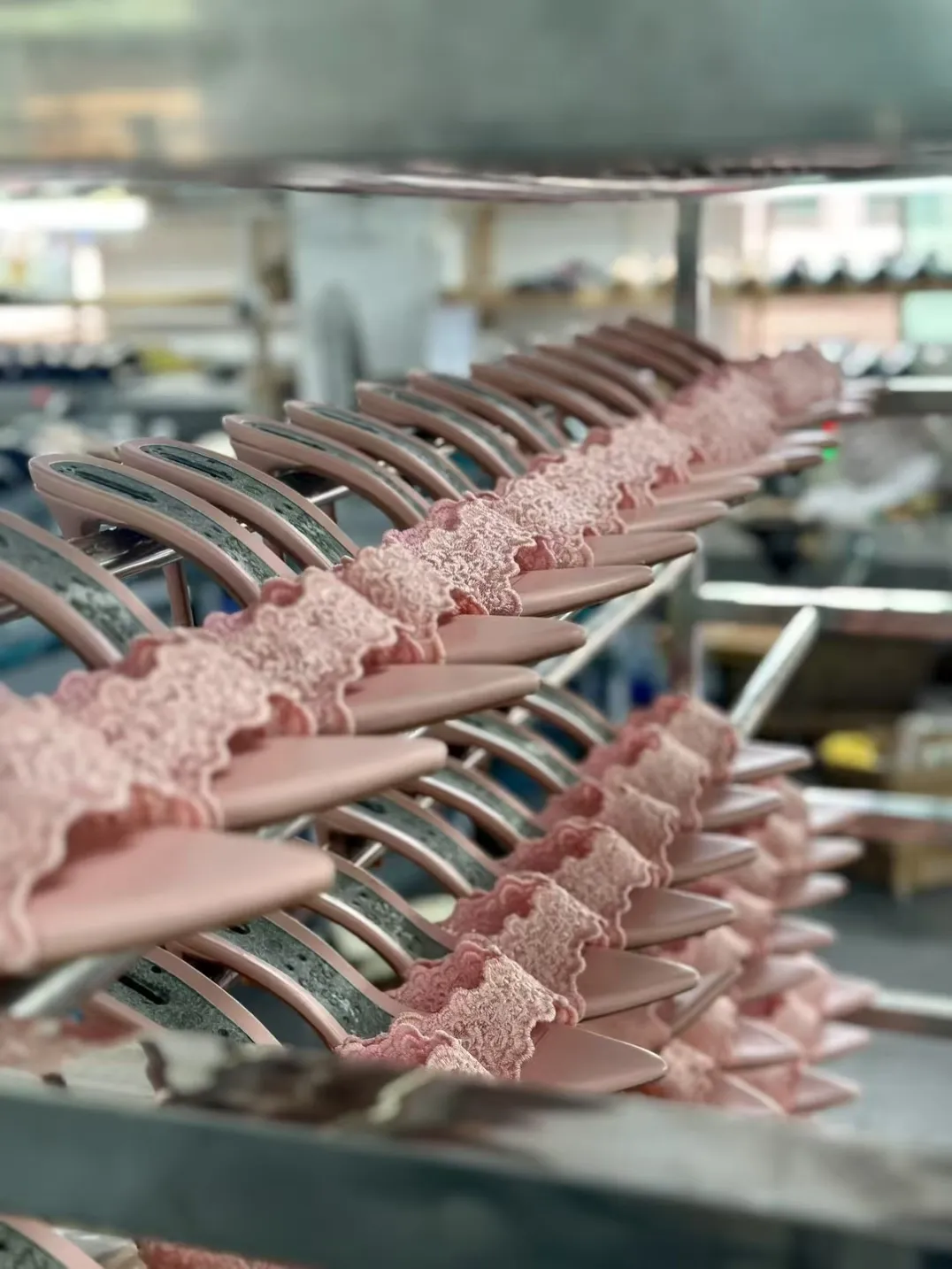
High-Heel Sandal Fit and Construction: A Pre-Production Checklist for Buyers
A practical pre-production checklist for buyers reviewing women’s high-heel sandals, including fit, materials, heel stability, packaging and inspection.
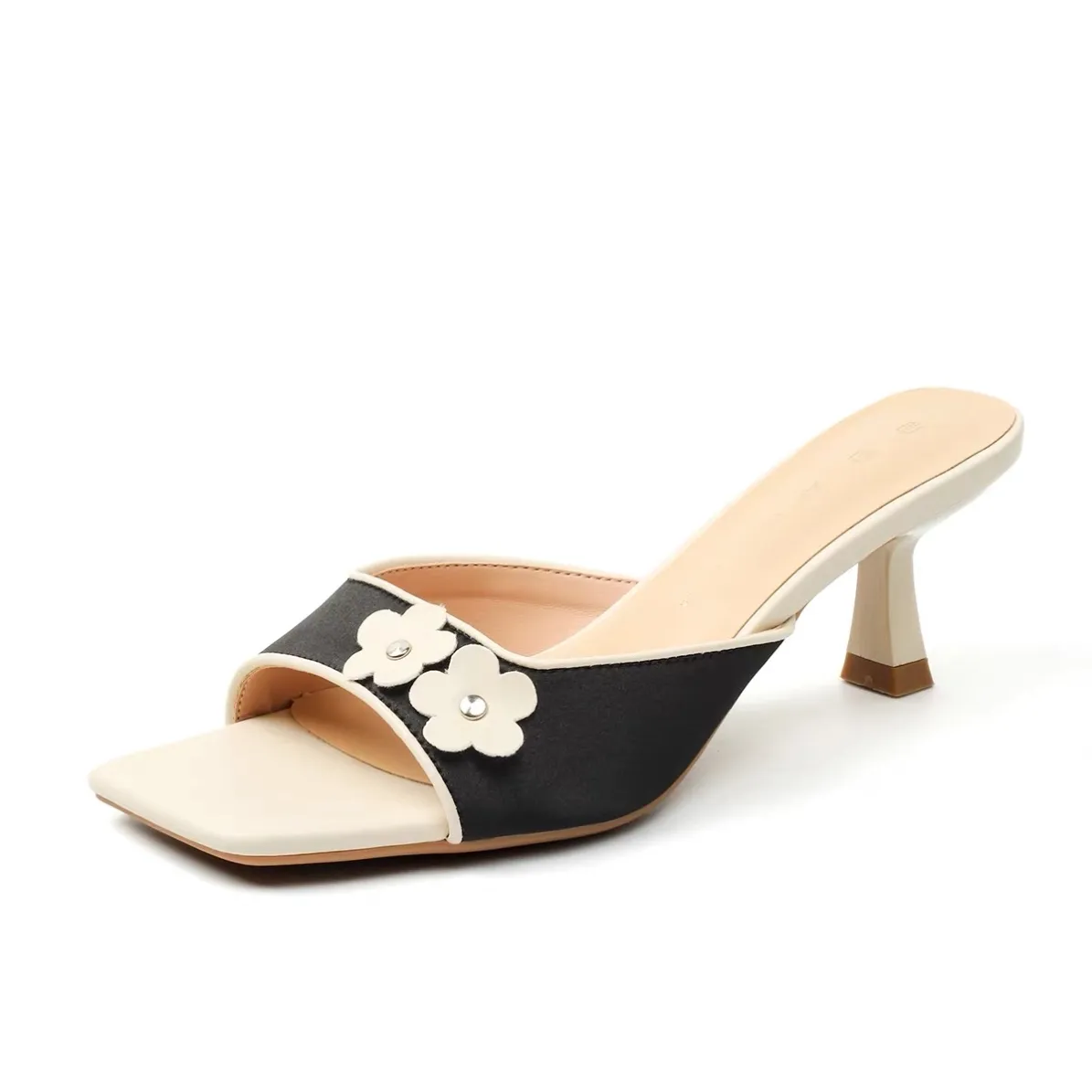
A high-heel sandal can look right in a sample photo and still create problems during production if fit, balance and construction are not confirmed early. Importers, wholesalers, retailers and private-label brands can reduce avoidable revisions by reviewing the points below before approving a bulk order.
1. Confirm the fit brief
Share the target market, size range, foot shape assumptions and intended selling occasion. Confirm the fitting sample size, strap placement, toe shape, topline and usable adjustment range. A complete reference brief helps the development team prepare a more useful first sample.
2. Review the upper and lining
Check the selected upper material, lining, edge finish, stitching and reinforcement. Ask how the material should look after normal wear and whether colour, texture and thickness are consistent across the planned order. For private-label collections, confirm the logo position and packaging requirements at the same time.
3. Check heel balance and stability
Review heel height, heel shape, attachment, outsole contact and the shoe’s balance when standing and walking. The final approval should cover the approved heel, outsole and construction details rather than relying on a product image alone.
4. Test straps and pressure points
Check whether straps hold the foot securely without creating unnecessary pressure. Review buckle position, adjustment holes, lining edges and areas that may rub. Record changes in writing so the next sample can be compared against one agreed set of comments.
5. Confirm the sample and revision process
At Peix Shoes, the sample fee is US$100; after a bulk order, it can be refunded or credited against the order. A first sample typically takes about 10 days when the brief is complete. To keep development efficient, buyers should send one complete design brief and consolidate comments before requesting the next revision.
6. Align branding and packaging
Logo, shoe box and packaging requirements have a minimum of 160 pairs per colour. Confirm artwork, placement, box dimensions, labels, tissue, carton marks and any market-specific packing instructions before production starts.
7. Plan inspection before shipment
Buyers may arrange their own inspection or appoint a third-party inspector. Agree the inspection timing and quality standard in advance, then compare materials, workmanship, sizing, heel attachment, outsole bonding, packaging and carton quantities against the approved sample.
8. Clarify payment and development costs
The standard commercial plan is 60% deposit with the balance before delivery, subject to the final quotation and agreement. Exclusive lasts and moulds can be developed for a buyer, with separate last and mould charges.
9. Protect the design information
Design information can be kept confidential, and an NDA can be signed when required. Share only the files needed for the project and confirm which details must remain exclusive to your program.
10. Send a complete footwear brief
Include the reference image, category, target market, size range, materials, heel height, colours, quantity, logo, packaging and target price. Review the women’s footwear collection, read the custom development process, or contact Vera to discuss the next step.
A structured pre-production review gives buyers a clearer basis for approving the sample, controlling revisions and moving a high-heel sandal program toward bulk production.